Includovate

Media

Who is Includovate, and what impact do we have on the world’s most excluded communities

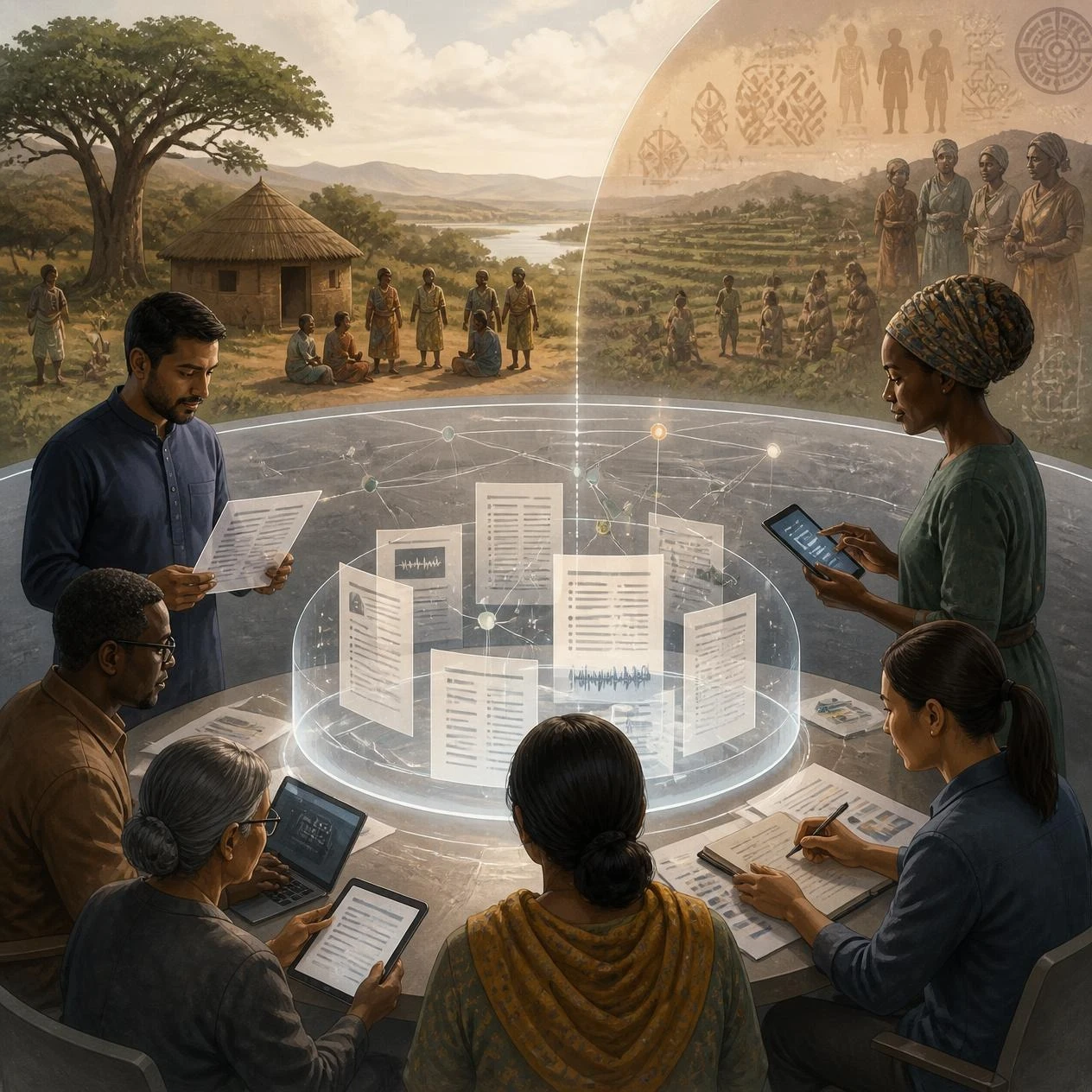
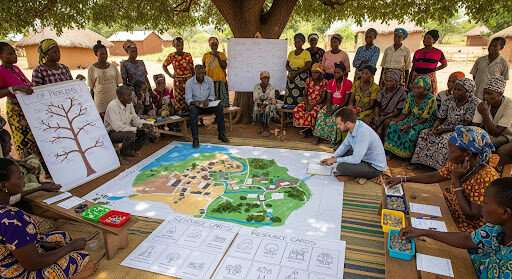
Dr. Kristie Drucza If you care about genuine gender equality, decolonial research, and shifting power to local experts, this blog is for you. Imagine a world where research about women, young people, people with disabilities, Indigenous peoples, and other marginalised groups is actually led by them. Where consulting profits don’t just disappear into overheads, but […]

The Billion‑Dollar Anti‑Gender Movement: Why It Matters for Our Futures

Dr. Kristie Drucza Over the past decade, a well‑organised (but not centralised) “anti‑gender” movement has become a significant global challenge for gender equality, reproductive rights, and LGBTQI rights (Korolczuk et al., 2025; Global Philanthropy Project, 2021). It is already influencing politics, media, and everyday life across Asia‑Pacific, Europe, Latin America, and beyond, reshaping the environments […]

Inclusion won’t go away: why we need Includovate PRO

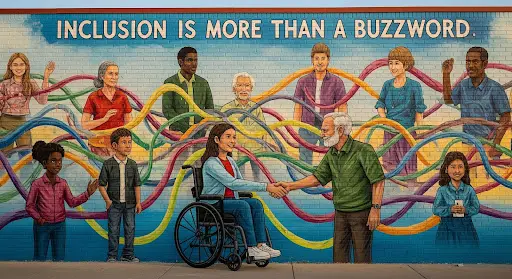
Dr. Kristie Drucza Inclusion is more than a buzzword or a compliance exercise; it is a win‑win strategy that helps organisations perform better and makes work feel fairer, safer and more human for everyone (Diversity Council Australia, 2025). In a world where powerful leaders and anti‑rights movements are rolling back equality, choosing inclusion is both […]

Transformational research starts with inclusive & ethical review boards (IRBs)

By Melissa Langworthy, Andrea Mrazova and Natalia Curbelo Thousands of institutional ethical review boards (IRBs), human research ethics committees (HRECs), and other ethical review institutions operate worldwide. In the United States, over 2,300 IRBs are run by more than 1,800 organisations, with most based in universities. Of those registered with the Office of Human Research […]

Investing in Inclusive Research: How Includovate Empowers Early-Career Researchers and Marginalised Researchers through research incubation

You have heard of business incubators before, but research incubation … that is new. Just like how a business incubator develops business acumen, Includovate develops research competencies through a structured research incubation model. Includovate’s research incubator model Includovate supports early-career researchers and marginalised researchers through an integrated research incubator model that combines training, mentoring, leadership […]

Innovating Inclusion: How Includovate is Changing the Face of Development Research

In the realm of international development and social research, persistent gaps often hinder truly impactful work. Traditional approaches can overlook crucial perspectives, leading to research that is disconnected from the realities it aims to address. At Includovate, we are committed to transforming research practices by actively addressing these critical shortcomings. Here’s how Includovate is making […]

Includovate’s Commitment to Safeguarding: Protecting Every Voice, Everywhere

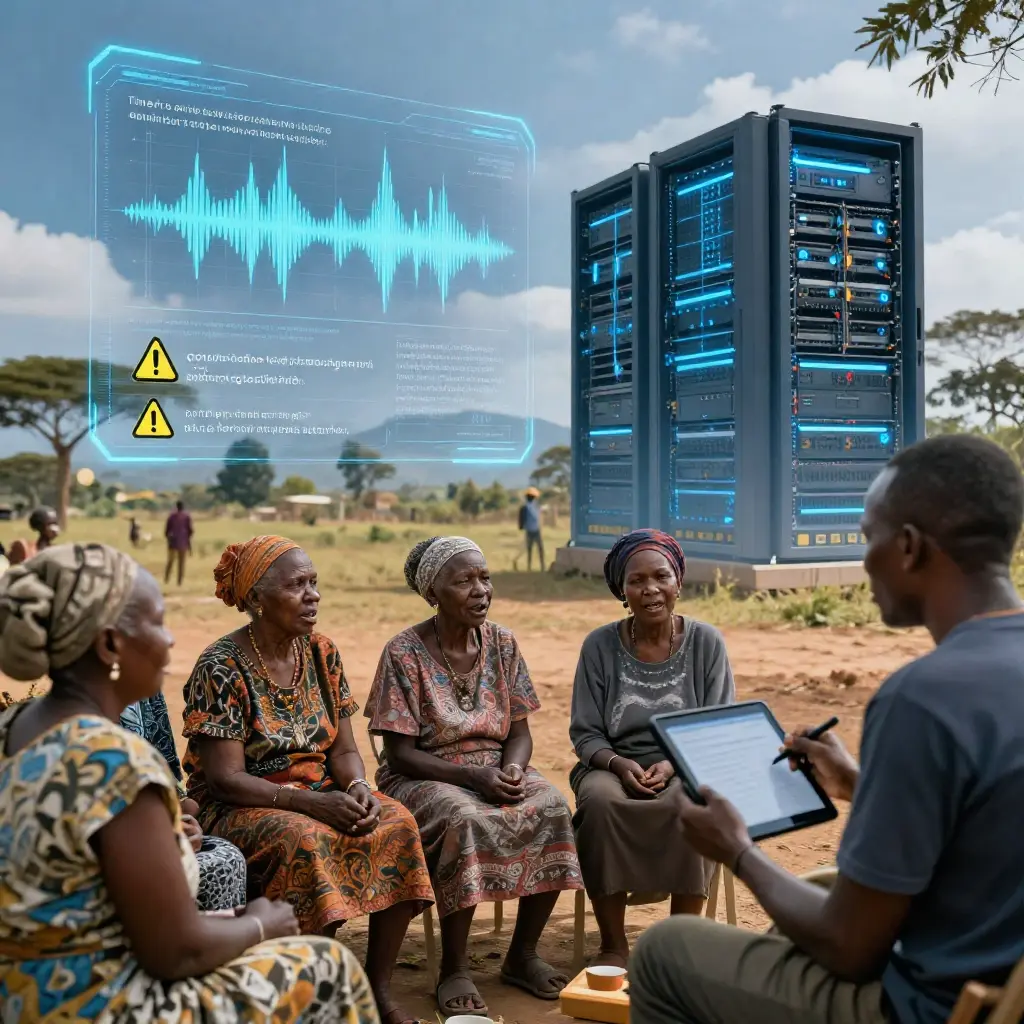
At Includovate,  we believe that safeguarding is not just a policy — it’s a promise. A promise that every person we engage with, especially children and those who are marginalised or excluded, will be protected, respected, and heard. Every day, our researchers and partners enter communities where trust must be earned — sitting with mothers, […]

Wages, Women, and the Pandemic: Cambodia’s Unequal Return on Education

When COVID-19 swept across the globe, its impact stretched far beyond health systems. In Cambodia—a country already grappling with the twin challenges of development and gender inequality—the pandemic struck at the core of progress: education and employment. As schools closed and economies contracted, a pressing question emerged: Does education still protect people from economic hardship? […]

GEDSI Audit or Impact Assessment

In the realm of international development, organisations are increasingly recognising the vital importance of integrating Gender Equality, Disability, and Social Inclusion (GEDSI) principles into their operations and projects. However, a common challenge arises in differentiating between a GEDSI audit and a GEDSI impact assessment. Both are essential for fostering inclusivity, yet they diverge significantly in […]

Amplifying Youth Voices: How Includovate Uses Photovoice to Unveil the Realities of Youth

In a world grappling with complex humanitarian crises, understanding the lived experiences of marginalised communities is paramount. However, traditional research often falls short in capturing these realities. Fortunately, a powerful, participatory method called Photovoice is changing the game. Includovate’s recent work showcases how this innovative approach can: – Empower young refugees to document and share […]

Creating Safer Spaces

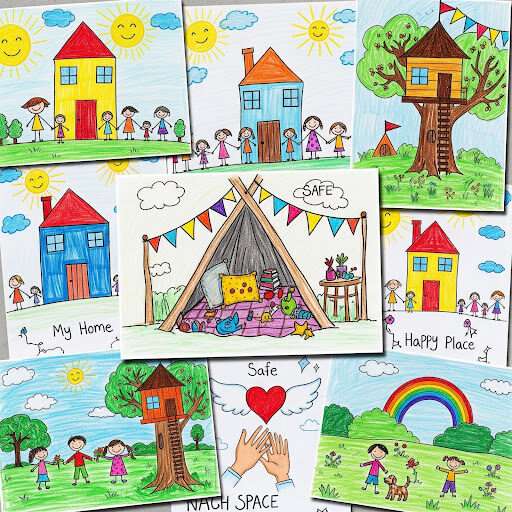
In today’s world, fostering safe spaces for meaningful interaction and collaboration is more important than ever. Psychological safety has become a buzzword and a demand. A safe space provides an environment where individuals can express themselves freely without fear of judgment, criticism, or discrimination. A safe space is more than just a location; it’s a […]

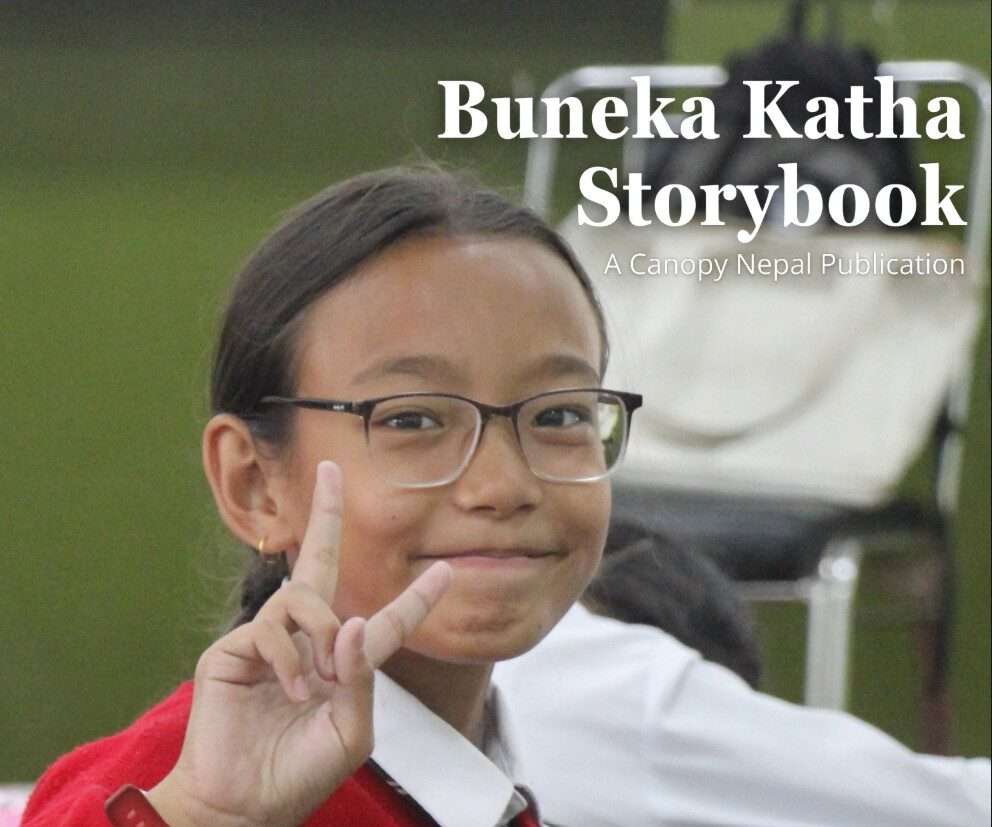
Buneka Katha Storybook
A canopy Nepal Publication

Every child’s voice matters.” This DFAT-funded project is a collaboration between Canopy Nepal and Includovate, as part of the Australian Water Partnership and shows how young storytellers can drive transformative change. Dive into the “Buneka Katha Storybook,” featuring narratives from young Nepali storytellers about their experiences and perspectives on environmental issues, particularly related to the […]

Fiji’s Silent Struggle: Gaps in Sexual and Reproductive Health Rights

Despite the Sustainable Development Goals (SDGs 3.7.1 and 3.7.2) aiming to reduce adolescent fertility and ensure that all women have access to modern methods of contraception, Fiji faces a complex challenge beneath its idyllic surface. The lack of sexual and reproductive health and rights (SRHR) impacts countless Fijians, especially women, youth, and people with disabilities. […]

Building Bridges: How Different Voices Enhance Development Projects

Development isn’t just about building infrastructure or implementing programs; it’s about creating sustainable change that truly benefits communities. And at the heart of successful development lies one crucial element: diverse voices. When we listen to and incorporate the perspectives of everyone, especially those often marginalised, projects become richer, more effective, and genuinely impactful. Think about […]

How is Includovate different to large consulting firms that work in research for development (R4D)?

Includovate is a systems change research incubator. Like a business incubator that grows businesses, we develop research talent across low- and middle-income countries. Includovate’s methodology challenges traditional research assumptions by adopting feminist, inclusive, and participatory approaches that critically interrogate implicit biases and systemic inequities. Here are the key ways it does so: 1. Interrogating Traditional […]

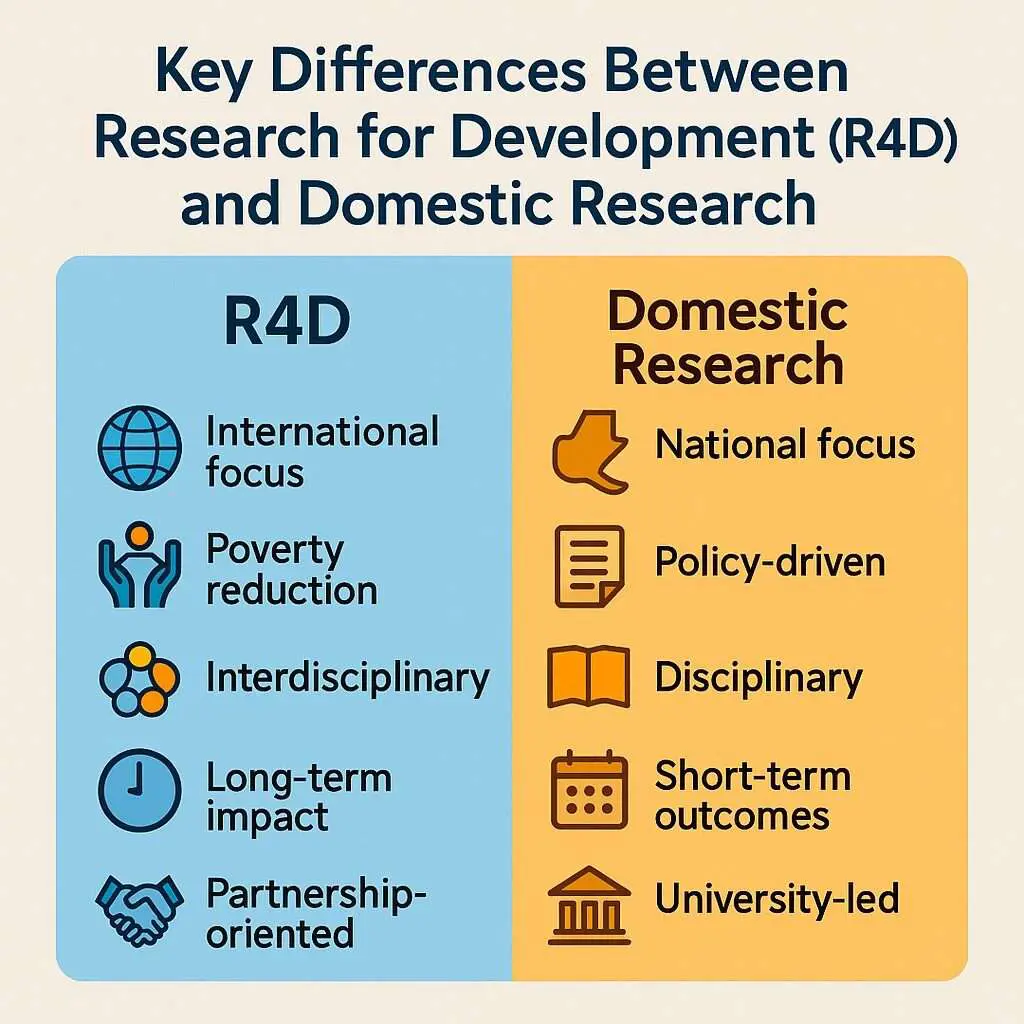
Key Differences Between Research for Development (R4D) and Domestic Research

Includovate has an ethical review board specialising in Research for Development (often abbreviated as R4D). Includovate is often asked why an ethical review board is needed to specialise in R4D when there are many domestic IRBs based inside universities or government departments. Although both share core research methodologies, R4D and domestic research can differ in […]

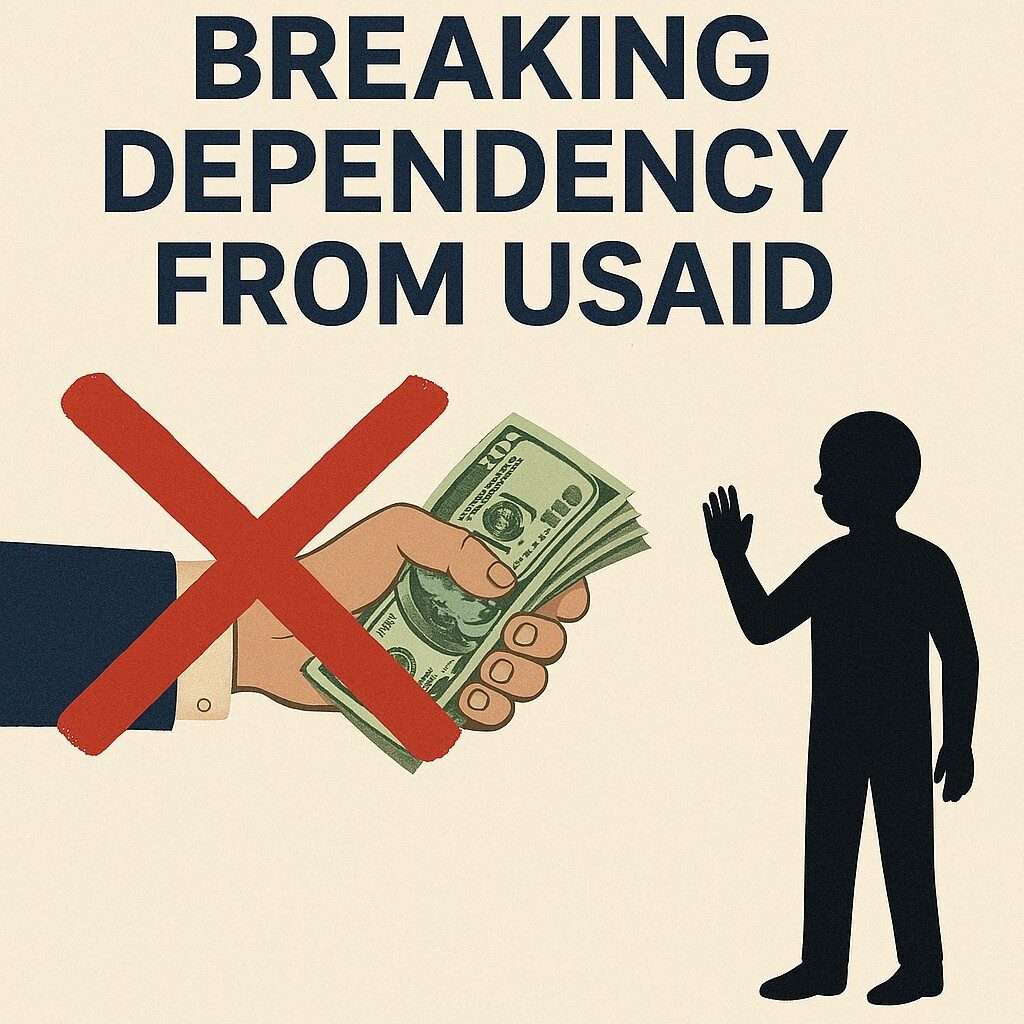
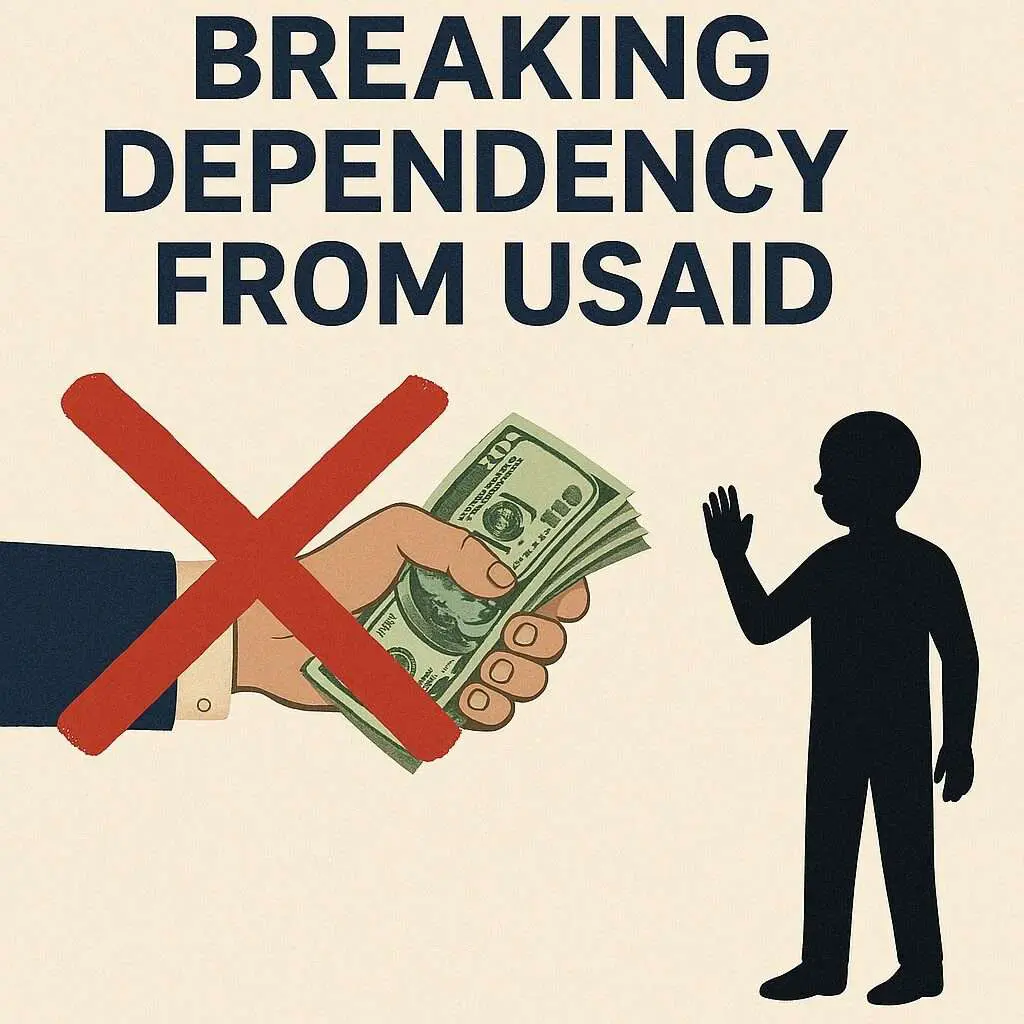
Reflect, Learn, and Act: Breaking Dependency to USAID

Reflect, Learn, and Act. Breaking Dependency on USAID Insights from Our Recent Webinar – The Future of Aid and Inclusive Leadership After decades of aid from the U.S. Agency for International Development (USAID) to several countries to support humanitarian work, the State Department announced on March 28th, 2025 that it was officially shutting down USAID—what many consider […]

Feminism(s) are Plural: Imagining Feminist Future Together

By: Dr. Gisela Carrasco-Miró – Principal Researcher in Gender Equality and Social Inclusion (GESI) Feminism is not just a set of ideas or a point of view; it is a political practice—a movement with the power to transform the world. Feminism reimagines the future. But what does this mean in practice? Are feminist futures possible? […]

The Eternal Race: A Journey of Love in 2025

By: Kashaf Alvi – Includovate’s Ambassador What if the ultimate prize in life isn’t victory over others, but the victory of love, unity, and inclusion? What if the race is not about who finishes first, but about crossing the finish line together, in solidarity, with everyone’s hand in the air, rejoicing in the shared triumph […]

Lights, Camera, Inclusion: Rewriting Hollywood’s Disability Narrative

By: Kashaf Alvi – Includovate’s Ambassador Hollywood’s idea of disability is like a broken pencil—pointless and in desperate need of a sharp new perspective. For too long, disabled characters have been boxed into damaging stereotypes—villains or objects of pity. Hollywood’s portrayal of disabled characters has long been trapped in stereotypes, casting them as villains or […]

Meet the changemakers : Natalia Pastori Cubelo

By Natalia Pastori Cubelo – Senior Associate Researcher at Includovate  Natalia Pastori Curbelo is an Associate Researcher at Includovate originally from Uruguay but currently living in Brazil. Natalia’s journey speaks into the lives of not only researchers but also anyone looking to advance their careers in fields that are new to them. She introduces us […]

Gen Z Mentality: Diversity Drives Innovation

By: Rawiah F. Naoum – DEI Programs Manager at Includovate  In this fast-changing world, innovation is critical to the success of organisations. With the generation of “Gen Z” obsessed with technology and considered the tech-savvy and purpose-driven generation joining the workforce, it’s more crucial than ever for companies to adapt to their needs. According to […]

Understanding HREC and IRB Approval Processes: What You Need to Know

By: Inclduovate Team As researchers in the development space, we’re all too familiar with the critical role that ethical considerations play in our work. Whether you’re conducting clinical trials, interviews, surveys, or behavioural studies, navigating the landscape of Human Research Ethics Committees (HRECs) and Institutional Review Boards (IRBs) is an essential part of our research […]

Beyond Boundaries: Unpaid Care Work and Its Impact on Women, Including Those with Disabilities

By: Tsion Molla from Addis Powerhouse, Dr. Konjit Hailu from Includovate, Florence Ndagire from Includovate, and Dr. Shadia Nassar from Includovate. This blog explores the meaning of unpaid care work and its impact on women generally and women with disabilities. It highlights the intersectionality of women and unpaid care work, the influence of policies on […]

Impact Evaluation through Outcome Harvesting: A Closer Look at the Methodology

By: Dr. Shadia Nassar –  Principle Researcher (Evaluation) Outcome Harvesting is an evaluation approach that allows us to retrospectively identify emergent impact by collecting examples of what has changed in “behaviour writ large” (actions, relationships, policies, practices) and then work backwards to determine whether, and how an intervention has contributed to these changes. Some people may ask, […]

Localisation in the monitoring and evaluation field: the role of small and local firms

By: Natalia Pastori Curbelo– Senior Associate Researcher Localisation has been a prominent topic of discussion since 2016. But what does it mean, and why should we care? This blog explores these questions, highlighting how small, local evaluation firms can be crucial in advancing the localisation agenda. Understanding localisation Localisation has been at the forefront of […]

Words Matter: The Power of Language in Respecting People with Disabilities

By: Kashaf Alvi – Includovate’s Ambassador  Language shapes our reality. The words we choose have the power to build bridges or create barriers, to uplift or to diminish. This is especially true when it comes to how we speak about people with disabilities. Phrases like “falling on deaf ears” or “wheelchair-bound” may seem harmless to some, but […]

Embracing Differences: Exploring Diversity of disability in religion

By: Florence Ndagire – Includovate/ Senior Disability Researcher Introduction  This blog is a result of the webinar on Disability and Religion on March 19th 2024. Cultural norms, traditions, values, and religion have a role to play in promoting the diversity that disability brings to religion and analyses the exclusion and inclusion of persons with disabilities in […]

Mind Mapping: Tracing the Evolution of Causal Mapping from Cognitive Psychology to Research

By: Shadia Nassar – Includovate/ Principal Researcher Mind/cognitive mapping has been a central endeavour in psychology, as researchers seek to understand the complex workings of the human brain and how we make sense of the world around us. Tolman originally defined the cognitive map as an internal representation of a specific spatial area; the term has broadened […]

Contribution Analysis: A Deep Dive into Research and Evaluation

By: Shadia Nassar – Includovate/ Principal Researcher In the previous blog, we delved into the causal analysis research method, which involves identifying cause-and-effect relationships between variables to understand the factors that lead to a specific outcome. Building on this concept, our focus in this blog will be on contribution analysis, a complementary research method that […]

A Time for Change in International Development? Exploring New Approaches to International Cooperation

By Andrea Mrazova – Associate Researcher at Includovate The global protests following the killing of George Floyd and the Diversity, Equality and Inclusion (DEI) movement demonstrate the widespread awareness of inequity and a willingness to do something for equality. The principles of anti-racism are being incorporated into development aid, with increasing efforts to “shift the […]

Breaking Barriers: The Impact of Persons with Disabilities on Inclusive Research and Scholarship

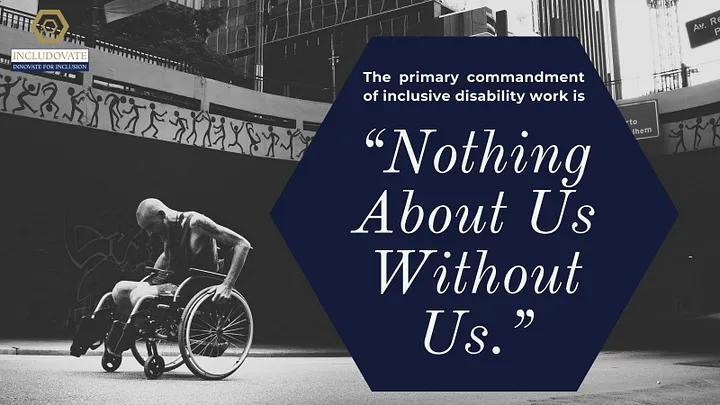
By: Florence Ndagire – Senior Disability Researcher The motto “Nothing for us without us” was introduced by the disability movement and the principle of “leaving no one behind” was adopted by the sustainable development goals. It is a call to action to promote and support disability-inclusive research by recognising the contribution of persons with disabilities […]

Kept Inside the Box: How Not to Practice Disability Mainstreaming in Sdg Reporting

  By Benedikt van den Boom The Sustainable Development Goals (SDGs) are a good example of a framework that practices disability mainstreaming. The SDGs reference disability throughout, be it in the context of inclusive education, accessible urban infrastructure, or disaggregated data. Development that aspires to be sustainable and rights-based must consider people with disabilities in […]

Ethics in Action: Youth Pioneers Shaping the Future of Research

By Natalia Pastori Curbelo and Dr. Kristie Drucza Introduction Includovate is committed to fostering youth-led research and evaluations. It is critical to establish ethical guidelines in these cases to ensure a promising future for both youth researchers and participants. The primary goal should be to safeguard the well-being and protection of all individuals involved while […]

Balancing Empowerment and Ethics: Youth Led-Research Dilemmas

By: Natalia Pastori Curbelo, Dr. ShadiaNassar and Dr. Kristie Drucza This blog is part 2 of Includovate’s youth-led research series and explains why it is crucial to give special attention to capacity building and self-awareness in research, especially youth-led research. Introduction Ensuring that youth are involved in research about them is crucial for accurately representing […]

What is Youth-led research?

By: Natalia Pastori Curbelo and Dr. Shadia Nassar   Introduction This blog marks the first instalment in a three-part series that explores youth-led research. The role of youth-driven initiatives in amplifying the voices of young individuals and enabling them to contribute to knowledge generation is undeniably significant. The projects below offer unique insights into the […]

Sustainable Approaches to DEI

By Rawiah F. Naoum Includovate, a leading DEI research organisation, recognises the value of treating DEI as an ongoing commitment rather than a temporary initiative. We collaborate with organisations to underscore the significance of continuous development and advancement in their DEI endeavours, cultivating a culture of meaningful inclusivity and diversity.  Photo by Nathan Dumlao on […]

Diversity, Equity, and Inclusion (DEI): A Frustrating Reality for DEI Professionals

By Rawiah F. Naoum and Kristie Drucza Introduction The significance of diversity, equity, and inclusion (DEI) in the workplace has gained considerable traction recently. Many organisations from various sectors have recognised the value of promoting inclusive environments that embrace diversity and provide equitable employee opportunities. This has increased the demand for Chief Diversity Officers (CDO). […]

Addressing Gender-Based Violence in Agrifood Systems: A Reflection

By Shadia Nassar, Includovate Principal Researcher (Evaluation)   Welcome to our blog dedicated to shedding light on one of the most pressing issues of our time gender-based violence (GBV) in the agrifood system, which was the main topic discussed in the virtual webinar Breaking the Silence – Addressing sexual harassment and other forms of gender-based violence […]

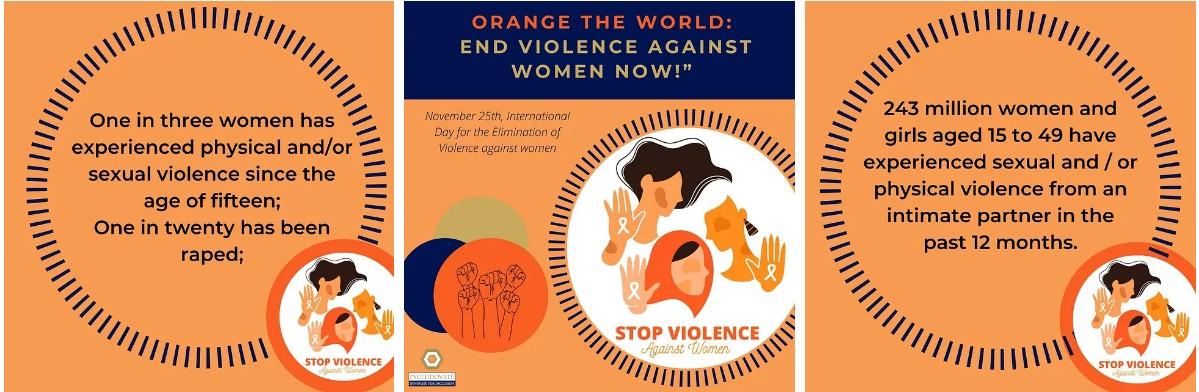
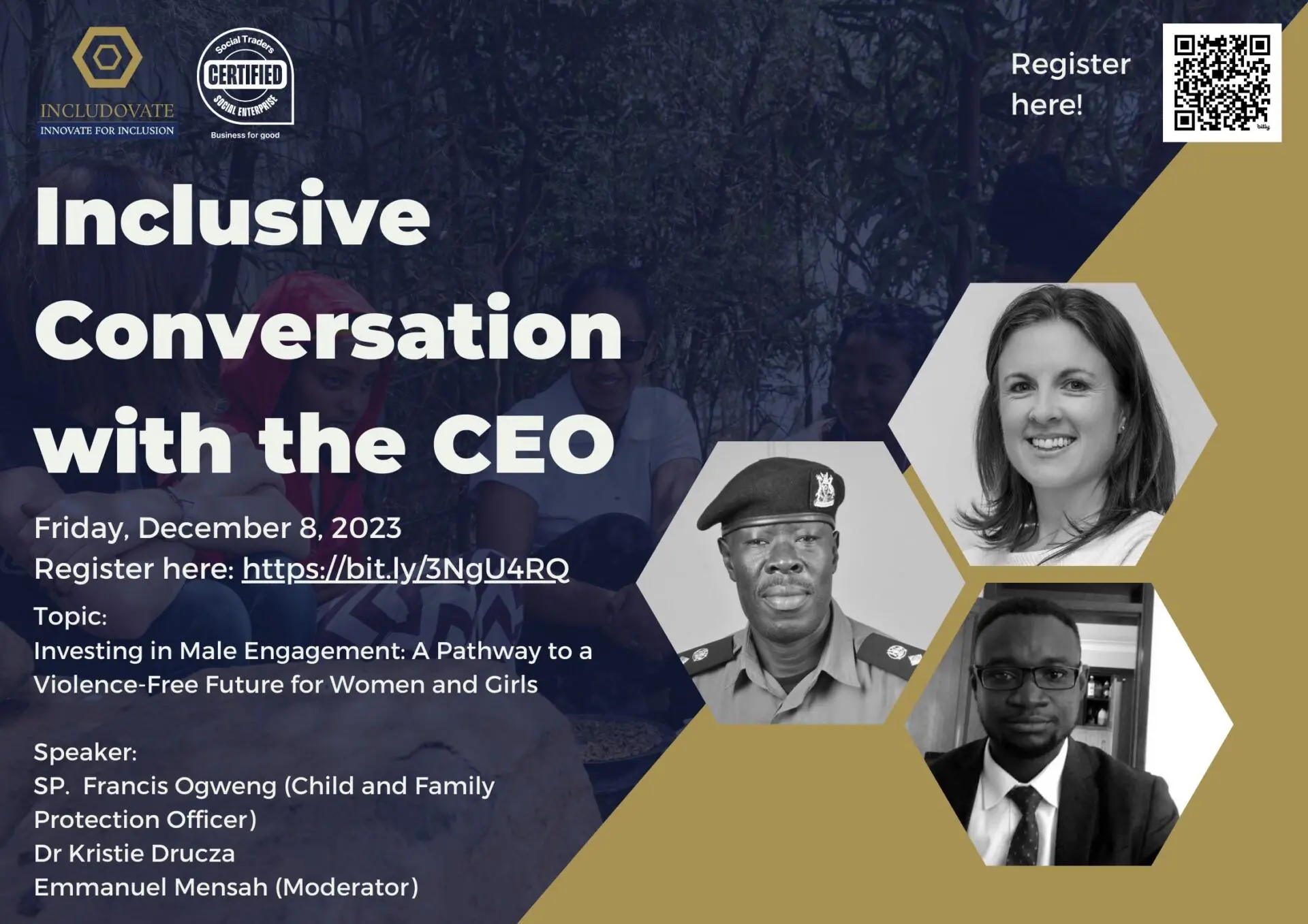
Investing in Male Engagement: A Pathway to a Violence-Free Future for Women and Girls

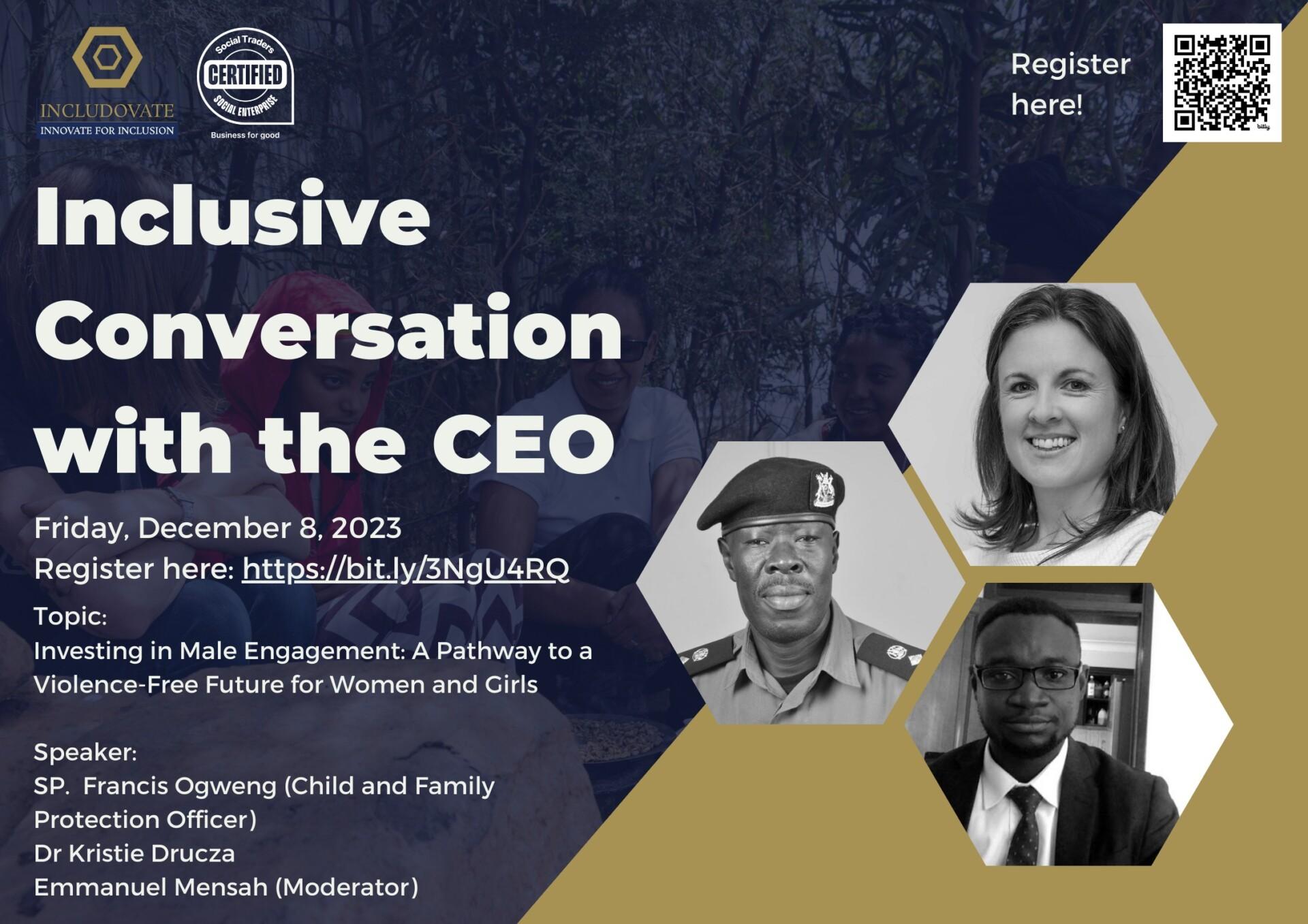
Inclusive Conversation with the CEO Investing in Male Engagement: A Pathway to a Violence-Free Future for Women and Girls Join us for an enlightening webinar on “Investing in Male Engagement: A Pathway to a Violence-Free Future for Women and Girls,” featuring Dr. Kristie Drucza, CEO & Founder of Includovate, and Superintendent of Police (SP) Francis […]

Why Work With Boys and Men to End Violence Against Girls and Women?

By Emmanuel Kodwo Mensah, Senior Associate Researcher, Includovate and a member of the Uganda Ministry of Health’s Technical Working Group on Male Engagement   “Achieving gender equality is recognised as a societal responsibility that concerns and should fully engage men and as well as women and girls and requires partnerships between women and men”. Commission on […]

Inclusive Communications and Inclusive Development — A Paradigm Shift in the Making

By Kristie Drucza As a CEO I rarely find the time to attend webinars but with all the fake news surrounding Israel and Gaza, this one caught my eye: “The Truth is in the Telling: Shifting the Power in Communications” (See #GlobalPerspectives2023 #EthicalStorytelling #shiftingPower #InclusiveNarratives). The webinar asked some thought-provoking questions: What change potential does […]

Feminist Series — Challenging the Re-definition of Feminism

By Ethiopia Lemma Yemiru “My name is Ethiopia and I am from Ethiopia,” was my commonly used icebreaker when I met people as an international student doing my undergraduate in the US. Since I have been back to Ethiopia after graduating with a double major in Gender & Women Studies and Psychology, I have been […]

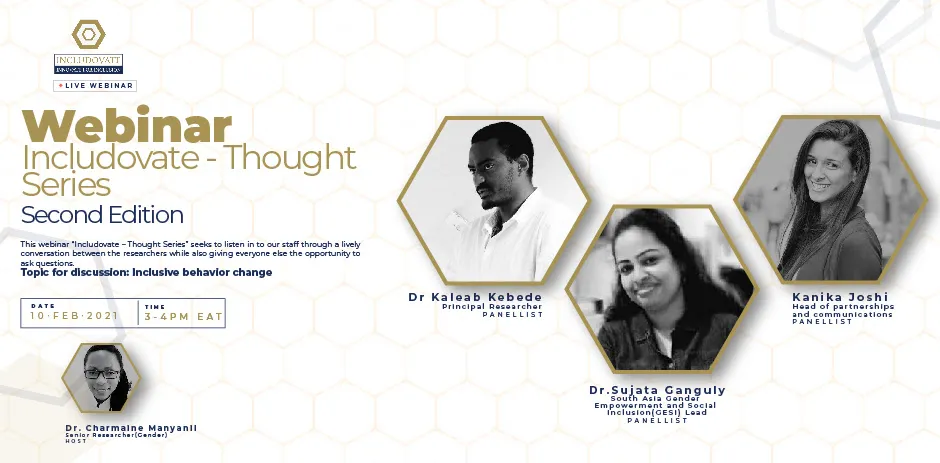
Thought Series Second Edition — 5. Inclusive Behaviour Change

Host: Dr. Charmaine Manyani Panelists: Dr. Sujata Ganguly, Kanika Joshi, Dr. Kaleab Kebede Haile 10 February 2021 Background In the first four Thought Series sessions, Includovate researchers looked at and discussed the different aspects of social inclusion, such as youth inclusion, social services, and inclusive governance. This fifth webinar put inclusive behaviour change on the table to […]

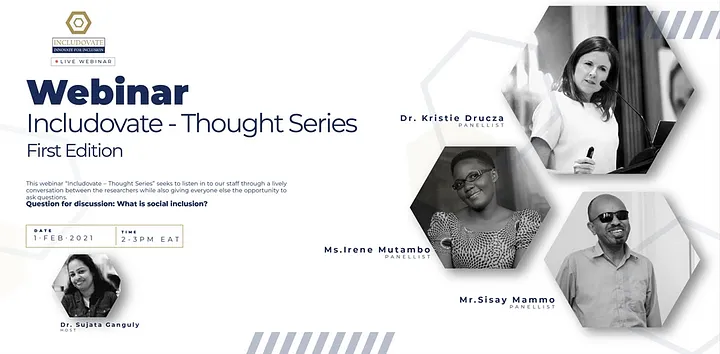
Thought Series First Edition — 2. What is Social Inclusion?

Host: Dr Sujata Ganguly Panelists: Dr Kristie Drucza, Ms. Irene Mutambo, Mr Sisay Mammo 1 February 2021 Background The second phase of Includovate’s “Thought Series” for discussing and reflecting on the work Includovate does was held on 1st February 2021, the subject is determined as “What is Social Inclusion”. This webinar was hosted by Dr. Sujata Ganguly, […]

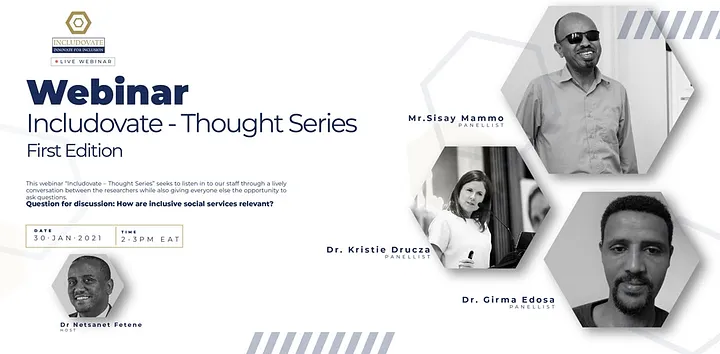
Thought Series First Edition — 1. How are Inclusive Social Services Relevant?

Host: Dr Netsanet Fetene Panelists: Mr Sisay Mammo, Dr Kristie Drucza, Dr Girma Hundessa 30 January 2021 Background Social inclusion is one of the most important topics in today’s world. As a social enterprise, Includovate aims to view and discuss different approaches to this issue. With this aim, we designed and hosted the first series of “Thought […]

Building digital bridges: Plan Ceibal in Uruguay

By Natalia Pastori Curbelo Education in Latin America was severely impacted by the COVID-19 pandemic, with the region having one of the most prolonged closings of schools on a global scale. The need to continue with students’ learning processes posed a critical challenge and led to a rapid shift within the traditional “in-person learning” education […]

There Is No One-Size-Fits-All Approach to the Mental Health of Refugee Children

By Yume Tamiya, Associate Researcher (Inclusive Migration Node) Children comprise approximately half of the world’s refugee population [1], and the mental health of refugee children is a significant humanitarian concern. However, this issue is largely overlooked given that little research has been done to understand how trauma affects refugee children in different cultural contexts [1][2]. […]

Can multi-country dialogue and National Evaluation policies contribute to inclusive evaluations?

By Nancy Muthee,  Researcher, Inclusive Evaluation at Includovate There has been a lack of open dialogue on evaluations and the varying power dynamics that surround Monitoring and Evaluations (M&E). With the increased recognition of M&E’s role in responsible governments, good governance, and evidence-based policies, there is a need for more open discussions on aspects that […]

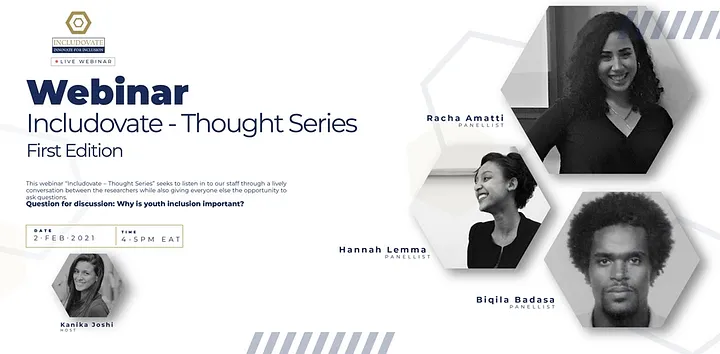
Thought Series First Edition — 3. Why is Youth Inclusion Important?

Host: Kanika Joshi Panelists: Racha Amatti, Hannah Lemma, Biqila Hirpa 2 February 2021 Background Why is Youth Inclusion Important? Inclusion is a controversial issue by itself. After Ban Ki Moon declared “Leave no one behind,” inclusion became a developmental buzzword. As has been mentioned previously by Dr. Kristie Drucza, many who discuss inclusion skip over its complexity, […]

“Criminalising Disability” — A Focus on Accessibility at the 26th UN Climate Change Conference of Parties (COP26)

By Christine Peta Disability was thrust into the limelight at the recently completed 26th UN Climate Change Conference of the Parties (COP26), hosted by the UK in Glasgow, Scotland from 31 October to 12 November 2021. Questions around disability that come to mind may include: “How could disability feature prominently at a UN World Conference whose focus was […]

Myths of Migration From the Horn of Africa to Europe and Europe’s Response to Migrants

By Genet Getachew and Mekdes Besha Human migration involves the movement of people from one place to another with the intention of settling, permanently or temporarily at a new location. In most cases people regularly or irregularly migrate aspiring to find a better life. The Horn of Africa (HOA) is among the major sources of […]

Legal Empowerment of Children with Disabilities in South East Asia and Pacific Region

By James McDougall Includovate is working on a project for the UNICEF East Asia and the Pacific Regional Office (UNICEF EAPRO) which aims to strengthen the capacity of Organisations of Persons with Disabilities (OPDs) to support children with disabilities to claim their rights. Since the historic development of the United Nations Convention on the Rights […]

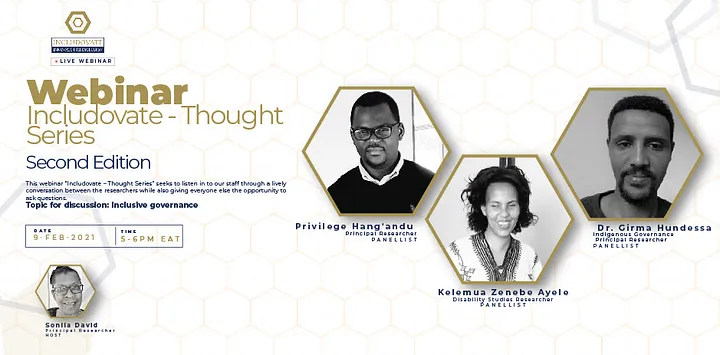
Thought Series Second Edition — 4. Inclusive Governance

Host: Soniia David Panelists: Dr Girma Hundessa, Kelemua Zenebe Ayele, Dr. Privilege Hang’andu 9 February 2021 Background Inclusive governance is critical for all challenges facing society, whether climate change, violence, or natural resource management. Governance is the way rules, norms, and actions are structured, sustained, regulated, and held accountable. Governance is inclusive when it effectively serves and […]

A Glimpse into Equity in Evaluation Practice: GENSA Turns One

By Shreya Agarwal The Gender and Equity Network South Asia (GENSA) is a special interest group of the Community of Evaluators — South Asia (COE-SA). GENSA provides aspiring researchers, knowledge seekers, and others a platform to learn from and collaborate with experts and professionals from South Asian countries in the field of gender equity and […]

Feminist Series — Knocking down barriers

By Yume Tamiya My encounters with injustice during my childhood became traumatic. However, this experience has equipped me with strong empathy towards others in need, which is what keeps me moving towards ending social inequality and injustice. I have faced significant obstacles in life. One of them is that I have post-traumatic stress disorder (PTSD) […]

Feminist Series — They Named Me Ramya

They named me Ramya… My parents named me Ramya, 45 years back, when I was born on an early Saturday evening. My friends and colleagues know me as somebody who is hard-working, loyal, and reliable. One of my areas of interest and strength has always been Project Management as well as project monitoring and evaluation. […]

Feminist Series — Feminism in the Eyes of a Young Ethiopian

By Robel Alemseged My name is Robel Alemseged. I am 27 years old, and like everyone else, I am a product of my experiences. I believe the past is pivotal to making us the person we are today. I was born and raised in Addis Ababa. Growing up in the capital city of Ethiopia, I […]

Aggregate Economic Shocks and Expediting Gender Equality

By: Kaleab K. Haile This blog argues that more empirical investigations on the effect of aggregate economic shocks on household investments in boy and girl child human capital development in the SSA context is needed. This data can help to prioritise disaster responses that mitigate gender biases and, in turn, alleviate gender inequality in human […]

Ugandan Court Ruling: A glimmer of hope for children with Autism Spectrum Disorder (ASD)

By Emmanuel, Adetokunbo, and Kristie Introduction Autism is often known as Autism Spectrum Disorder (ASD), a broad terminology for a range of diseases involving brain development that has lifelong consequences (WHO, 2022). It may appear in early childhood or later in adulthood and is often marked by communication and social skills difficulties. Children on the […]

To All African Mothers: You Can Do Both, Motherhood and Following Your Dreams!

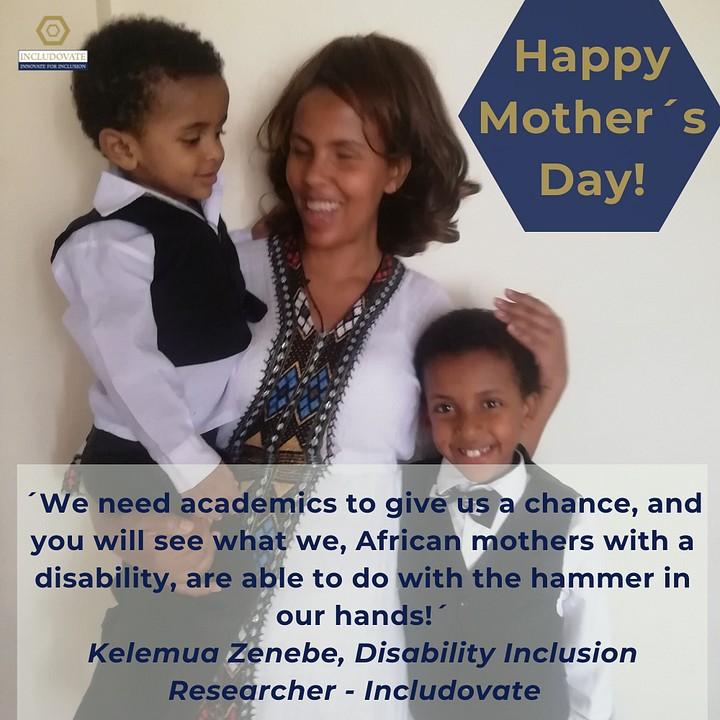
By Kelemua Zenebe It is not easy to be a woman with a disability here in Africa, simply because some opportunities might not be accessible to you! As a blind working mother in Ethiopia, let me tell you: “You can do both; Motherhood and successfully following your dreams.” My name is Kelemua, and I am […]

Hidden Effects of a Pandemic: Orphanhood from COVID-19 in Sub-Saharan Africa

by Yume Tamiya, Associate Researcher Since the onset of the pandemic, approximately 50 million people in Sub-Saharan Africa have been pushed into extreme poverty, a majority of whom comprise children [13]. There is a strong correlation between high poverty and high COVID-19 mortality [14]. Children in low-income communities in the region are especially at a […]

Feminist Series—A Humble Man Discovers Feminism

By Girma Edosa My name is Girma H. Edosa and I am 42 years old. I received my PhD in Social Anthropology from Addis Ababa University in 2018. Based in Ethiopia, I work as a feminist and governance researcher at Includovate (Innovate for Inclusion). I take care of people, including my two baby boys, a […]

Rethinking post-COVID inclusive educational mechanisms in Uganda

By Irene Nabwire Globally, there are about 150 million children with disabilities below the age of 14 (UNICEF, 2013). Even before the COVID-19 pandemic, education enrolment for children with disabilities was extremely low as compared to children without disabilities. Thus, 65 million disabled learners of primary and lower secondary school age in developing countries were already […]

Feminist Series — Overcoming the Odds

By Izolda Matevosyan I am myself — Izolda: a woman, mum, business development consultant in Yerevan, Armenia. I am a human being, a dreamer; a person who loves this life. I started school in Armenia earlier than others and graduated with honours. Since my school years were during a post-war era, there were not many extracurricular […]

Feminist Series — Good Fight

by Manon Koningstein My name is Manon and I work as a Communications Associate at Includovate. Born in the Netherlands, I have lived in Latin America throughout my twenties and am currently living in Southern Spain. I finished a Bachelor’s degree in International Business Communications in the Netherlands, and have a European Master Degree in […]
International Day of Persons with Disabilities (2021) — Reflections on the Intersection of Disability and COVID-19

By Christine Peta The International Day of Persons with Disabilities is a United Nations-led day of recognition that takes place every year on 3 December. As we commemorate the day this year under the theme of “Leadership and Participation of Persons with Disabilities towards an Inclusive, Accessible and Sustainable post-COVID-19 World, we take this opportunity to share the […]

Six Reasons Social Scientists Should Be Using Open Access

What is Open Access? Open access is a publishing model for scholarly communication that makes research information available to readers at no cost. This model contrasts with the traditional subscription model where readers access scholarly articles by paying a subscription (usually via libraries or academic institutions). The primary objective of open access is to increase […]

The Process and Benefits of Conducting a Scientific Literature Review (SLR)

By Mahider My name is Mahider, and I’m a researcher at Includovate. I’m based in Ethiopia and this is my first time working for an international research incubator. Includovate has a growth mindset and there are always training opportunities and a ‘learning by doing’ culture. I’ve conducted literature reviews before, but never been formally taught […]
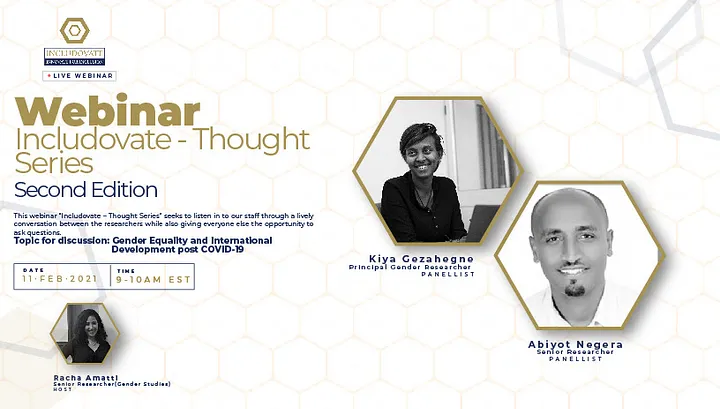
Thought Series Second Edition — 6. Gender equality and international development post-COVID-19

Host: Racha Ammati Panelists: Kiya Gezahegne, Abiyot Negera 11 February 2021 Background The first five webinars of Includovate’s “Thought Series” have looked at different aspects of social inclusion. This sixth and last episode focused on a much more specific issue, which is the status of inclusion as it relates to gender equality and international development post-COVID-19. The […]
Feminist Series — I am Camille.

I am Camille from Manilla, Philippines. The youngest of 7 siblings, I grew up in Lagos, Nigeria as my parents were assigned there for 18 years as physicians. I must say that my way of thinking was greatly influenced by my dad, the late Dr. Jesus R. Duque Jr. I remember my dad as a […]

The Role of Research in Making Visible Violence Against Women with Disabilities in Ethiopia

By Dr Melissa Langworthy In Ethiopia, gender-based violence (GBV), particularly against women with disabilities, has been exacerbated not only by restrictions imposed due to the COVID-19 pandemic, but also by multiple recent ethnic conflicts and national disasters. In a recent briefing by the Prime Minister Dr Abiy Ahmed in November 2020 he estimates that Ethiopia […]

How to Revolutionise Disability Research? Advancing a Participatory Disability Research Approach

By Priva Since the adoption of the United Nations Convention on the Rights of Persons with Disabilities (CRPD) in 2006, the world has grappled with the idea of disability-inclusive development. Indeed, much progress has been made in the replacement of the charity[1] and medical[2] models of disability with the social[3] model. According to the social model, persons with disabilities […]

Preferred Pronouns

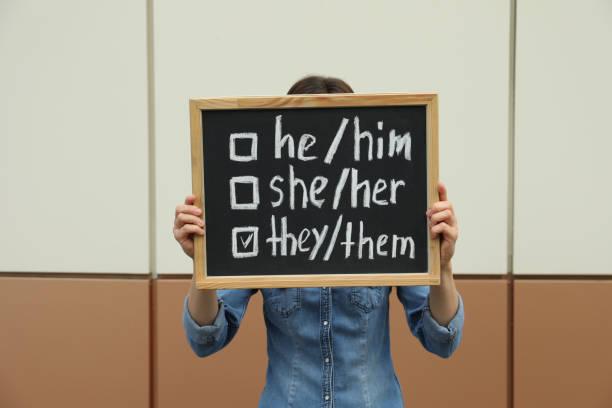
By Mariette Correa The first time I came across preferred pronouns in person was when I was working with LGBTQ groups on issues related to HIV/AIDS. Before that, novels and style manuals had been my only exposure to such a concept, being defined as “the pronoun that an individual would like others to use when […]
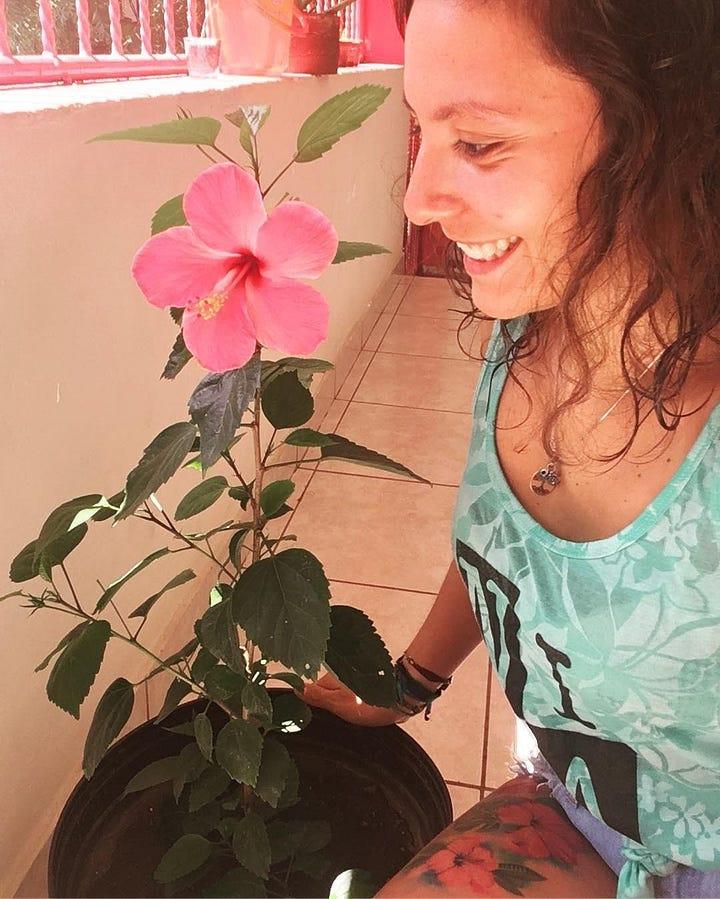
Feminist Series — My journey to women’s rights through some travel experiences

By Racha Ammati I, Racha Ammati, a 28 year old Moroccan female, am proudly finishing my PhD on Women as Agents of Change in the Context of Climate Change by researching a comparative study between Canada and Peru. I aim to capture perspectives of both women in the Global South and in the Global North. […]
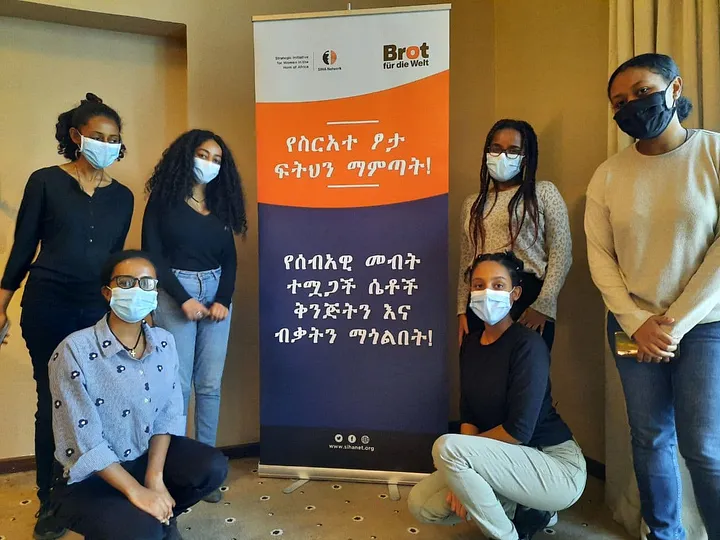
How to Conduct Research in a COVID-19 World?

“Although COVID-19 presents multiple challenges to traditional methods of research, there are opportunities for research firms to provide unique insights into communities that need in-depth research the most.” –Managing Director, Includovate Research Centre plc, Ethiopia, Ms. Elsa Belay What are the challenges for research in a COVID-19 world? Out of country out of mind. Data collection […]
Feminist Series — Economist’s View on Obstacles To Equality

By Dr Kaleab Haile I am a development economist committed to feminism. My two previous blogs (here and here) discuss how gender norms dictate the gendered impact of aggregate shocks on human capital in sub-Saharan Africa. Prevailing biased norms and traditions delegate the majority of household tasks and responsibilities to women which impedes their ability to be […]

Feminist Series — Seeing differently

I am Deniz and I live in Turkey. I have recently completed a Bachelor of Political Science and International Relations with a focus on development and diplomacy. I am now working as a Partnerships and Communications Associateat Includovate, after several months of an amazing internship. I want to be a specialist in this field. This […]

Climate Change and COVID-19: Two Crises That Threaten Gender Equality

By Racha Zahira Ammati Rethinking the Discourse on Women and Climate Change References to women in the gender and climate change literature are conspicuous by the way they frame women’s relationship with the environment as either vulnerable or virtuous. This perspective pigeonholes women into two groups: those in the Global South, vulnerable to climate change’s effects; […]

Feminist Series — Bookworm Activist

By Hanna My name is Hanna Lemma, an Ethiopian National living in Addis Ababa, Ethiopia. I am a young feminist researcher at Includovate. I have always been passionate about working to overcome the widespread social injustice and gender inequality. To this end, I have founded a couple of women’s rights advocacy initiatives and consider myself a […]

“Nothing About Us Without Us!” How Disability Advocacy Can Reinforce Negative Perceptions and Discrimination

By Priva Disability Advocacy’s Impressive Strides Recent work in disability rights advocacy, including international development practice, has shown a significant commitment to disability-inclusive development. A major characteristic of the success of the Convention on the Rights of Persons with Disabilities (CRPD) is the principle embodied by the slogan “Nothing About Us Without Us.” It is this principle that […]

Feminist Series — Walk with Me

by Natalia Pastori Curbelo My name is Natalia, and I have recently joined Includovate as an Associate Researcher. With my 30th birthday approaching — a sort of milestone in one’s life, marking the end of youth — I thought it was time to take a moment and reflect on my journey with feminism through this […]

Feminist Series — For the Love of Language and Justice

By Samanta Pettinelli My name is Samanta Pettinelli. I am originally from Italy, but currently live in Spain. English and Spanish are my second languages. I remember learning English in primary school; the way they taught it was more theoretical than practical. I discovered early in my life that I had a strong passion for […]

Unlocking New Levels of Feminism

by Hanna I am a 24-year-old feminist researcher living in Addis Ababa, Ethiopia. This blog outlines my feminist journey from adolescence to adulthood — and the lessons I learnt along the way. I started calling myself a feminist at a young age. It was a decision that was not influenced, nor by any means reinforced, […]

Adolescent pregnancy as a root cause of CEFMU in Southeast Asia

By Raji Sharma, Associate Researcher at Includovate Child, Early and Forced Marriage and Unions (CEFMU), commonly referred to as child marriage, is defined as the formal or informal union between a child under the age of 18 and an adult or another child. The drivers and root causes of CEFMU are wide-ranging and interrelated, and vary between […]

Feminist Series — Hard Lessons

By Abiyot Negera Seven years after the imperial regime was overthrown by a popular revolution in Ethiopia, I was born on the 23rd of September 1981 in a small rural village in Wollega. My given name at birth was Tola which means the good one in Afaan Oromo. Despite the expectation that my mother would […]

Your Multiplayer Gaming Experience Depends on Your Gender (But It Shouldn’t)

Multiplayer gaming is becoming one of the biggest global economic markets and it is a significant part of modern society and culture. Recently, in a multiplayer game, I pretended to be a girl, just for fun. I used a girl avatar, girl profile, and girl name. I definitely had a different experience after having always […]

Digging deeper into gender and culture: A Personal Opinion

By Dr Sujata Ganguly Being an Indian woman from a city and educated, I understand how easy it is to internalise the superiority of men. For instance, I was raised in a society where it is considered the ‘moral’ duty of women to serve our husbands else it’s ‘shameful’ for us. This normative expectation becomes part […]

Fostering Equitable North-South Civil Society Partnerships: Bridging the Resource Gap

By Ashley  In an increasingly interconnected world, civil society organisations (CSOs) play a vital role in addressing global challenges, from social justice issues to environmental sustainability. Collaborations between International Non-Governmental Organisations (INGOs) and Global South CSOs have become increasingly common, aiming to combine efforts and resources to effect positive change. However, the question of equity […]

How to Design More Disability Inclusive Covid-19 Global Interventions? Leaving No One Behind in the Covid-19 Fight

By Priva and Sisay The COVID-19 pandemic has brought about numerous adjustments to social interactions the world over. Since February 2020, communities around the globe have withdrawn into social isolation and remote work, while scientists scramble for short-term and long-term interventions. Public health experts have advised simple measures that individuals can take, including the frequent washing and sanitizing […]

Feminist Series — A Work in Progress

By Shreya Agarwal My name is Shreya Agarwal, and I am an Indian national with a Bachelor of Arts in Psychology. I have also studied Economics, and have a background in mental health counselling and public policy. My varied interests are a result of my liberal arts education, which taught me the significance of an interdisciplinary […]

An Inclusive and Innovative Approach to Research Ethics — Includovate’s Internal Review Board

Who are we? Includovate is an inclusive and innovative research incubator and social enterprise that designs solutions for inequality and exclusion amongst other areas. Includovate was established in 2019 to address an identified gap in the market: namely the development of participatory and innovative methodologies to understand the root causes of social exclusion and to […]

Leave no girl behind: Ensuring reenrolment of female students as Ethiopia reopens schools amid COVID-19 pandemic!

By Kaleab K. Haile Ethiopia announced a phased reopening of schools starting from October 19, 2020. The Ethiopian Ministry of Education said that 30% of all public schools in the country, except those found in Addis Ababa and its surroundings, would reopen provided that they met COVID-19 health and safety guidelines, such as ability to provide face masks […]

Feminist Series—How I Became a Feminist

By Emmanuel Mensah My name is Emmanuel Kodwo Mensah. I am a 34-year-old Ghanaian male who has spent nearly a decade in Kampala, Uganda with my family which consists of my beautiful wife and two daughters — Vicky and Gabby. I came to Uganda for a Masters in Gender Studies on the 2014 Crop Scientists […]

Event Update: Validation Workshop on National Women Policy Review

by Mahider and Hidaya The Ethiopian national policy for women is the basis to understand women’s standing in the nation. The validation workshop, organized by MoWCY in collaboration with CARE Ethiopia, on the National Women Policy Review consolidated report took place in Addis Ababa on 16 March 2021.The main purpose was to discuss and review the research […]

Feminist Series — May

By May My name is May which means Dew in Arabic. My name is in Arabic because one of my grandfathers is Arab, specifically from Yemen. I live in Addis Ababa, Ethiopia. I am a Human Resources Assistant at Includovate. I value my work because it serves a bigger purpose to society. I started working […]

Feminist Series — A Feminist and a Believer of Social Justice!

I am Shaoni and I am from India, a country with a vast culture and history. I have very recently joined Includovate as an Associate Researcher where I have been researching the lives of children and adolescents in Malawi and also how Community Breeding Programs have led to women’s empowerment in Ethiopia. In terms of […]

What it means to be a feminist researcher

by Charmaine I have never regarded myself as a feminist researcher, nor have I ever consciously thought of what it really means to be a feminist researcher. I am a female researcher who has, for the better part of my academic journey, been groomed in patriarchally dominated institutions. Although I do not identify myself as […]

Feminist Series — My Feminism is Queer

by Nikoletta I consider myself to be a passionate and enthusiastic queer feminist who believes in justice and equality for all. I studied Law with a focus on Human Rights and Gender. I am a native Greek speaker and when I was young I realised that I speak a language that does not give me […]

SEEP Network closing after 36 years in Global Development

by Andrea Mrazova The Small Enterprise Education and Promotion (SEEP) Network was a collaborative learning platform that supported innovative strategies for inclusion, enhancing the livelihood potential for vulnerable populations, especially women, to participate in markets and improve their quality of life. Founded in 1985, the once small group of US-based NGOs became a global network […]

Feminist Series — A peek into my life journey

By Dr Sujata Ganguly My name is Sujata (which means ‘birth’ or ‘origin’) and I am from India. My mother wanted this name for her firstborn, but my paternal grandfather had the privilege to name his first granddaughter in the family. After I was born, my mother decided that I would be her ‘Sujata’. She had […]

Feminist Series — My name is Kali

By Kali I was named after a Hindu goddess — one that is frequently misunderstood. Kali’s role is to destroy all the evil in the world. My mum thought Kali was a symbol of a feminine empowerment. Either way, my namesake suggests I have big challenges to overcome. I can see the most similarities between […]

The Importance of Gender-Based Violence Information Management System (GBVIMS)

Gender-based violence (GBV) is defined by the Office of the United Nations High Commissioner for Refugees (UNHCR) as “harmful acts directed at an individual based on their gender” (UNHCR, n.d.). For organisations, researchers, and activists to take part in the fight against GBV, being able to collect, store, and analyse data from the survivors of […]

Assessing Women’s Economic Empowerment in Ethiopia

By Charmaine R.S Manyani Ethiopia is one of Africa’s fastest growing economies, and recent political and economic reforms have recognised the importance of empowering women and increasing their participation in the labour force. Yet women remain overrepresented in lower-skilled jobs while carrying out the bulk of unpaid care work. Because gender inequality remains prevalent across the […]

Six problematic ways Ethiopian society teaches women to protect themselves and stay safe

By Zanta Messele During these 16 days of activism, we have to remember that the structures that maintain patriarchy in a country like Ethiopia cannot be dismantled in 16 years, let alone 16 days. I grew up learning to accommodate the male gaze, ego and desires by protecting myself against them. This needs to change but […]

Research for Development: Whose Research Is It?

By Soniia David Recently, the concept of decolonisation has been used in a variety of contexts. There have been calls to decolonise academia and knowledge creation, toppling of statues of British imperialists and, lastly, calls to decolonise the aid sector and global health system in response to the COVID-19 pandemic. While decolonisation has been used […]

Feminist Series — Shaking the tables

By Kanika Joshi My name and language My family knows me as an independent and ambitious person who is hardworking and follows her passions in life. My parents named me Kanika without much thought; it is a very common name in India and they simply liked it. Over time, being a lover of storytelling and personal […]

Women-led Research and Consultancy Firms in Ethiopia: An Insight

As a 100% female-owned social enterprise, this blog is celebrating a pioneering female entrepreneur who is also the Managing Director of the Includovate Research Centre in Ethiopia. Includovate was founded in 2019 in response to poor quality data available on gender norms and the extractive nature of research done in low-income countries. Its mission is […]

Feminist Series — Challenging the Re-definition of Feminism

By Ethiopia Lemma Yemiru “My name is Ethiopia and I am from Ethiopia,” was my commonly used icebreaker when I met people as an international student doing my undergraduate in the US. Since I have been back to Ethiopia after graduating with a double major in Gender & Women Studies and Psychology, I have been […]

Paternity Leave in Ethiopia: Underlying Assumptions and the Need for Its Reform

by Mahider In Ethiopia, women get 120 days of paid maternity leave and men 10 days if in the civil service, (Proclamation №1064/2017 § 42(3) &(10)), and 3 days if in the private sector (Proclamation №1064/2017 § 81(2)). It might not be much of a surprise to find that when it comes to parental leave and who […]

We Need to Decolonise Research.

By Kanika Joshi For a researcher in the Global South, working for the development sector more often than not follows a depressingly familiar pattern. Expectation: Set a vision, define a research question, design the methodology, apply for a proposal, get the funding, start the research work, get published, achieve the impact and advocate it sustainably! Reality: Get a […]

Fostering Equitable North-South Civil Society Partnerships: Bridging the Resource Gap

By Ashley  In an increasingly interconnected world, civil society organisations (CSOs) play a vital role in addressing global challenges, from social justice issues to environmental sustainability. Collaborations between International Non-Governmental Organisations (INGOs) and Global South CSOs have become increasingly common, aiming to combine efforts and resources to effect positive change. However, the question of equity […]

Gender inclusive language: Why is it Important?

By Wanja Njiriri   Language is an essential communication tool for expressing ourselves and interacting with the world around us (Kelly, 2023). It possesses the remarkable capacity to mould our thoughts, emotions, and behaviours, while also contributing substantially to the formation of our cultural identities and life experiences. Furthermore, language holds the potential to both […]

Clean water and sanitation for all?

Promoting gender equality, disability and social inclusion (GEDSI) in WASH programming By Wanja Njiriri, Senior Researcher, Includovate The United Nations recognises access to water, sanitation, and hygiene services (WASH) as a fundamental human right, and has set an ambitious target “to ensure the availability and sustainable management of water and sanitation for all” by 2030.   […]

Includovate: Advancing Inclusion through Research and Action

In a world that thrives on diversity, recognising and celebrating the rights and contributions of all individuals is pivotal. USAID, has taken a significant step forward with its LGBTQI+ Inclusive Development Policy. Through this policy, USAID affirms its commitment to embracing all people, regardless of their sexual orientations, gender identities, expressions, and sex characteristics, and […]

Is it time to decolonise ESG metrics?

What are ESG metrics? Environmental, social, and governance (ESG) metrics are performance indicators that track, measure and rate companies’ progress against these three key pillars. ESG metrics may be quantitative or qualitative, but usually require companies to supply very specific information on a distinct topic (such as their greenhouse gas emissions, the percentage of minorities […]

Voices from Ethiopia: Exploring Gendered Experiences of Unpaid Care Work

By Hidaya Muhiden “In order to truly empower women, we must ensure that unpaid care is better valued, supported and shared – by men and the State.” UN Human Rights Report, 2013. Around the world, girls and women perform the majority of unpaid care and domestic work. The International Labour Organisation (ILO, 2018) estimates that such […]

Conflict? But Surely we Want to Avoid Conflict?

Understanding the Importance of ‘Creative Abrasion’. “Creative abrasion is a process in which potential solutions are created, explored and modified though debate and discourse. It can, and often does, involve heartfelt disagreement or heated argument.” Collective Genius, Hill et al., 2014. When was the last time you had a heated argument about an idea, suggestion […]

Embracing Feminism: A Kenyan Woman’s Perspective

By Ashley Mutiso, Chief of Staff and Impact Manager, Includovate

Out of sight. Out of excuses.

By Includovate Communications Team

What is ‘unpaid care work’ and why does it matter? An insight from Ethiopia

By Hidaya Muhiden The notion that women are ‘carers’ and  ‘homemakers’ has influenced societies and labour markets throughout history. Still today around the world, from the wealthiest to poorest societies, the majority of unpaid domestic work is carried out by girls and women. In low and middle-income countries, poor  physical amenities,– including limited clean water, […]

Demystifying Machine Learning for Gender Equity and Social Inclusion (GESI) Advisors

By Eunice Musyoka

A Day Of Mourning For The Loss Of Human Rights

“All human beings are born free and equal in dignity and rights.” The Universal Declaration of Human Rights   As a person who supports equal rights and has dedicated my career to promoting equality, I am deeply saddened by the passing of Uganda’s Anti-Homosexuality Act, described as “the world’s worst, most draconian anti-LGBTQ legislation”. UN rights […]

UNICEF Ethiopia – Rapid Assessment Toolkit – RAISE

The Opportunity and the Need to develop a standardized approach (including methodology and procedural guidance) for the rapid assessment of solutions (RAA) programmatically focusing on “learning to earning”, i.e. youth education, skills development, entrepreneurship, school-to-work transitions and employment/job creation to determine its merit and possibility for replication and scale up in Ethiopia, the Eastern and […]

5 key reasons why Covid-19 has led to a rise in child marriage

By Raji Sharma, Associate Researcher at Includovate The Covid-19 pandemic and the ensuing lockdowns have had a devastating effect on communities and economies throughout the world. Exacerbating existing inequalities, the pandemic has exposed unique challenges that require joint efforts by governments, development practitioners and civil society actors. One such impact is the spike in child […]

Research node looks to ensure that ‘inclusive justice’ lives up to its name

Look up the phrase ‘inclusive justice’ on the Internet and you’ll get several different responses.Definitions range from ensuring that poor and marginalised communities have access to free and fair trials to acknowledging the ‘interwovenness’ of various injustices i.e., racism, sexism etc. and the impact that they may play in the justice system. But for Includovate’s […]

Formative and Summative Evaluation of UNICEFs Rights, Education and Protection (REAP) II

In 2011, UNICEF launched a programme and partnership with Australia’s Department of Foreign Affairs and Trade (DFAT), under the name REAP – Rights, Education and Protection. Its 2nd phase called REAP II had the overall vision to promote inclusive development approaches which fulfil the rights of children with disabilities, with a focus on the demonstration countries of […]

Gender Equality and Social Inclusion

Gender Equality and Social Inclusion (GESI) is integral to achieving global sustainable development goals, and World Vision’s “Our Promise” strategy and child well-being objectives. GESI advances World Vision’s core values to promote human transformation by reaching the most vulnerable children and adults and challenging the root causes of vulnerability that sustain gender inequality and social […]

Research Team Provides Ongoing Mentoring and Support to Staff

Includovate’s mission of raising the profile and capabilities of researchers worldwide is not only a defining value of the organisation, it’s a philosophy that we very much apply internally as well. Our Research team has created valuable initiatives to ensure that their staff have the tools and support they need to succeed in every step […]

How to Conduct Research in a COVID-19 World?

“Although COVID-19 presents multiple challenges to traditional methods of research, there are opportunities for research firms to provide unique insights into communities that need in-depth research the most.” -Managing Director, Includovate Research Centre plc, Ethiopia, Ms. Elsa Belay What are the challenges for research in a COVID-19 world? 1. Out of country out of mind. […]

How to Revolutionise Disability Research? Advancing a Participatory Disability Research Approach

Since the adoption of the United Nations Convention on the Rights of Persons with Disabilities (CRPD) in 2006, the world has grappled with the idea of disability-inclusive development. Indeed, much progress has been made in the replacement of the charity and medical models of disability with the social model. According to the social model, persons with disabilities are […]

Leave No Girl Behind: Ensuring Re-enrolment of Female Students as Ethiopia Reopens Schools Amid COVID-19 Pandemic!

Ethiopia announced a phased reopening of schools starting from October 19, 2020. The Ethiopian Ministry of Education said that 30% of all public schools in the country, except those found in Addis Ababa and its surroundings, would reopen provided that they met COVID-19 health and safety guidelines, such as ability to provide face masks and […]

How to Design More Disability Inclusive Covid-19 Global Interventions?

The COVID-19 pandemic has brought about numerous adjustments to social interactions the world over. Since February 2020, communities around the globe have withdrawn into social isolation and remote work, while scientists scramble for short-term and long-term interventions. Public health experts have advised simple measures that individuals can take, including the frequent washing and sanitizing of […]

Feminist Research Ethiopia: The learning process of an outsider/insider

A few months ago, I went on a data collection assignment as part of a national consultation team to study specific barriers and constraints faced by Ethiopian women. I was excited for the task because I believe every data collection process is an opportunity to navigate a different environment and gain further insight into people’s […]

Research ethics, disability and COVID-19 in Africa

This blog interviews Dr. Befikadu Esayas, an Inclusive Ecosystems Researcher and former chair of Includovate’s ethical review board. This interview is for a blog series that reflects upon the impacts of the COVID-19 in Africa on research work at Includovate. How will research change post-COVID-19? Research will change because of the COVID-19 pandemic and social distancing […]

Ethiopia’s Women’s policy review and COVID-19

Kiya Gezahegne is a senior feminist researcher for Includovate and leads the Policy and Rights Portfolio. She is currently working on a review of the Ethiopia Women policy. This interview is for a blog series that reflects upon the impacts of the COVID-19 pandemic on research work at Includovate. Where do you live and what is the government’s […]

Dr. Bikketi on Adapting to COVID-19 in Kenya | Includovate

This blog interviews Dr. Edward Bikketi, a full-time researcher at Includovate in response to COVID-19 in Kenya. Where Do You Live, and What Is the Government’s Response to COVID-19 in Kenya? I live in Nairobi, Kenya. The government response to the COVID-19 pandemic is serious as they have enforced a mandatory 7PM to 5AM lockdown in the whole […]

COVID-19 and Research in Low-Income Countries

Includovate is a research incubator that designs solutions to the problems of inequality and exclusion. Includovate was established in 2019 to address an identified gap in the market: namely the development of participatory and innovative methodologies to understand the root causes of social exclusion and to develop change processes to support organizations, sectors and communities to tackle these […]

Is Agriculture the Solution for All These Young People? Or, Do We Not Understand the Problem?

There are currently more young unemployed people on the planet than in any previous generation. How can developing countries reap a ‘demographic dividend’ and benefit from this large, young population? This seven-part blog post series on youth engagement in agriculture explores some of the findings of a recent review into youth engagement in rice Agri-Food […]

A Peep Inside The Box: The Inheritance of Power

The genesis of Self-Help Groups (SHG) in India can be traced back to the formation of the Self-Employed Women’s Association (SEWA) in 1970. SHGs played an important role in changing the lives of women in rural India and are therefore considered to be one of the most significant approaches toward economic empowerment and the improvement of various aspects of […]

Methodological Blueprint for Measuring Women’s Empowerment Part 5 – CAPTURING SOCIAL AND GENDER NORMS

Quality survey questions are extremely important.  While cognitive interviewing can help refine survey questions for endogenous comprehension, questions relating to autonomy and norms require even more careful consideration. In the original Women Empowerment in Agriculture Index (WEAI), the autonomy indicator is collected using a set of questions about motives for decisions. Let us consider the following WEAI […]

Methodological Blueprint for Measuring Women Empowerment Part 4 – COGNITIVE INTERVIEWING

The way relationships are important for understanding women empowerment was explored in the previous blog. This blog explores a method used to probe more deeply on comprehension of survey questions and to gather information on perceptions. Cognitive interviewing is an evidence-based, qualitative method to assess participants’ understanding of survey questions before the survey is administered. Cognitive interviews […]

Methodological Blueprint for Measuring Women Empowerment Part 3 – CAPTURING THE RELATIONAL LEVEL

Many empowerment measures used in economic programs wish to claim that they economically empower women. In line with capitalism, these programs take a neo-liberal rational actor perspective where individuals happily acquire income for themselves. In reality, many people in low-income countries live community based lives and live under the same roof with their extended family. Their consciousness is bound […]

Key Differences Between Research for Development (R4D) and Domestic Research

Includovate has an ethical review board specialising in Research for Development (often abbreviated as R4D). Includovate is often asked why an ethical review board is needed to specialise in R4D when there are many domestic IRBs based inside universities or government departments. Although both share core research methodologies, R4D and domestic research can differ in […]

Reflect, Learn, and Act: Breaking Dependency to USAID

Reflect, Learn, and Act. Breaking Dependency on USAID Insights from Our Recent Webinar – The Future of Aid and Inclusive Leadership   After decades of aid from the U.S. Agency for International Development (USAID) to several countries to support humanitarian work, the State Department announced on March 28th, 2025 that it was officially shutting down USAID—what many […]

Investing in Male Engagement: A Pathway to a Violence-Free Future for Women and Girls

Inclusive Conversation with the CEO Investing in Male Engagement: A Pathway to a Violence-Free Future for Women and Girls Join us for an enlightening webinar on “Investing in Male Engagement: A Pathway to a Violence-Free Future for Women and Girls,” featuring Dr. Kristie Drucza, CEO & Founder of Includovate, and Superintendent of Police (SP) Francis […]

Ugandan Court Ruling: A glimmer of hope for children with Autism Spectrum Disorder (ASD)

By Emmanuel, Adetokunbo, and Kristie Introduction Autism is often known as Autism Spectrum Disorder (ASD), a broad terminology for a range of diseases involving brain development that has lifelong consequences (WHO, 2022). It may appear in early childhood or later in adulthood and is often marked by communication and social skills difficulties. Children on the […]

0
    0
    Your Cart
    Your cart is emptyReturn to Shop
    Skip to content