
Inclusive Justice
Inclusive Justice
Every day, millions face injustice not only in courts, but in classrooms, workplaces, streets, and homes. Justice is not a concept confined to the legal system — it is the foundation of social dignity, protection, and participation.
Globally, 5 billion people lack access to meaningful justice (HiiL, 2019). For many, justice is out of reach for everyday problems such as land disputes, wage theft, gender-based violence, or denial of basic services. Others live in extreme conditions of injustice — silenced, criminalised, or excluded.

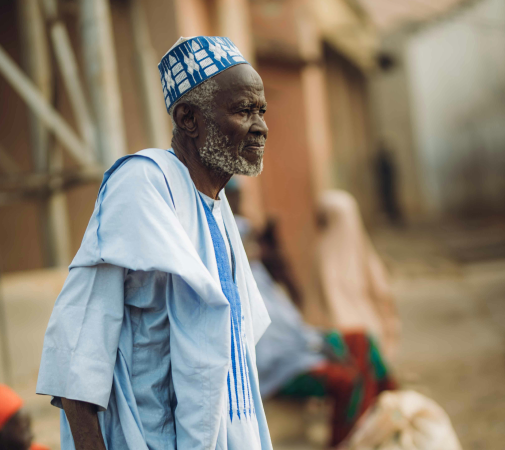
Who Is Left Behind?
Exclusion from justice systems is rarely accidental — it is often the result of intersecting structural barriers. These may be:
Legal barriers:
such as discriminatory laws or a lack of legal identity documents
Cultural and social norms:
that silence or marginalise certain groups
Economic barriers:
including the cost of legal services or transport
Physical or institutional inaccessibility:
particularly affecting persons with disabilities
These barriers disproportionately affect:
Legal barriers:
Women and girls
LGBTQI+ people
Ethnic minorities and Indigenous communities
Migrants, refugees, and stateless persons
Children and those deprived of liberty
Barriers include discrimination, legal costs, complex procedures, and weak accountability. In many cases, justice systems replicate — rather than reduce — inequality.

Key Principles of
Inclusive Justice:
Fairness for all: Justice is experienced as a practical and lived reality by everyone, not just a theoretical or court-based concept.
Addressing systemic barriers: Recognising that people start from different positions and actively working to level the playing field.
Multi-dimensional inclusion: Covering social inclusion, economic inclusion, environmental inclusion, and political inclusion.
Cultural sensitivity: Appreciating diverse cultural perspectives and histories, respecting that justice means different things in different contexts.
Intersectionality: Understanding how multiple social identities intersect to create unique experiences of oppression or privilege.
Proactive systemic change: Moving beyond reacting to injustices to redesigning institutions and norms toward equity.
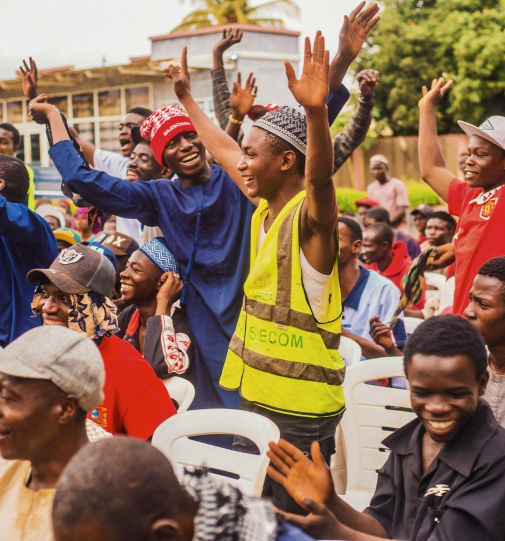
Why Inclusive Justice Matters
Access to justice is a fundamental right and essential for achieving SDG 16: inclusive, peaceful societies. But laws alone are not enough — justice must be experienced, not just promised. At Includovate, we view justice as a process rooted in participation, equity, and transformation — not just legal compliance.

Challenges to inclusive evaluation include
Mapping Systemic Barriers through Participatory Methods:
Use participatory mapping and systems mapping with affected communities to identify and visualise structural, cultural, and institutional barriers to justice. This approach ensures marginalised groups directly share their knowledge and priorities, helping expose hidden power dynamics and systemic inequalities from lived experience, rather than only relying on “expert” data.
Analysing Justice Policies Using Intersectional and Gender Lenses:
Evaluate laws, policies, and institutional practices by examining how multiple social identities—such as gender, race, disability, and class—intersect to affect experiences of justice and exclusion. This analysis uncovers differential impacts and systemic biases, guiding reforms that advance equitable outcomes for all groups.
Embedding Lived Experiences into Data and Policy:
Integrate qualitative data from interviews, storytelling, and community consultations with quantitative data to ensure research reflects the actual experiences, needs, and aspirations of diverse populations. This strengthens the relevance and legitimacy of justice research and policy-making.
Co-designing Community-Driven Justice Solutions:
Engage communities as equal partners in designing justice interventions, research frameworks, and policies. Co-design fosters empowerment, ensures solutions are culturally appropriate, and encourages ownership and trust, increasing the effectiveness of justice initiatives.
Literature Review and Academic Research:
Conduct comprehensive reviews of theories, frameworks, and empirical research on social justice, inclusive justice, and systemic inequality across disciplines.
Policy and Legal Analysis:
Review human rights frameworks, legal reforms, and institutional practices through lenses that prioritise equity, diversity, and inclusion.
Qualitative and Quantitative Methods:
Use methods such as surveys, focus groups, ethnographic studies, and impact assessments to gather diverse types of evidence. Interviews, focus groups, and ethnographic studies help understand the lived experiences of marginalised groups and how justice systems affect them, while surveys help to understand how many people are affected and in what ways.
Interdisciplinary and Participatory Research:
Combine insights from law, sociology, anthropology, political science, and community knowledge to address the complexity of justice in different contexts.
Advocacy and Activism Resources:
Draw on the work and experiences of social movements and advocacy groups championing justice to understand practical challenges and strategies.
Case Studies and Reports:
Explore real-world examples and program evaluations from NGOs, international organisations, and community groups working on justice and equity.
In essence, inclusive justice is about building a fair, equitable society that recognises diversity and systemic inequalities and actively works to dismantle them. Researching this topic requires a blend of theoretical knowledge, policy understanding, and deep engagement with affected communities and real-world contexts. Inclusive justice systems are foundational to achieving legal empowerment and social cohesion.