
Disability Inclusion
Disability Inclusion: Advancing Equity for All
Persons with disabilities represent one of the world’s most marginalised groups. According to the World Report on Disability, over 1 billion people—approximately 15% of the global population—live with some form of disability. Over half of these individuals are women. Despite these numbers, persons with disabilities often face exclusion, their needs ignored or overlooked in policy and programming.
Understanding Disability and Inclusion
Defining disability is a complex and culturally diverse process. For example, in some countries, disability is seen through spiritual or social lenses rather than medical ones. The United Nations Convention on the Rights of Persons with Disabilities (UNCRPD, 2006) provides a widely respected framework, describing persons with disabilities as those with long-term physical, mental, intellectual, or sensory impairments interacting with societal barriers that hinder full participation.
Disability inclusion means recognising how people’s functioning interacts with their environment to enable participation in society. It demands the removal of barriers and the creation of opportunities for persons with disabilities to fully engage in education, employment, health, and community life.


Why Disability Inclusion Matters
Advancing disability inclusion promotes justice, dignity, and equitable development. It supports the Sustainable Development Goals (SDGs) principle of “leaving no one behind,” with disability explicitly addressed in goals related to education, employment, reducing inequality, creating accessible environments, and ensuring data accountability (SDGs 4, 8, 10, 11, and 17). Disability inclusion is not charity but a vital investment in a more equitable and prosperous future for all.
Barriers to Disability Inclusion
Persons with disabilities face multiple, intersecting challenges:
Education and Employment: Denial of school enrolment or job opportunities based on disability status.
Healthcare Access: Negative attitudes among healthcare staff and a lack of accessible services.
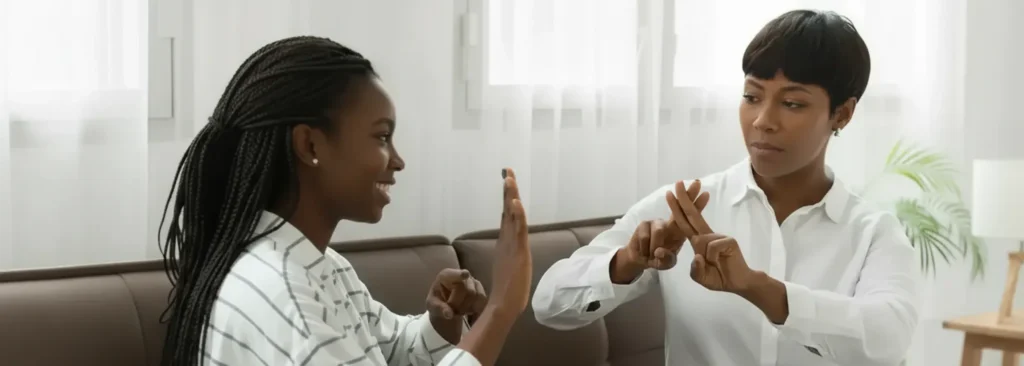
Physical and Informational Accessibility: Many environments and information channels remain inaccessible, especially those related to sexual and reproductive health programs.
Disaster and Crisis Exclusion: Often overlooked in disaster risk management and pandemic responses, including COVID-19.
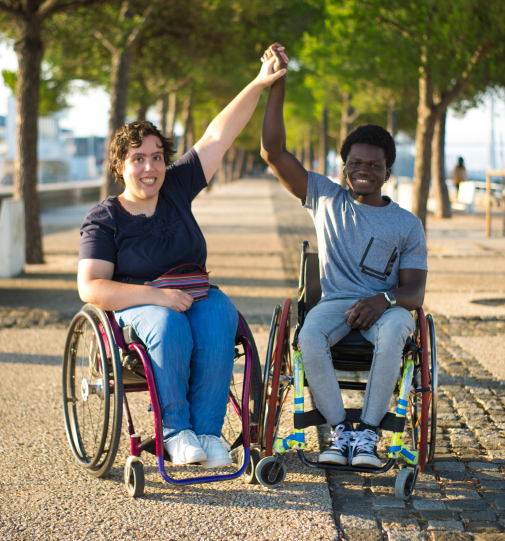
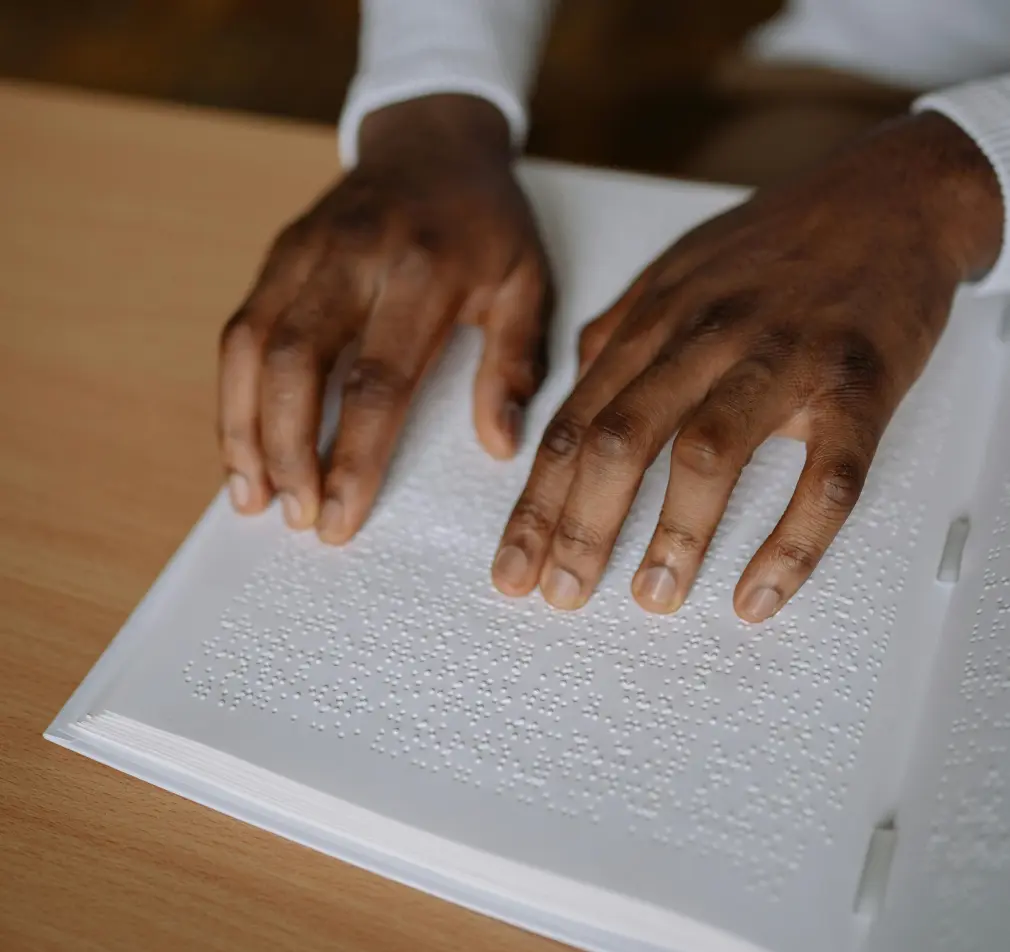
Transportation Barriers: Wheelchair users and individuals with visual impairments frequently encounter inaccessible public transportation, which can lead to additional costs or social isolation.
Social Stigma: Fear of stigma leads to children with disabilities being hidden from society or denied documentation and rights.
Justice System Obstacles: Courts and legal procedures are often inaccessible or unaware of disabilities.
Representation Gaps: Persons with disabilities are seldom directly consulted in research or policy development; their needs are often inferred or represented by others.
How We Support Disability Inclusion
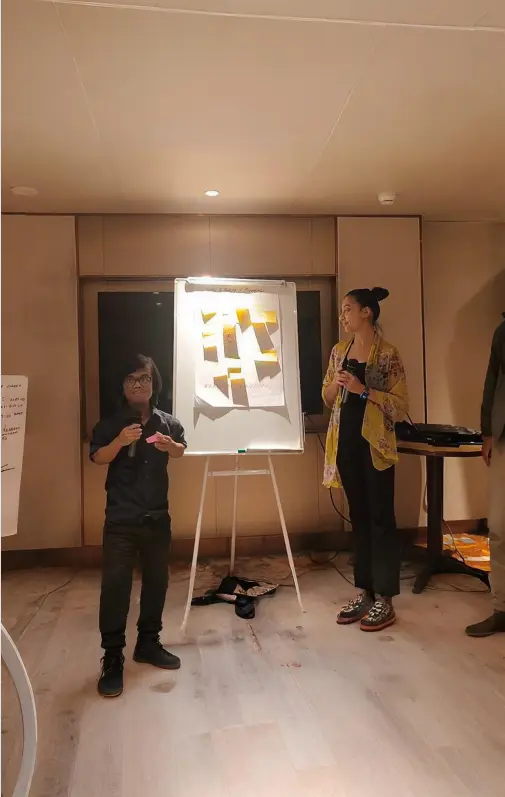
We strive to strengthen disability inclusion at global, national, and organisational levels by:
Mainstreaming disability in laws, policies, and programs to ensure accessibility and inclusion, and promoting targeted policies that explicitly protect the rights of persons with disabilities.
Raising awareness and transforming attitudes across government, the private sector, and civil society, and building capacity across sectors to implement inclusive policies and programming.
Supporting self-representation of persons with disabilities, including women and children and organisations of people with disabilities (OPDs).
Applying diverse theoretical frameworks and participatory research methods, and enhancing data collection and disaggregation by disability, gender, age, and other identity markers to inform evidence-based policy.
Developing participatory monitoring and evaluation systems aligned with UNCRPD indicators.
True to Article 4(3) of the UNCRPD, we actively involve persons with disabilities and their representative organisations in the design, implementation, and monitoring of all our initiatives. We employ people with disabilities, and our Advisory Board includes persons with disabilities who provide technical guidance on disability-inclusive practice.
Our Approach at Includovate
Grounded in intersectionality, rights-based principles, and rigorous data, our approach involves:
Identifying and dismantling systemic barriers that restrict participation by persons with disabilities.
Collecting and analysing disaggregated data to drive inclusive policy and program design.
Centreing lived experiences of persons with disabilities, especially women and youth, in research and advocacy.
Building institutional capacities for inclusive evaluation, advocacy, and practice.
By amplifying often-excluded voices and strengthening inclusive systems, we contribute to resilient societies that uphold the rights and dignity of all people.
Examples of our work
- The Hidden Cost of Disability: Inclusive Policies for Children and Adults in South Africa
- Empowering children with disabilities through legal tools and inclusive education reform
- Multi-Stakeholder Processes Lead to Funding for Disability Inclusion
- The Business Case for Disability Inclusive Education, Training, and Employment

Partner with Us
With extensive expertise in disability research, policy, and participatory practice, Includovate offers tailored consultancy to support organisations in designing, implementing, and evaluating disability-inclusive initiatives. We prioritise empowering persons with disabilities as equal partners, ensuring interventions are impactful and sustainable.
Join us in advancing disability inclusion — fostering equity, justice, and lasting change.