Promoting gender equality, disability and social inclusion (GEDSI) in WASH programming By Wanja Njiriri, Senior Researcher, Includovate The United Nations recognises access to water, sanitation, and hygiene services (WASH) as a fundamental human right, and has set an ambitious target “to ensure the availability and sustainable management of water and sanitation for all” by 2030. […]
By Raji Sharma, Associate Researcher at Includovate The Covid-19 pandemic and the ensuing lockdowns have had a devastating effect on communities and economies throughout the world. Exacerbating existing inequalities, the pandemic has exposed unique challenges that require joint efforts by governments, development practitioners and civil society actors. One such impact is the spike in child […]

Since the adoption of the United Nations Convention on the Rights of Persons with Disabilities (CRPD) in 2006, the world has grappled with the idea of disability-inclusive development. Indeed, much progress has been made in the replacement of the charity and medical models of disability with the social model. According to the social model, persons with disabilities are […]

Kiya Gezahegne is a senior feminist researcher for Includovate and leads the Policy and Rights Portfolio. She is currently working on a review of the Ethiopia Women policy. This interview is for a blog series that reflects upon the impacts of the COVID-19 pandemic on research work at Includovate. Where do you live and what is the government’s […]
The genesis of Self-Help Groups (SHG) in India can be traced back to the formation of the Self-Employed Women’s Association (SEWA) in 1970. SHGs played an important role in changing the lives of women in rural India and are therefore considered to be one of the most significant approaches toward economic empowerment and the improvement of various aspects of […]
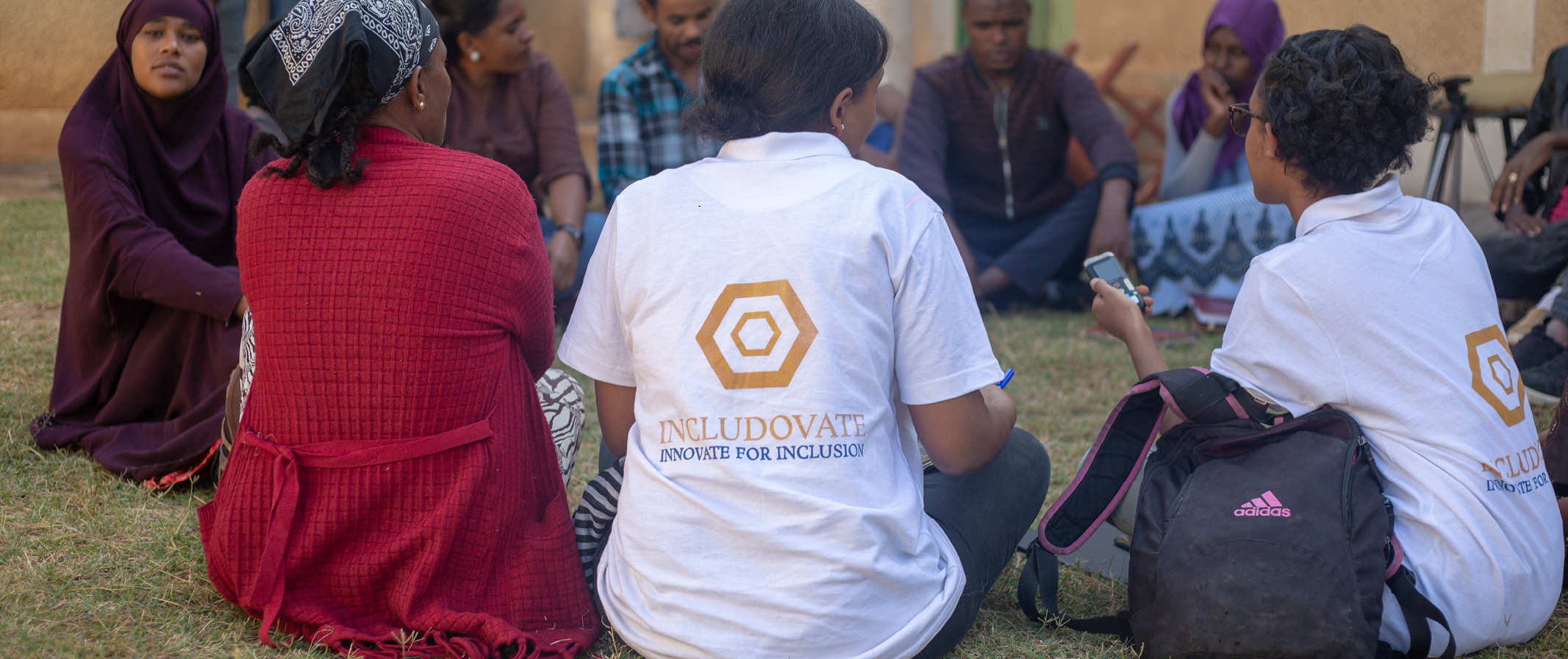
Quality survey questions are extremely important. While cognitive interviewing can help refine survey questions for endogenous comprehension, questions relating to autonomy and norms require even more careful consideration. In the original Women Empowerment in Agriculture Index (WEAI), the autonomy indicator is collected using a set of questions about motives for decisions. Let us consider the following WEAI […]

The way relationships are important for understanding women empowerment was explored in the previous blog. This blog explores a method used to probe more deeply on comprehension of survey questions and to gather information on perceptions. Cognitive interviewing is an evidence-based, qualitative method to assess participants’ understanding of survey questions before the survey is administered. Cognitive interviews […]
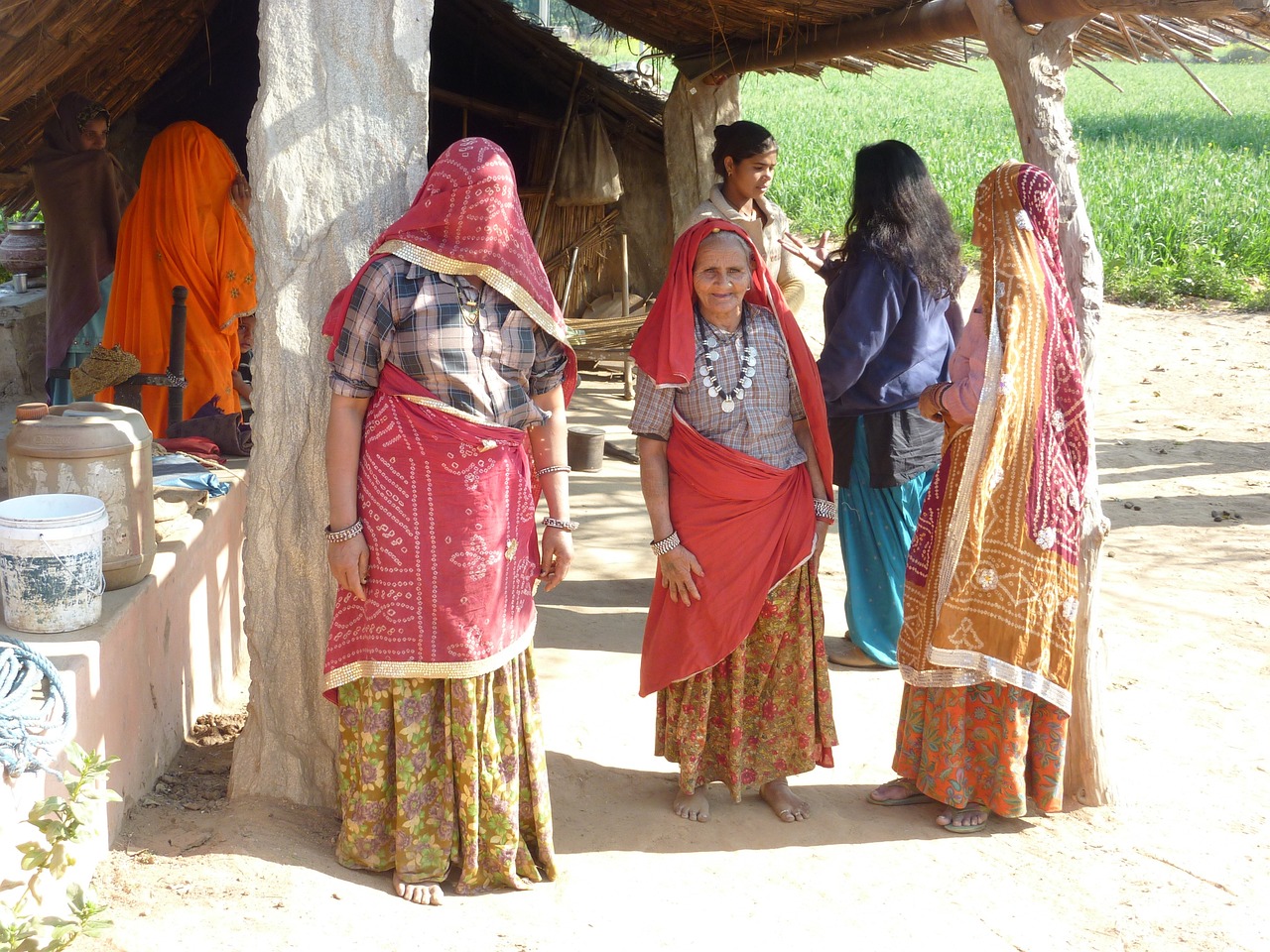
Many empowerment measures used in economic programs wish to claim that they economically empower women. In line with capitalism, these programs take a neo-liberal rational actor perspective where individuals happily acquire income for themselves. In reality, many people in low-income countries live community based lives and live under the same roof with their extended family. Their consciousness is bound […]