by Charmaine I have never regarded myself as a feminist researcher, nor have I ever consciously thought of what it really means to be a feminist researcher. I am a female researcher who has, for the better part of my academic journey, been groomed in patriarchally dominated institutions. Although I do not identify myself as […]
By Soniia David Recently, the concept of decolonisation has been used in a variety of contexts. There have been calls to decolonise academia and knowledge creation, toppling of statues of British imperialists and, lastly, calls to decolonise the aid sector and global health system in response to the COVID-19 pandemic. While decolonisation has been used […]
As a 100% female-owned social enterprise, this blog is celebrating a pioneering female entrepreneur who is also the Managing Director of the Includovate Research Centre in Ethiopia. Includovate was founded in 2019 in response to poor quality data available on gender norms and the extractive nature of research done in low-income countries. Its mission is […]
By Kanika Joshi For a researcher in the Global South, working for the development sector more often than not follows a depressingly familiar pattern. Expectation: Set a vision, define a research question, design the methodology, apply for a proposal, get the funding, start the research work, get published, achieve the impact and advocate it sustainably! Reality: Get a […]

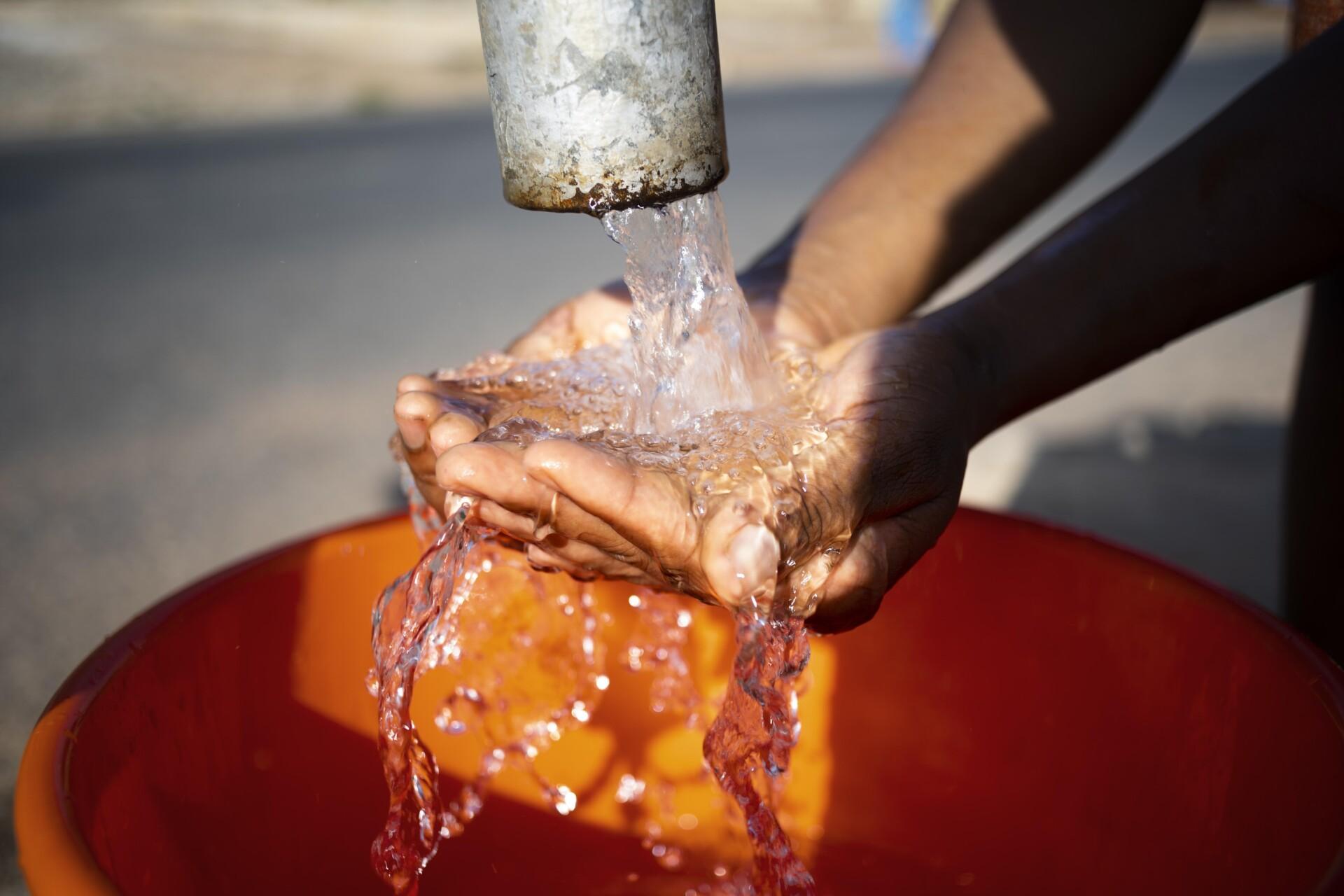
Promoting gender equality, disability and social inclusion (GEDSI) in WASH programming By Wanja Njiriri, Senior Researcher, Includovate The United Nations recognises access to water, sanitation, and hygiene services (WASH) as a fundamental human right, and has set an ambitious target “to ensure the availability and sustainable management of water and sanitation for all” by 2030. […]
The Opportunity and the Need to develop a standardized approach (including methodology and procedural guidance) for the rapid assessment of solutions (RAA) programmatically focusing on “learning to earning”, i.e. youth education, skills development, entrepreneurship, school-to-work transitions and employment/job creation to determine its merit and possibility for replication and scale up in Ethiopia, the Eastern and […]
“Although COVID-19 presents multiple challenges to traditional methods of research, there are opportunities for research firms to provide unique insights into communities that need in-depth research the most.” -Managing Director, Includovate Research Centre plc, Ethiopia, Ms. Elsa Belay What are the challenges for research in a COVID-19 world? 1. Out of country out of mind. […]

Since the adoption of the United Nations Convention on the Rights of Persons with Disabilities (CRPD) in 2006, the world has grappled with the idea of disability-inclusive development. Indeed, much progress has been made in the replacement of the charity and medical models of disability with the social model. According to the social model, persons with disabilities are […]

Ethiopia announced a phased reopening of schools starting from October 19, 2020. The Ethiopian Ministry of Education said that 30% of all public schools in the country, except those found in Addis Ababa and its surroundings, would reopen provided that they met COVID-19 health and safety guidelines, such as ability to provide face masks and […]
The COVID-19 pandemic has brought about numerous adjustments to social interactions the world over. Since February 2020, communities around the globe have withdrawn into social isolation and remote work, while scientists scramble for short-term and long-term interventions. Public health experts have advised simple measures that individuals can take, including the frequent washing and sanitizing of […]