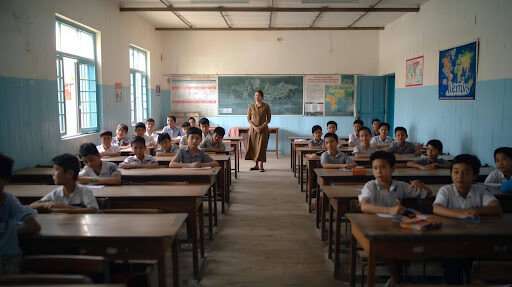
When COVID-19 swept across the globe, its impact stretched far beyond health systems. In Cambodia—a country already grappling with the twin challenges of development and gender inequality—the pandemic struck at the core of progress: education and employment. As schools closed and economies contracted, a pressing question emerged: Does education still protect people from economic hardship? […]
In the realm of international development, organisations are increasingly recognising the vital importance of integrating Gender Equality, Disability, and Social Inclusion (GEDSI) principles into their operations and projects. However, a common challenge arises in differentiating between a GEDSI audit and a GEDSI impact assessment. Both are essential for fostering inclusivity, yet they diverge significantly in […]

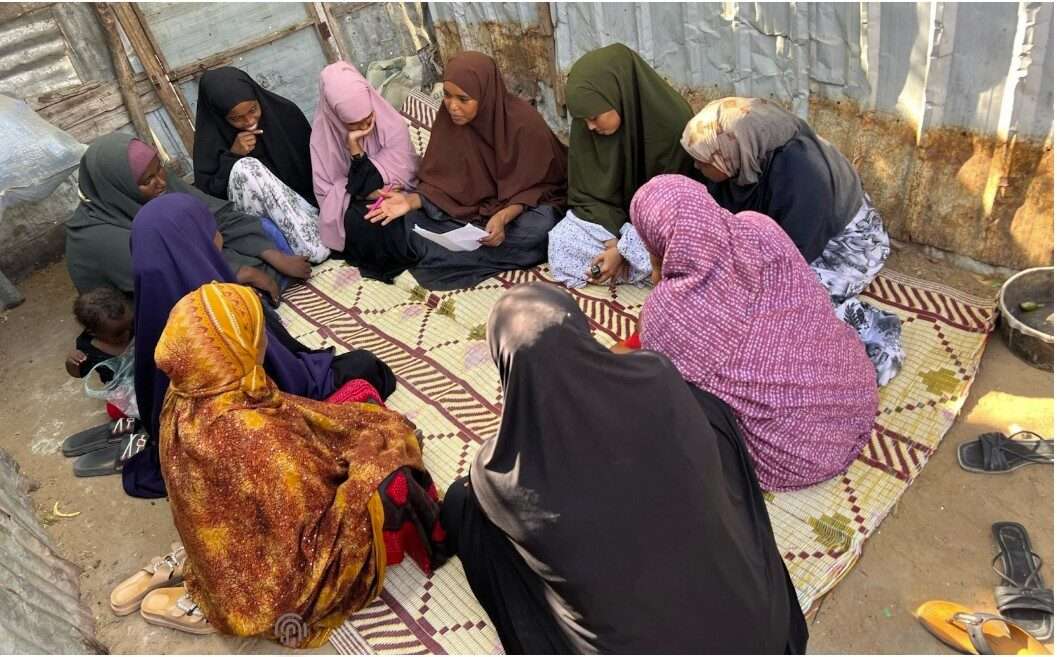
In a world grappling with complex humanitarian crises, understanding the lived experiences of marginalised communities is paramount. However, traditional research often falls short in capturing these realities. Fortunately, a powerful, participatory method called Photovoice is changing the game. Includovate’s recent work showcases how this innovative approach can: – Empower young refugees to document and share […]

In today’s world, fostering safe spaces for meaningful interaction and collaboration is more important than ever. Psychological safety has become a buzzword and a demand. A safe space provides an environment where individuals can express themselves freely without fear of judgment, criticism, or discrimination. A safe space is more than just a location; it’s a […]
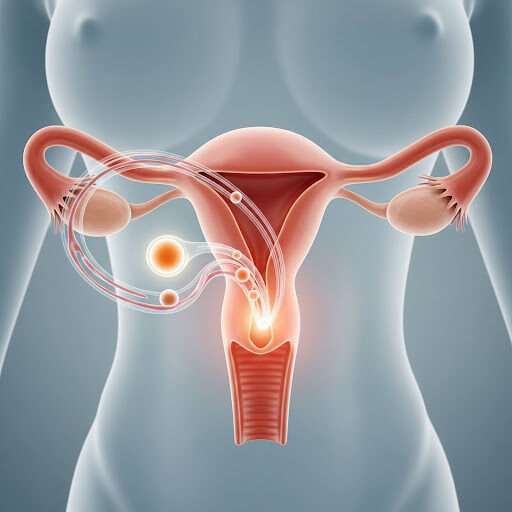
Despite the Sustainable Development Goals (SDGs 3.7.1 and 3.7.2) aiming to reduce adolescent fertility and ensure that all women have access to modern methods of contraception, Fiji faces a complex challenge beneath its idyllic surface. The lack of sexual and reproductive health and rights (SRHR) impacts countless Fijians, especially women, youth, and people with disabilities. […]
Development isn’t just about building infrastructure or implementing programs; it’s about creating sustainable change that truly benefits communities. And at the heart of successful development lies one crucial element: diverse voices. When we listen to and incorporate the perspectives of everyone, especially those often marginalised, projects become richer, more effective, and genuinely impactful. Think about […]

Includovate is a systems change research incubator. Like a business incubator that grows businesses, we develop research talent across low- and middle-income countries. Includovate’s methodology challenges traditional research assumptions by adopting feminist, inclusive, and participatory approaches that critically interrogate implicit biases and systemic inequities. Here are the key ways it does so: 1. Interrogating Traditional […]
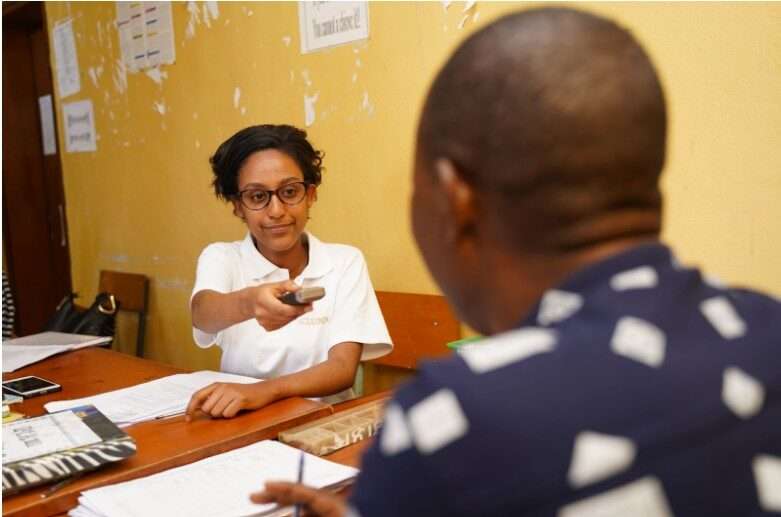
By: Shadia Nassar – Includovate/ Principal Researcher Mind/cognitive mapping has been a central endeavour in psychology, as researchers seek to understand the complex workings of the human brain and how we make sense of the world around us. Tolman originally defined the cognitive map as an internal representation of a specific spatial area; the term has broadened […]

By: Shadia Nassar – Includovate/ Principal Researcher In the previous blog, we delved into the causal analysis research method, which involves identifying cause-and-effect relationships between variables to understand the factors that lead to a specific outcome. Building on this concept, our focus in this blog will be on contribution analysis, a complementary research method that […]