
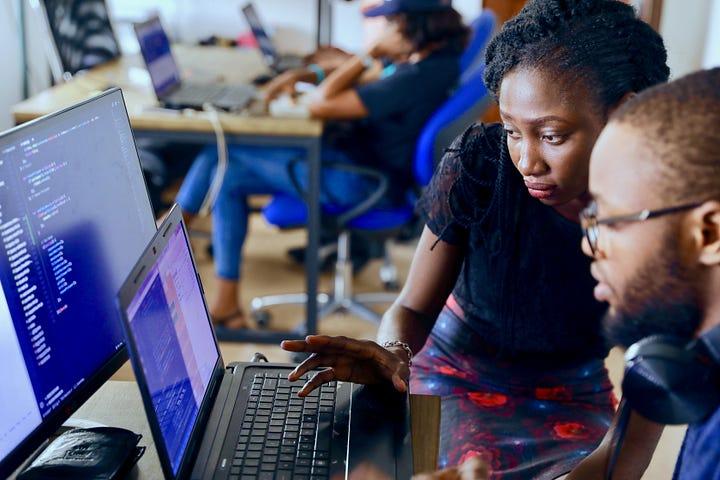
By Charmaine R.S Manyani Ethiopia is one of Africa’s fastest growing economies, and recent political and economic reforms have recognised the importance of empowering women and increasing their participation in the labour force. Yet women remain overrepresented in lower-skilled jobs while carrying out the bulk of unpaid care work. Because gender inequality remains prevalent across the […]
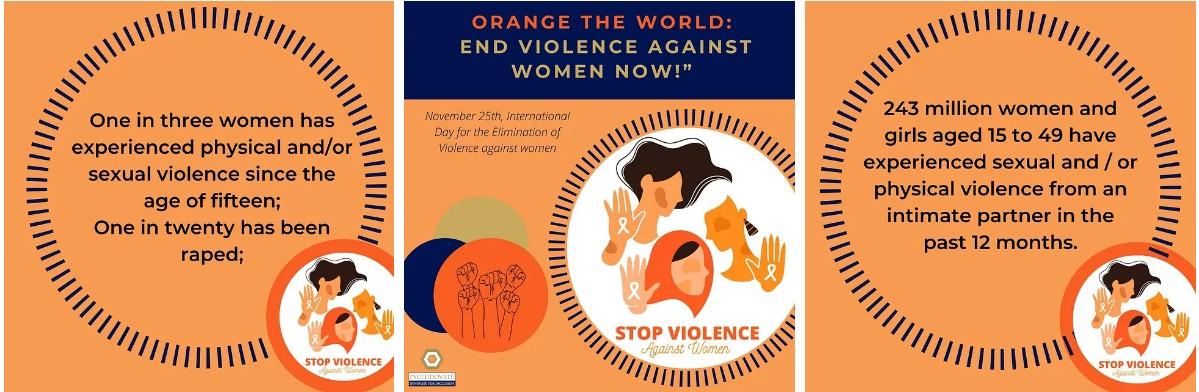
By Zanta Messele During these 16 days of activism, we have to remember that the structures that maintain patriarchy in a country like Ethiopia cannot be dismantled in 16 years, let alone 16 days. I grew up learning to accommodate the male gaze, ego and desires by protecting myself against them. This needs to change but […]
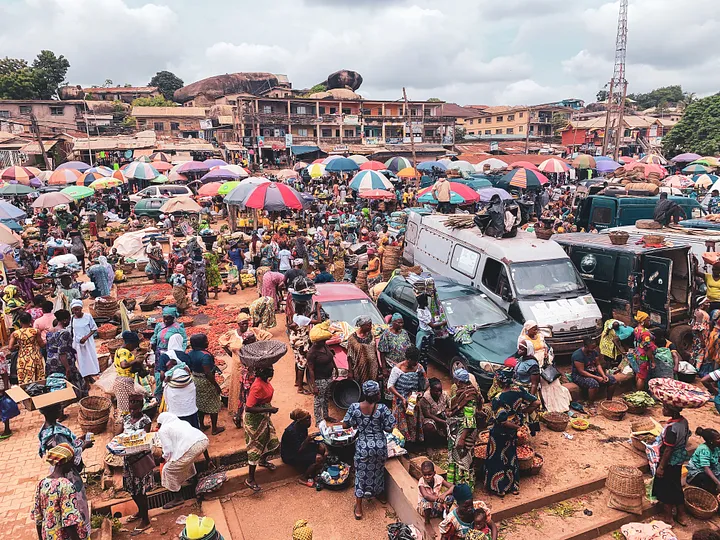
By Soniia David Recently, the concept of decolonisation has been used in a variety of contexts. There have been calls to decolonise academia and knowledge creation, toppling of statues of British imperialists and, lastly, calls to decolonise the aid sector and global health system in response to the COVID-19 pandemic. While decolonisation has been used […]
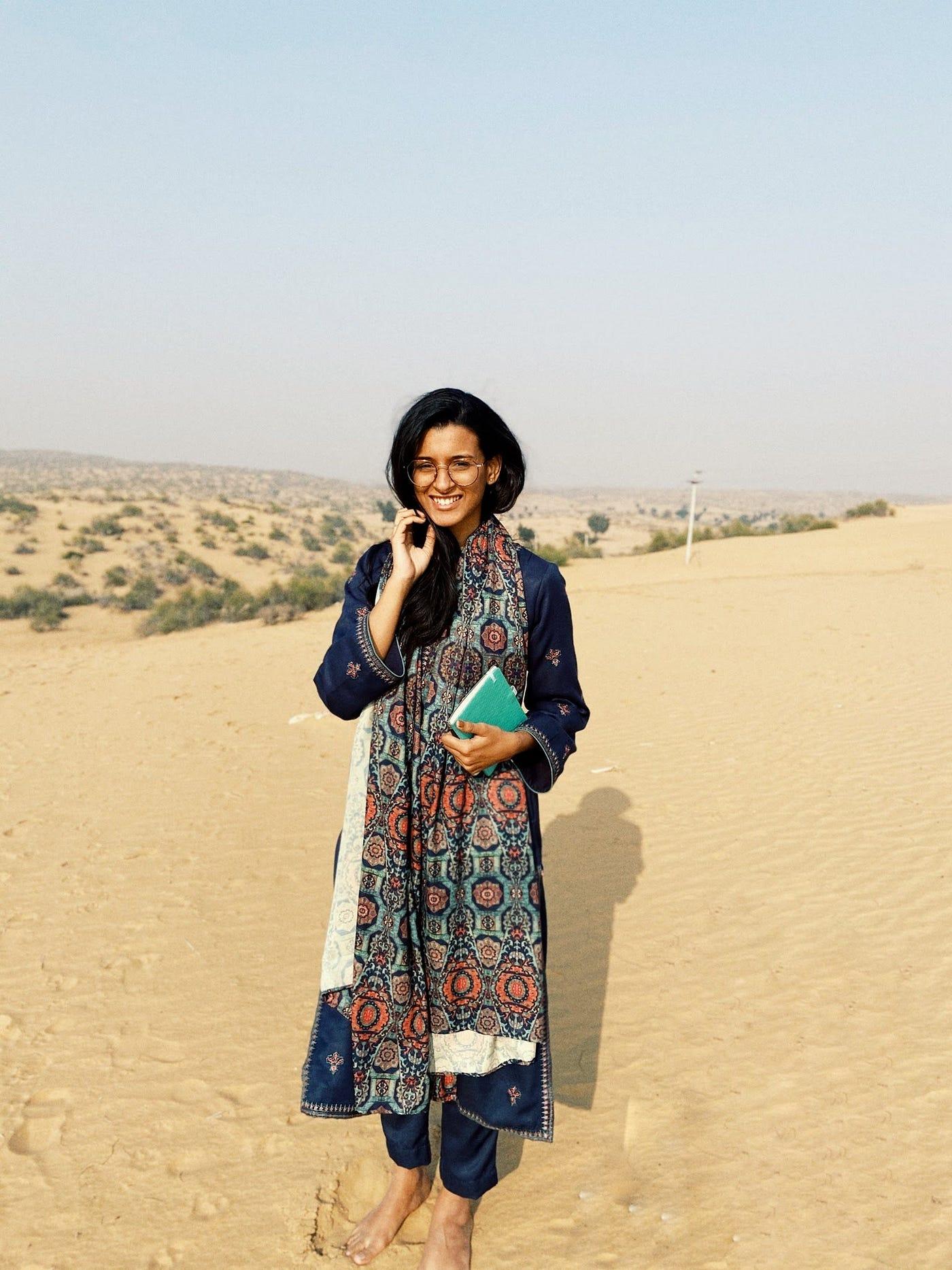
By Kanika Joshi My name and language My family knows me as an independent and ambitious person who is hardworking and follows her passions in life. My parents named me Kanika without much thought; it is a very common name in India and they simply liked it. Over time, being a lover of storytelling and personal […]
As a 100% female-owned social enterprise, this blog is celebrating a pioneering female entrepreneur who is also the Managing Director of the Includovate Research Centre in Ethiopia. Includovate was founded in 2019 in response to poor quality data available on gender norms and the extractive nature of research done in low-income countries. Its mission is […]
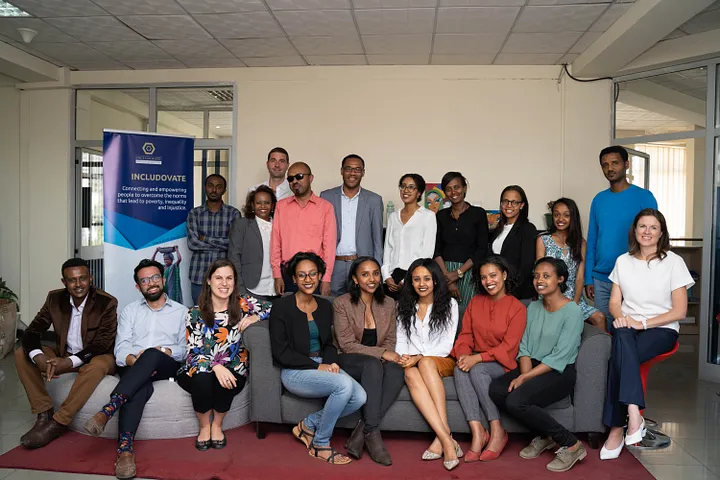
By Ethiopia Lemma Yemiru “My name is Ethiopia and I am from Ethiopia,” was my commonly used icebreaker when I met people as an international student doing my undergraduate in the US. Since I have been back to Ethiopia after graduating with a double major in Gender & Women Studies and Psychology, I have been […]
by Mahider In Ethiopia, women get 120 days of paid maternity leave and men 10 days if in the civil service, (Proclamation №1064/2017 § 42(3) &(10)), and 3 days if in the private sector (Proclamation №1064/2017 § 81(2)). It might not be much of a surprise to find that when it comes to parental leave and who […]

By Kanika Joshi For a researcher in the Global South, working for the development sector more often than not follows a depressingly familiar pattern. Expectation: Set a vision, define a research question, design the methodology, apply for a proposal, get the funding, start the research work, get published, achieve the impact and advocate it sustainably! Reality: Get a […]

By Ashley In an increasingly interconnected world, civil society organisations (CSOs) play a vital role in addressing global challenges, from social justice issues to environmental sustainability. Collaborations between International Non-Governmental Organisations (INGOs) and Global South CSOs have become increasingly common, aiming to combine efforts and resources to effect positive change. However, the question of equity […]
By Wanja Njiriri Language is an essential communication tool for expressing ourselves and interacting with the world around us (Kelly, 2023). It possesses the remarkable capacity to mould our thoughts, emotions, and behaviours, while also contributing substantially to the formation of our cultural identities and life experiences. Furthermore, language holds the potential to both […]
