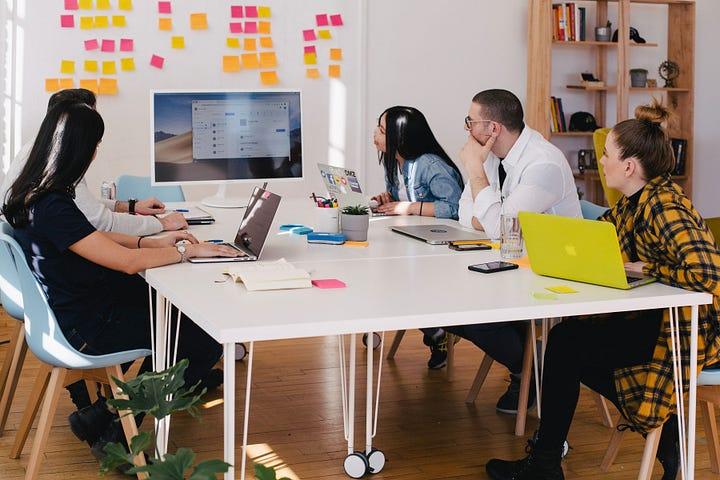
By Irene Nabwire Globally, there are about 150 million children with disabilities below the age of 14 (UNICEF, 2013). Even before the COVID-19 pandemic, education enrolment for children with disabilities was extremely low as compared to children without disabilities. Thus, 65 million disabled learners of primary and lower secondary school age in developing countries were already […]

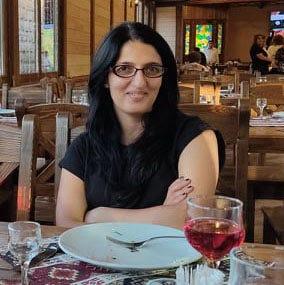
By Izolda Matevosyan I am myself — Izolda: a woman, mum, business development consultant in Yerevan, Armenia. I am a human being, a dreamer; a person who loves this life. I started school in Armenia earlier than others and graduated with honours. Since my school years were during a post-war era, there were not many extracurricular […]
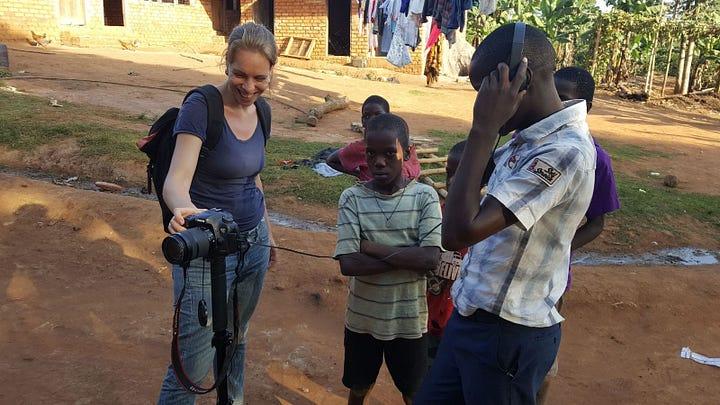
by Manon Koningstein My name is Manon and I work as a Communications Associate at Includovate. Born in the Netherlands, I have lived in Latin America throughout my twenties and am currently living in Southern Spain. I finished a Bachelor’s degree in International Business Communications in the Netherlands, and have a European Master Degree in […]
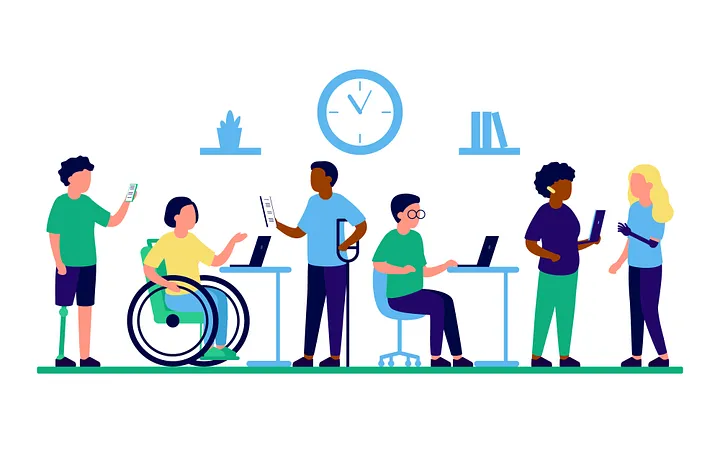
By Christine Peta The International Day of Persons with Disabilities is a United Nations-led day of recognition that takes place every year on 3 December. As we commemorate the day this year under the theme of “Leadership and Participation of Persons with Disabilities towards an Inclusive, Accessible and Sustainable post-COVID-19 World, we take this opportunity to share the […]
What is Open Access? Open access is a publishing model for scholarly communication that makes research information available to readers at no cost. This model contrasts with the traditional subscription model where readers access scholarly articles by paying a subscription (usually via libraries or academic institutions). The primary objective of open access is to increase […]

By Mahider My name is Mahider, and I’m a researcher at Includovate. I’m based in Ethiopia and this is my first time working for an international research incubator. Includovate has a growth mindset and there are always training opportunities and a ‘learning by doing’ culture. I’ve conducted literature reviews before, but never been formally taught […]
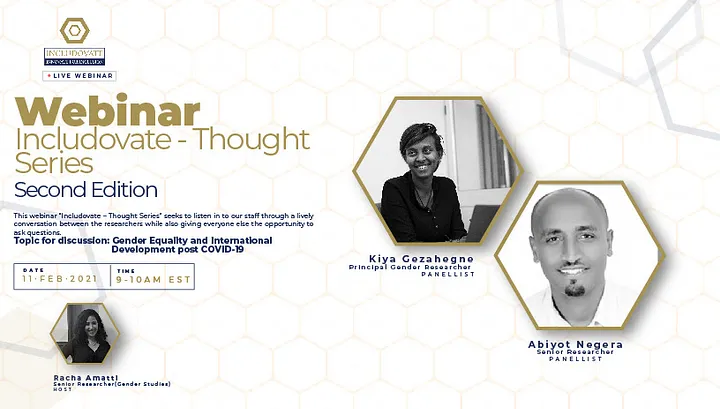
Host: Racha Ammati Panelists: Kiya Gezahegne, Abiyot Negera 11 February 2021 Background The first five webinars of Includovate’s “Thought Series” have looked at different aspects of social inclusion. This sixth and last episode focused on a much more specific issue, which is the status of inclusion as it relates to gender equality and international development post-COVID-19. The […]
I am Camille from Manilla, Philippines. The youngest of 7 siblings, I grew up in Lagos, Nigeria as my parents were assigned there for 18 years as physicians. I must say that my way of thinking was greatly influenced by my dad, the late Dr. Jesus R. Duque Jr. I remember my dad as a […]
By Dr Melissa Langworthy In Ethiopia, gender-based violence (GBV), particularly against women with disabilities, has been exacerbated not only by restrictions imposed due to the COVID-19 pandemic, but also by multiple recent ethnic conflicts and national disasters. In a recent briefing by the Prime Minister Dr Abiy Ahmed in November 2020 he estimates that Ethiopia […]
By Priva Since the adoption of the United Nations Convention on the Rights of Persons with Disabilities (CRPD) in 2006, the world has grappled with the idea of disability-inclusive development. Indeed, much progress has been made in the replacement of the charity[1] and medical[2] models of disability with the social[3] model. According to the social model, persons with disabilities […]