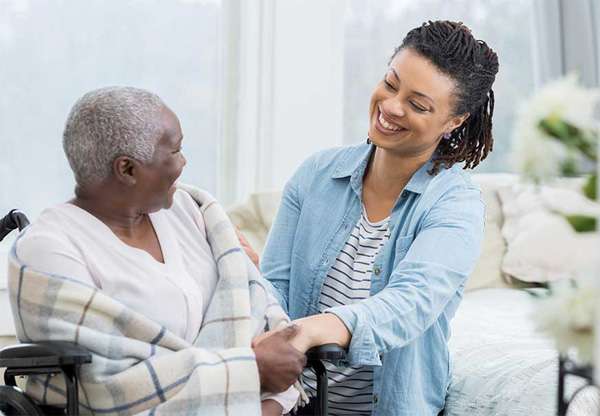
By: Tsion Molla from Addis Powerhouse, Dr. Konjit Hailu from Includovate, Florence Ndagire from Includovate, and Dr. Shadia Nassar from Includovate. This blog explores the meaning of unpaid care work and its impact on women generally and women with disabilities. It highlights the intersectionality of women and unpaid care work, the influence of policies on […]
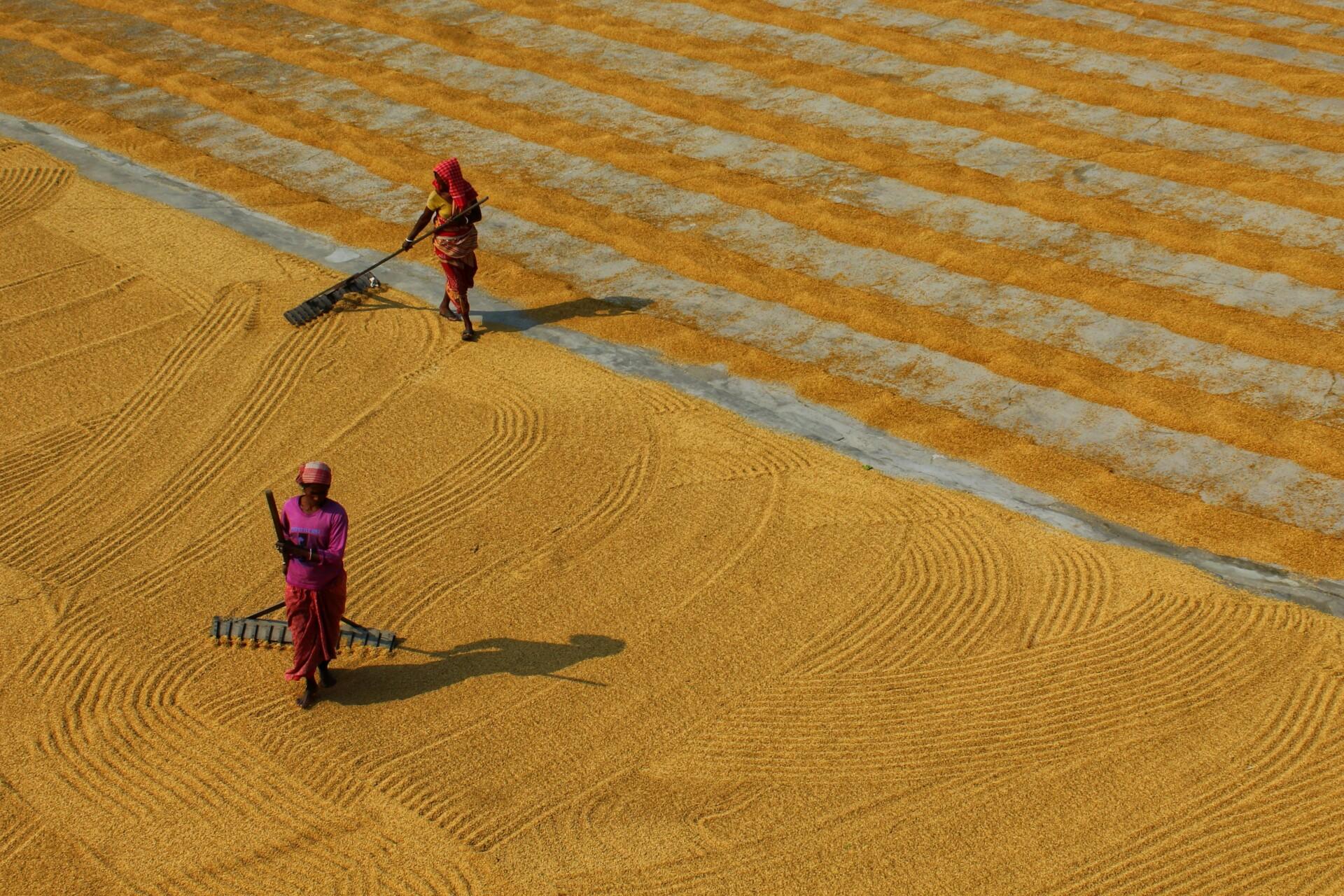
By Shadia Nassar, Includovate Principal Researcher (Evaluation) Welcome to our blog dedicated to shedding light on one of the most pressing issues of our time gender-based violence (GBV) in the agrifood system, which was the main topic discussed in the virtual webinar Breaking the Silence – Addressing sexual harassment and other forms of gender-based violence […]
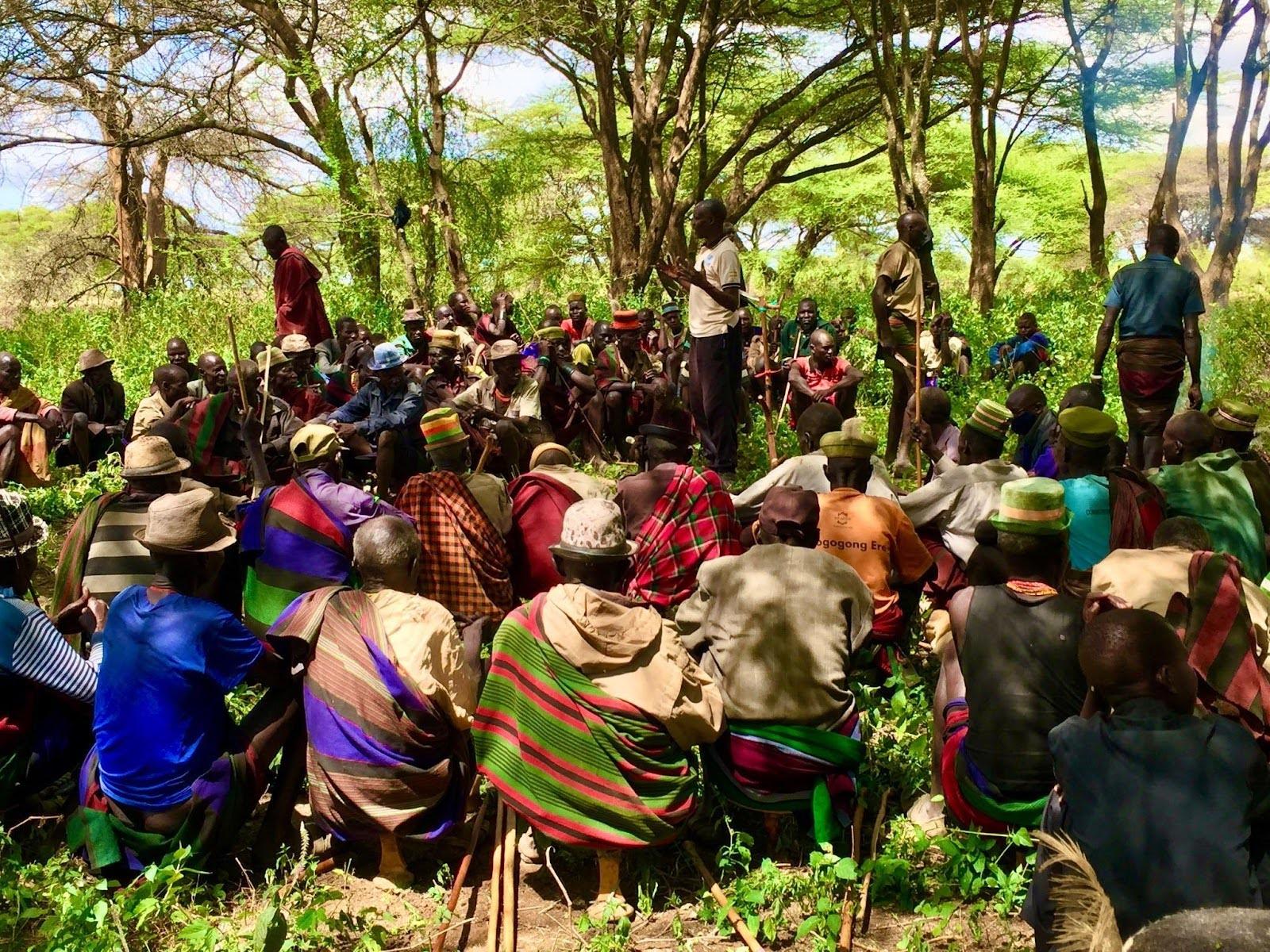
By Emmanuel Kodwo Mensah, Senior Associate Researcher, Includovate and a member of the Uganda Ministry of Health’s Technical Working Group on Male Engagement “Achieving gender equality is recognised as a societal responsibility that concerns and should fully engage men and as well as women and girls and requires partnerships between women and men”. Commission on […]
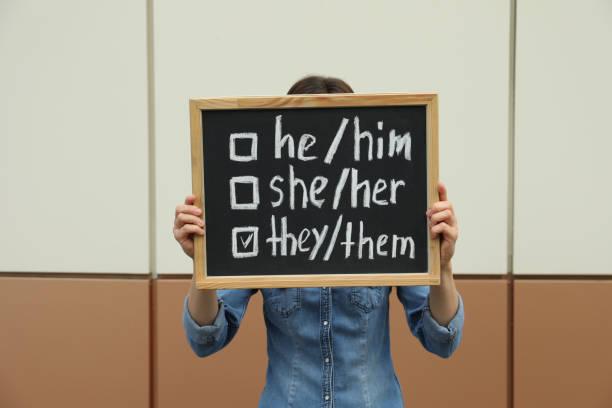
By Mariette Correa The first time I came across preferred pronouns in person was when I was working with LGBTQ groups on issues related to HIV/AIDS. Before that, novels and style manuals had been my only exposure to such a concept, being defined as “the pronoun that an individual would like others to use when […]
Gender-based violence (GBV) is defined by the Office of the United Nations High Commissioner for Refugees (UNHCR) as “harmful acts directed at an individual based on their gender” (UNHCR, n.d.). For organisations, researchers, and activists to take part in the fight against GBV, being able to collect, store, and analyse data from the survivors of […]
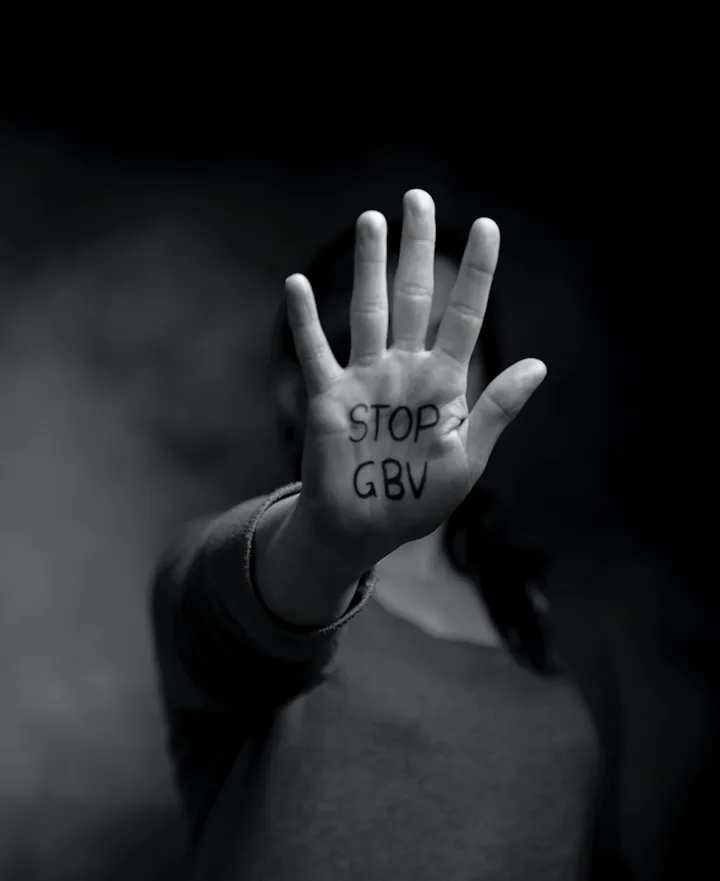
By Zanta Messele During these 16 days of activism, we have to remember that the structures that maintain patriarchy in a country like Ethiopia cannot be dismantled in 16 years, let alone 16 days. I grew up learning to accommodate the male gaze, ego and desires by protecting myself against them. This needs to change but […]
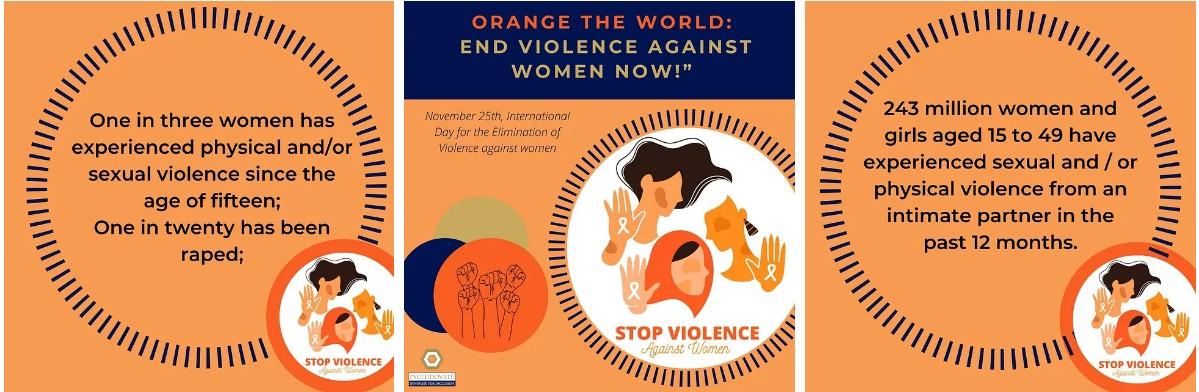
By Ethiopia Lemma Yemiru “My name is Ethiopia and I am from Ethiopia,” was my commonly used icebreaker when I met people as an international student doing my undergraduate in the US. Since I have been back to Ethiopia after graduating with a double major in Gender & Women Studies and Psychology, I have been […]
By Raji Sharma, Associate Researcher at Includovate The Covid-19 pandemic and the ensuing lockdowns have had a devastating effect on communities and economies throughout the world. Exacerbating existing inequalities, the pandemic has exposed unique challenges that require joint efforts by governments, development practitioners and civil society actors. One such impact is the spike in child […]

The COVID-19 pandemic has brought about numerous adjustments to social interactions the world over. Since February 2020, communities around the globe have withdrawn into social isolation and remote work, while scientists scramble for short-term and long-term interventions. Public health experts have advised simple measures that individuals can take, including the frequent washing and sanitizing of […]
This blog interviews Dr. Befikadu Esayas, an Inclusive Ecosystems Researcher and former chair of Includovate’s ethical review board. This interview is for a blog series that reflects upon the impacts of the COVID-19 in Africa on research work at Includovate. How will research change post-COVID-19? Research will change because of the COVID-19 pandemic and social distancing […]