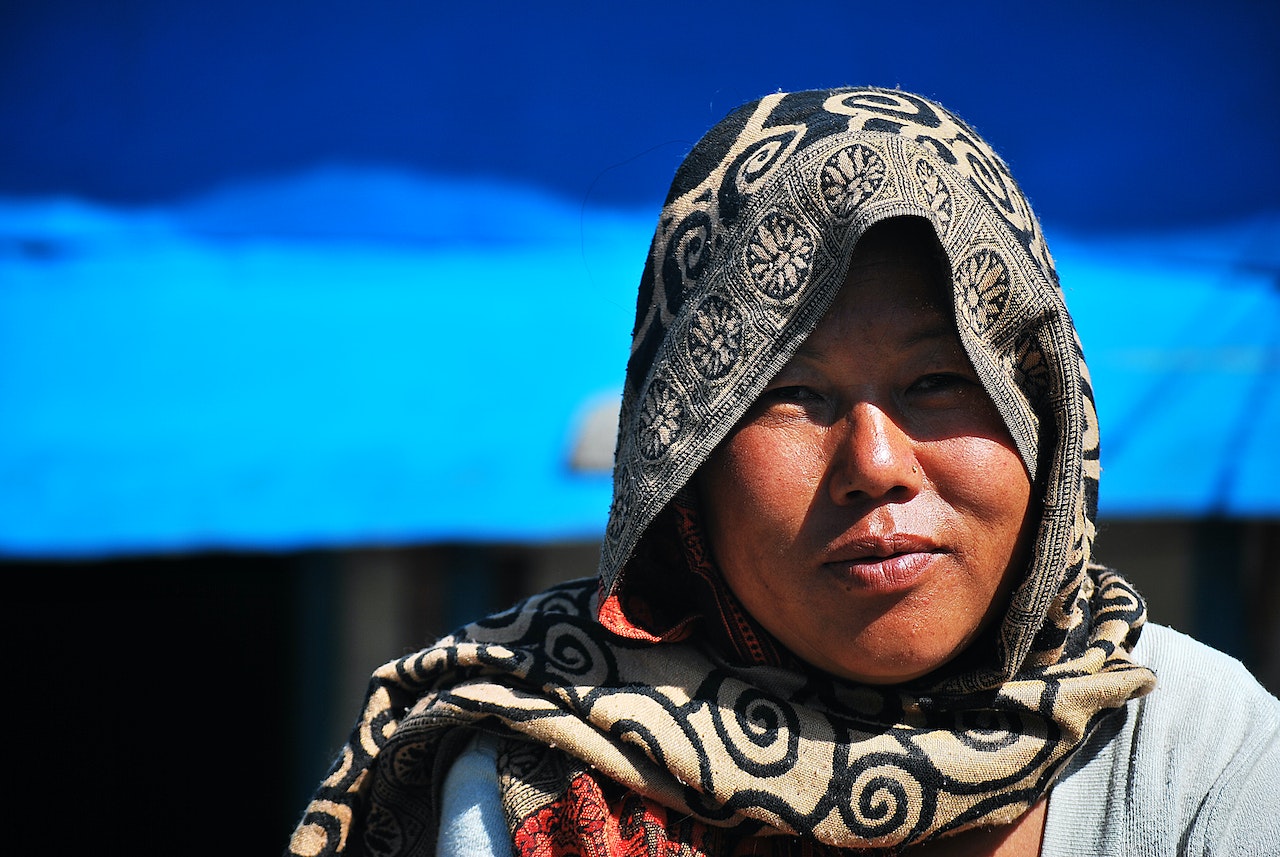
by Mahider In Ethiopia, women get 120 days of paid maternity leave and men 10 days if in the civil service, (Proclamation №1064/2017 § 42(3) &(10)), and 3 days if in the private sector (Proclamation №1064/2017 § 81(2)). It might not be much of a surprise to find that when it comes to parental leave and who […]

By Wanja Njiriri Language is an essential communication tool for expressing ourselves and interacting with the world around us (Kelly, 2023). It possesses the remarkable capacity to mould our thoughts, emotions, and behaviours, while also contributing substantially to the formation of our cultural identities and life experiences. Furthermore, language holds the potential to both […]

By Ashley Mutiso, Chief of Staff and Impact Manager, Includovate
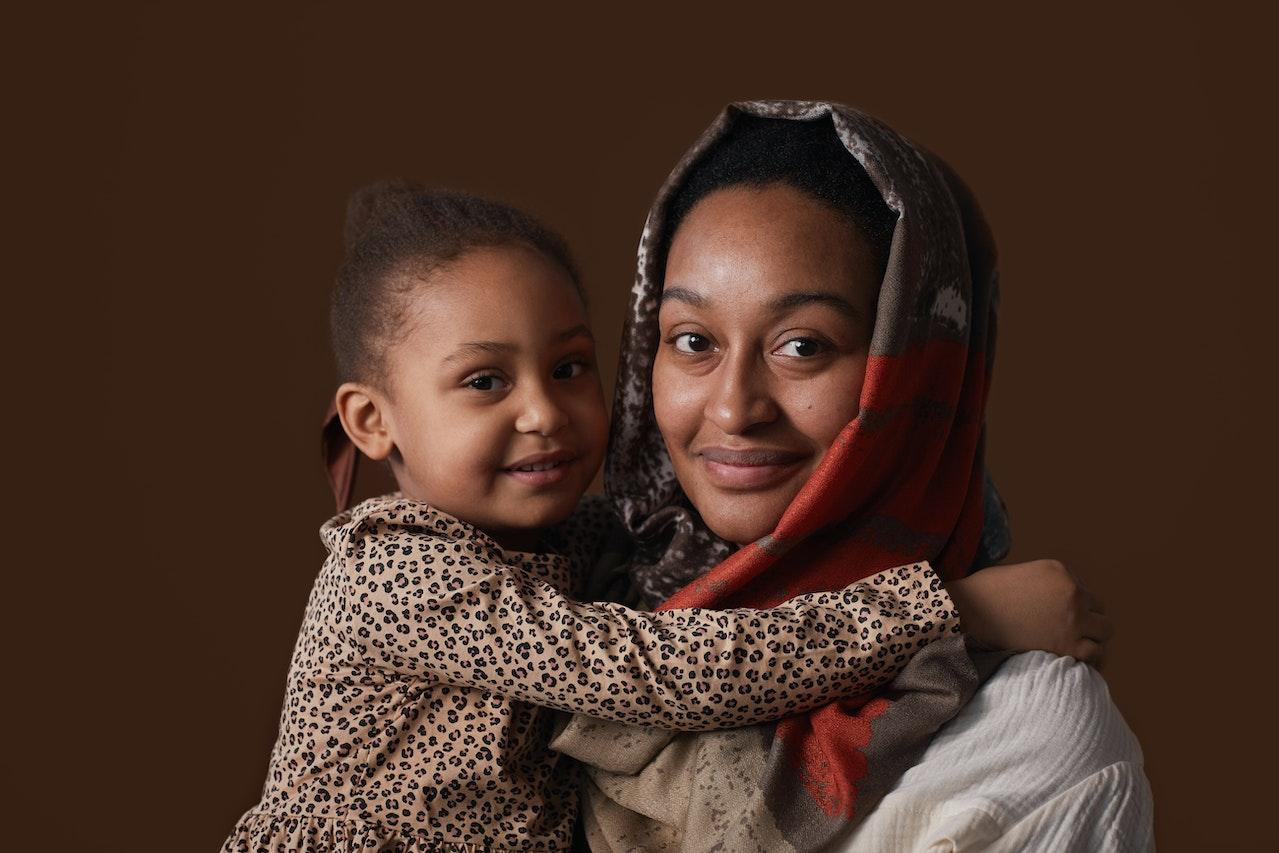
By Raji Sharma, Associate Researcher at Includovate The Covid-19 pandemic and the ensuing lockdowns have had a devastating effect on communities and economies throughout the world. Exacerbating existing inequalities, the pandemic has exposed unique challenges that require joint efforts by governments, development practitioners and civil society actors. One such impact is the spike in child […]

Ethiopia announced a phased reopening of schools starting from October 19, 2020. The Ethiopian Ministry of Education said that 30% of all public schools in the country, except those found in Addis Ababa and its surroundings, would reopen provided that they met COVID-19 health and safety guidelines, such as ability to provide face masks and […]
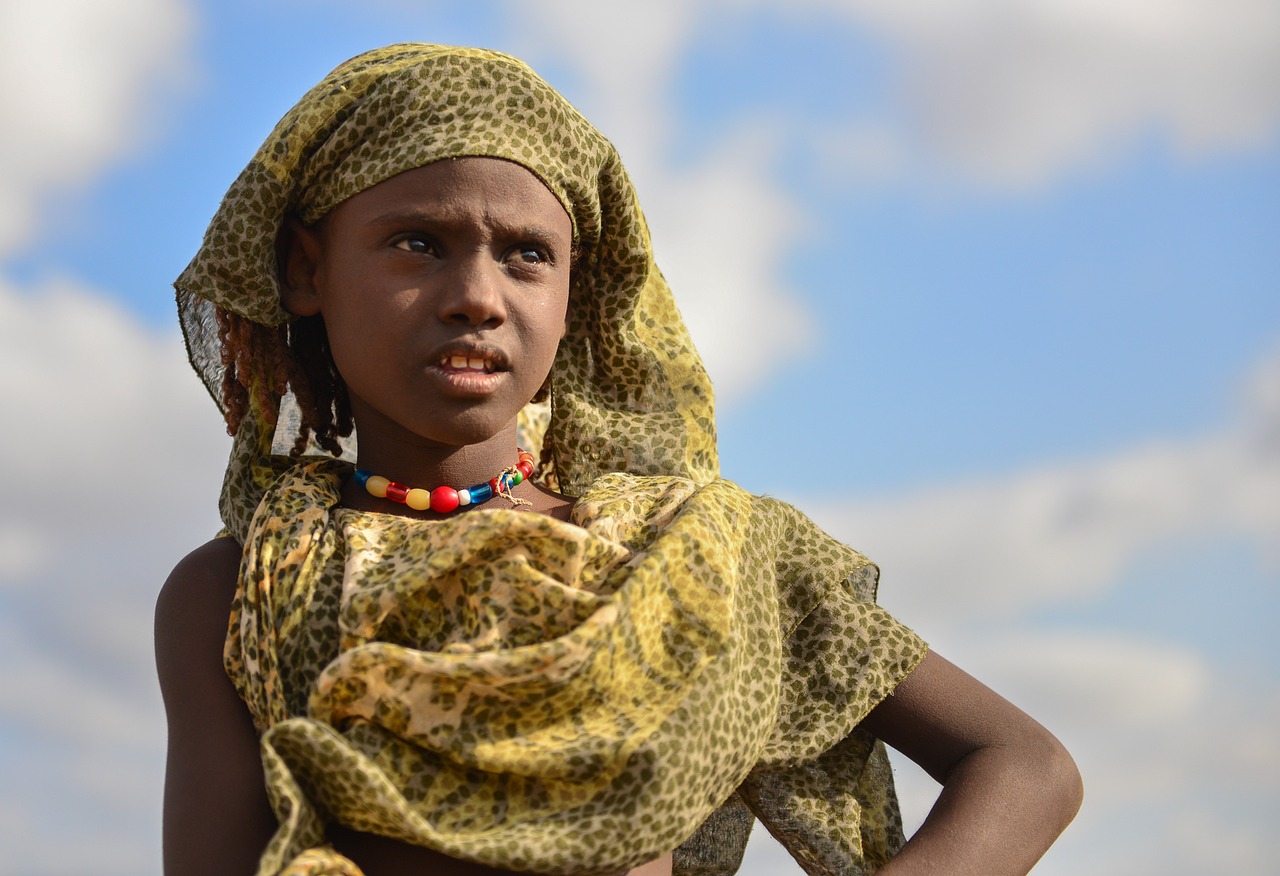
A few months ago, I went on a data collection assignment as part of a national consultation team to study specific barriers and constraints faced by Ethiopian women. I was excited for the task because I believe every data collection process is an opportunity to navigate a different environment and gain further insight into people’s […]

Quality survey questions are extremely important. While cognitive interviewing can help refine survey questions for endogenous comprehension, questions relating to autonomy and norms require even more careful consideration. In the original Women Empowerment in Agriculture Index (WEAI), the autonomy indicator is collected using a set of questions about motives for decisions. Let us consider the following WEAI […]

The way relationships are important for understanding women empowerment was explored in the previous blog. This blog explores a method used to probe more deeply on comprehension of survey questions and to gather information on perceptions. Cognitive interviewing is an evidence-based, qualitative method to assess participants’ understanding of survey questions before the survey is administered. Cognitive interviews […]
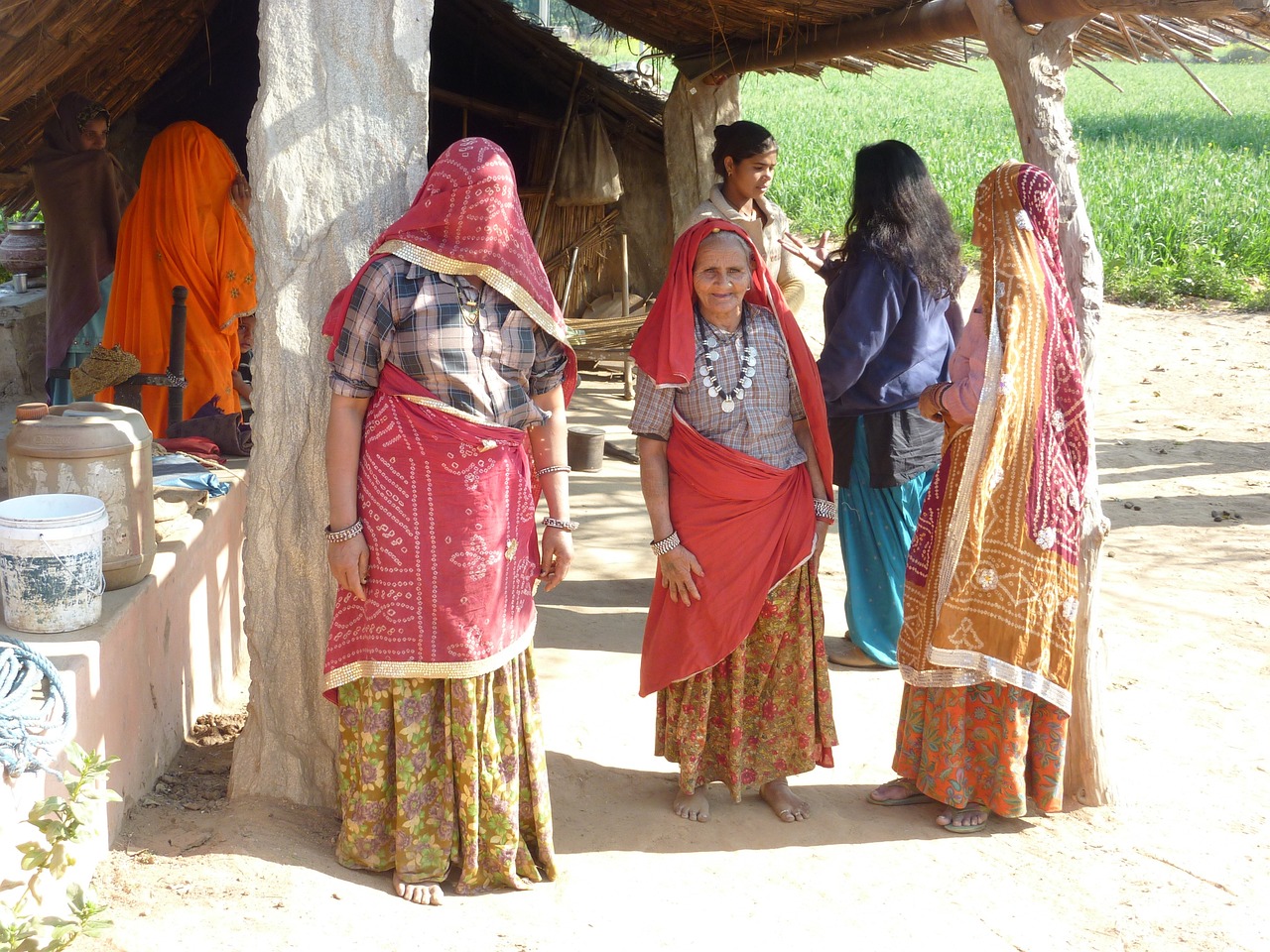
Many empowerment measures used in economic programs wish to claim that they economically empower women. In line with capitalism, these programs take a neo-liberal rational actor perspective where individuals happily acquire income for themselves. In reality, many people in low-income countries live community based lives and live under the same roof with their extended family. Their consciousness is bound […]