
By: Dr. Gisela Carrasco-Miró – Principal Researcher in Gender Equality and Social Inclusion (GESI) Feminism is not just a set of ideas or a point of view; it is a political practice—a movement with the power to transform the world. Feminism reimagines the future. But what does this mean in practice? Are feminist futures possible? […]

By: Kashaf Alvi – Includovate’s Ambassador What if the ultimate prize in life isn’t victory over others, but the victory of love, unity, and inclusion? What if the race is not about who finishes first, but about crossing the finish line together, in solidarity, with everyone’s hand in the air, rejoicing in the shared triumph […]

By: Kashaf Alvi – Includovate’s Ambassador Hollywood’s idea of disability is like a broken pencil—pointless and in desperate need of a sharp new perspective. For too long, disabled characters have been boxed into damaging stereotypes—villains or objects of pity. Hollywood’s portrayal of disabled characters has long been trapped in stereotypes, casting them as villains or […]

By Natalia Pastori Cubelo – Senior Associate Researcher at Includovate Natalia Pastori Curbelo is an Associate Researcher at Includovate originally from Uruguay but currently living in Brazil. Natalia’s journey speaks into the lives of not only researchers but also anyone looking to advance their careers in fields that are new to them. She introduces us […]
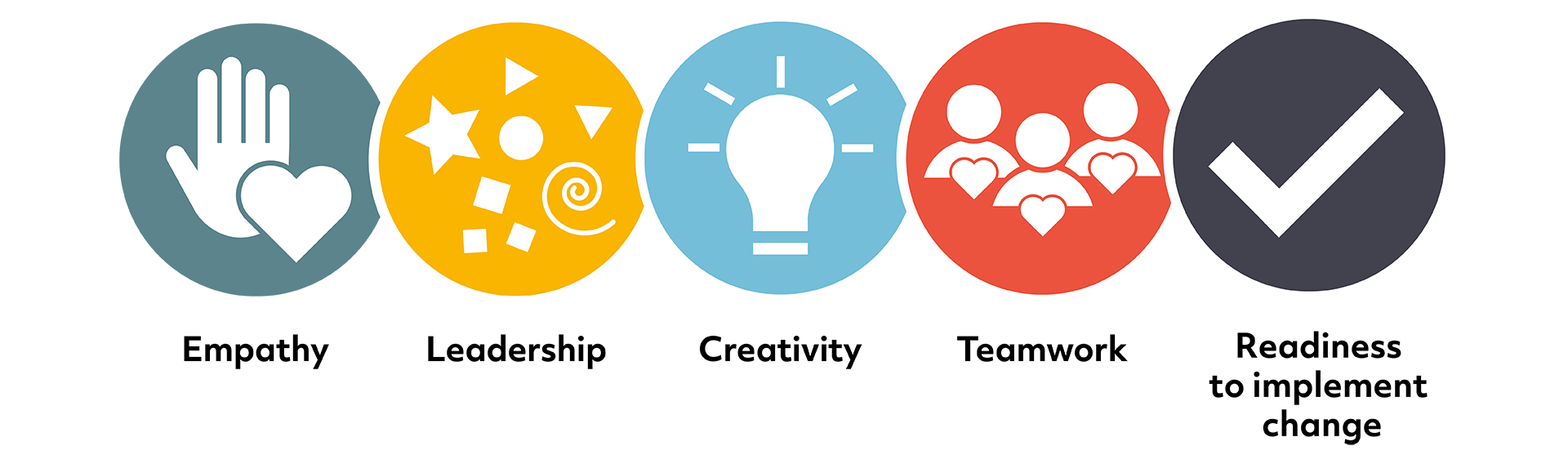
By: Rawiah F. Naoum – DEI Programs Manager at Includovate In this fast-changing world, innovation is critical to the success of organisations. With the generation of “Gen Z” obsessed with technology and considered the tech-savvy and purpose-driven generation joining the workforce, it’s more crucial than ever for companies to adapt to their needs. According to […]

By: Inclduovate Team As researchers in the development space, we’re all too familiar with the critical role that ethical considerations play in our work. Whether you’re conducting clinical trials, interviews, surveys, or behavioural studies, navigating the landscape of Human Research Ethics Committees (HRECs) and Institutional Review Boards (IRBs) is an essential part of our research […]

By: Tsion Molla from Addis Powerhouse, Dr. Konjit Hailu from Includovate, Florence Ndagire from Includovate, and Dr. Shadia Nassar from Includovate. This blog explores the meaning of unpaid care work and its impact on women generally and women with disabilities. It highlights the intersectionality of women and unpaid care work, the influence of policies on […]

By: Dr. Shadia Nassar – Principle Researcher (Evaluation) Outcome Harvesting is an evaluation approach that allows us to retrospectively identify emergent impact by collecting examples of what has changed in “behaviour writ large” (actions, relationships, policies, practices) and then work backwards to determine whether, and how an intervention has contributed to these changes. Some people may ask, […]
By: Natalia Pastori Curbelo– Senior Associate Researcher Localisation has been a prominent topic of discussion since 2016. But what does it mean, and why should we care? This blog explores these questions, highlighting how small, local evaluation firms can be crucial in advancing the localisation agenda. Understanding localisation Localisation has been at the forefront of […]

By: Kashaf Alvi – Includovate’s Ambassador Language shapes our reality. The words we choose have the power to build bridges or create barriers, to uplift or to diminish. This is especially true when it comes to how we speak about people with disabilities. Phrases like “falling on deaf ears” or “wheelchair-bound” may seem harmless to some, but […]
