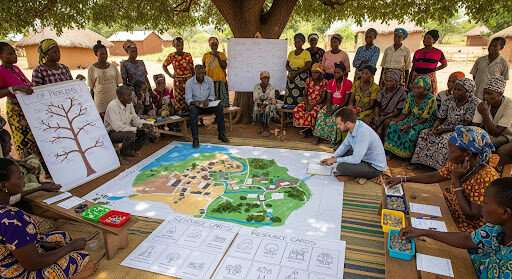
Andrea Mrazova Introduction I have been questioning how mainstream research methods, as promoted by Western or Global North institutions, align with or serve the needs of Indigenous populations. One of the organisations active in the field is Australia’s National Research Organisation for Women’s Safety Limited (ANROWS) The work of this organisation inspired me to think […]

Dr. Kristie Drucza and Kate Learmonth Anti‑gender movements are reshaping policy environments in ways that directly affect the impact and sustainability of donor investments in sexual and reproductive health and rights (SRHR) (Corredor 2019; IPPF 2024). Yet work from Latin America, Europe and the Asia Pacific shows that with the right strategies, funders can still […]
Dr. Kristie Drucza Allies And Accomplices In International Development International development feels different now. For many of us, the last few years have been bruising. The era of expansive US development funding is over, and nothing has neatly replaced it. Long‑promised commitments to localisation and decolonisation still jostle with shrinking budgets, securitised agendas and culture‑war […]

Dr. Kristie Drucza Gender based violence is one of the clearest daily violations of women’s rights, yet it remains one of the least funded areas of international development (SVRI, 2022). Decades of feminist research show that violence against women is not inevitable; it is produced by unequal power relations, harmful gender norms and economic systems […]
Dr. Kristie Drucza If you care about genuine gender equality, decolonial research, and shifting power to local experts, this blog is for you. Imagine a world where research about women, young people, people with disabilities, Indigenous peoples, and other marginalised groups is actually led by them. Where consulting profits don’t just disappear into overheads, but […]
Dr. Kristie Drucza Over the past decade, a well‑organised (but not centralised) “anti‑gender” movement has become a significant global challenge for gender equality, reproductive rights, and LGBTQI rights (Korolczuk et al., 2025; Global Philanthropy Project, 2021). It is already influencing politics, media, and everyday life across Asia‑Pacific, Europe, Latin America, and beyond, reshaping the environments […]

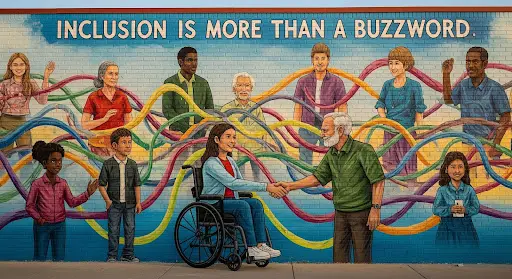
Dr. Kristie Drucza Inclusion is more than a buzzword or a compliance exercise; it is a win‑win strategy that helps organisations perform better and makes work feel fairer, safer and more human for everyone (Diversity Council Australia, 2025). In a world where powerful leaders and anti‑rights movements are rolling back equality, choosing inclusion is both […]
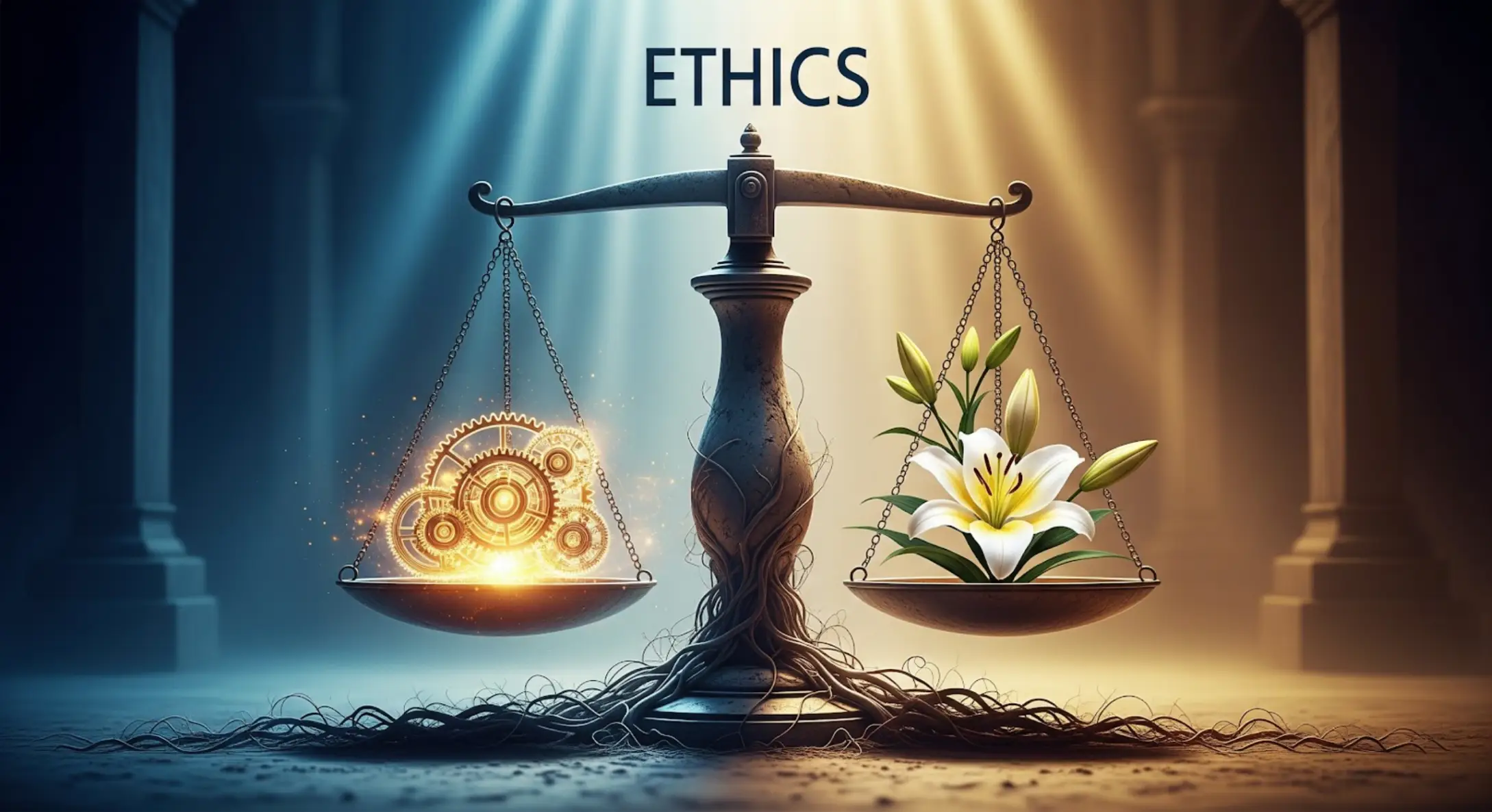
By Melissa Langworthy, Andrea Mrazova and Natalia Curbelo Thousands of institutional ethical review boards (IRBs), human research ethics committees (HRECs), and other ethical review institutions operate worldwide. In the United States, over 2,300 IRBs are run by more than 1,800 organisations, with most based in universities. Of those registered with the Office of Human Research […]
You have heard of business incubators before, but research incubation … that is new. Just like how a business incubator develops business acumen, Includovate develops research competencies through a structured research incubation model. Includovate’s research incubator model Includovate supports early-career researchers and marginalised researchers through an integrated research incubator model that combines training, mentoring, leadership […]

In the realm of international development and social research, persistent gaps often hinder truly impactful work. Traditional approaches can overlook crucial perspectives, leading to research that is disconnected from the realities it aims to address. At Includovate, we are committed to transforming research practices by actively addressing these critical shortcomings. Here’s how Includovate is making […]