
Social/Gender Norms
Understanding the Invisible Rules That Shape Lives
Social norms are the unwritten rules of behaviour that guide how individuals act, interact, and relate to each other within a community. They are shaped by shared beliefs, expectations, and informal sanctions, and they influence everything from daily routines to lifelong aspirations. According to Bicchieri (2006), a social norm exists when individuals believe that most people in their group conform to a behaviour (empirical expectation) and most people in the group think one ought to conform (normative expectation). These norms are powerful because they are internalised and often remain unchallenged.
While some norms support social cohesion, others reinforce inequality and injustice —particularly for those at the margins: women, youth, people with disabilities, and ethnic or sexual minorities.
Gender Norms: Power in Disguise
Gender norms are among the most deeply entrenched. They shape perceptions of masculinity and femininity, determining who holds power, whose voices are heard, and whose are silenced. These norms assign roles, limit choices, and reproduce inequalities from early childhood. A girl may be discouraged from studying science; a boy may be told not to show emotion; a child with a disability may be excluded from school—not by law, but by perception.
At Includovate, we ask:
- Who defines what is ‘appropriate’ for each gender?
- Who benefits from these definitions?
- What are the real costs—to individuals, communities, and societies from these norms?
The Uneven Impact of Norms
Social norms do not affect everyone equally.
- Young people may be dismissed as inexperienced, limiting their voice in civic or policy spaces.
- People with disabilities often face stigma that restricts autonomy and inclusion.
- LGBTQIA+ individuals may encounter silent codes that marginalise them from public life.
Even well-intentioned norms can uphold outdated systems of power. That is why identifying and shifting harmful norms is crucial to building inclusive and equitable societies.
How Do Norms Change?
Norm change is complex, contextual, and rarely linear. At Includovate, we apply a nuanced social norms framework rooted in theory and practice. This includes:
- Normative expectations – What do people believe others expect of them?
- Empirical expectations – What do they observe others doing?
- Personal normative beliefs – What do they think is right?
- Sanctions and rewards – What are the social consequences of conforming or resisting?
- Observed behaviours – What is actually being done?
Shifts happen when individuals and communities begin to question, resist, or reinterpret norms. This often occurs through education, dialogue, role models, or collective action.
For example:
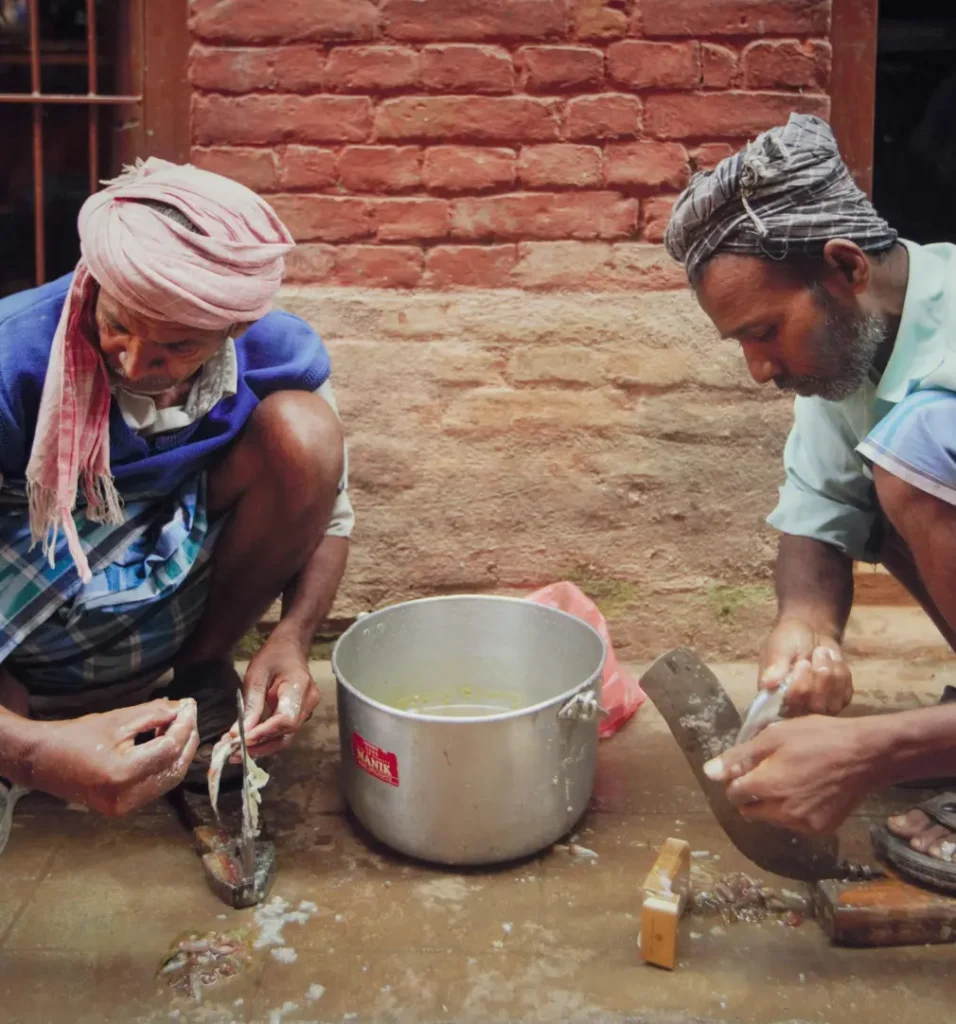
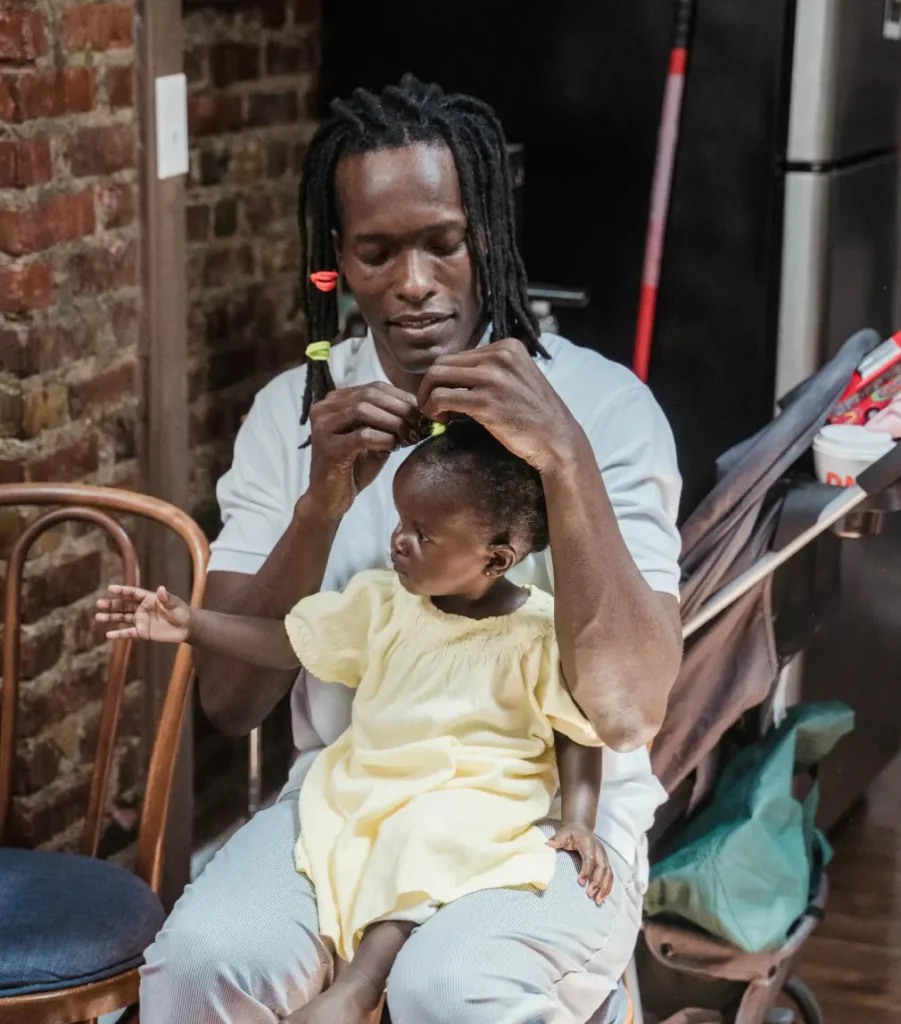
In one study, it showed that community members thought men should not perform unpaid care and domestic work because society would laugh at them and tease them – it was women’s work. Our study showed that men did do unpaid domestic work and considered it as helping their spouse. However, they hid this publicly, perpetuating the norm that men don’t do domestic work. Our study revealed that many men did do domestic work and that it was particularly acceptable if their spouse was pregnant or breastfeeding. By sharing the findings back with the community, men realised that normative expectations were incorrect. They thought other men didn’t help and that people expected them not to help, when in fact all men did help sometimes. This knowledge helped to shift the norm that men should not do domestic work and that they would be ridiculed if others found out.
Our Approach:
Transforming Norms from Within
Social norms do not affect everyone equally.
Participatory
Rooted in local voices and lived experiences
Evidence-based:
Informed by rigorous qualitative and participatory research
Context-driven:
Embedded within cultural, political, and social realities
Transformative:
Aimed at addressing not only behaviours, but the power structures behind them
By unpacking and reshaping social and gender norms, we work towards a world where all individuals—regardless of identity or ability—can thrive with dignity and equal opportunity.
Track Record of Social Norms Work
- Influencing policymakers through bespoke methods that measure empowerment
- Transforming Organisational Practice through Gender Sensitisation Training
- Transforming Practice through Gender Participation
- Strengthening GEDSI Action Planning Through Inclusive Gap Analysis
- Adolescent-Led Evidence for Action: Advancing Menstrual Health Solutions