Inclusive And
Sustainable Ecosystems
Inclusive and Sustainable Ecosystems, Agriculture and Markets
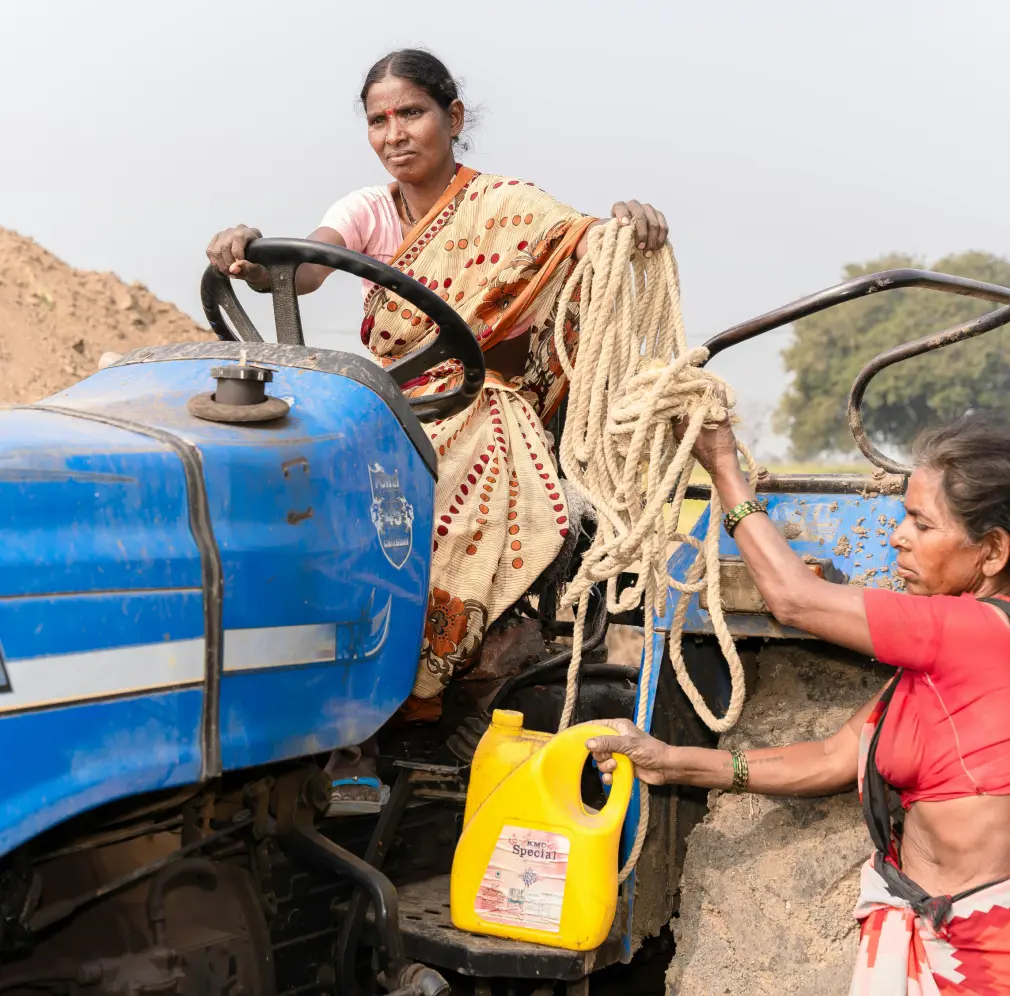
Inclusive and Sustainable Ecosystems, Agriculture and Markets refers to development approaches and systems that aim to promote environmental sustainability, social inclusion, and economic equity in agriculture and related markets. The focus is on creating ecosystem and market conditions that are both ecologically responsible and accessible to marginalised and vulnerable groups, such as small-scale farmers, women, and indigenous communities. These approaches balance productive agriculture with long-term resource stewardship and equitable participation in markets.
Key Elements:
Inclusive ecosystems:
Managing natural resources and agricultural landscapes in ways that support biodiversity, soil health, water conservation, and climate resilience, while ensuring all community groups benefit fairly from ecosystem services.
Sustainable agriculture:
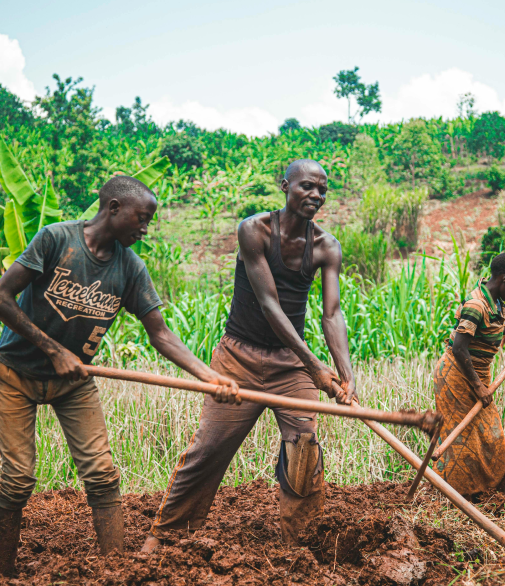
Employing farming practices that maintain productivity and profitability over time without degrading the environment or exhausting resources. This often includes diversified cropping, reduced chemical inputs, agroforestry, and climate-smart techniques.
Inclusive markets:
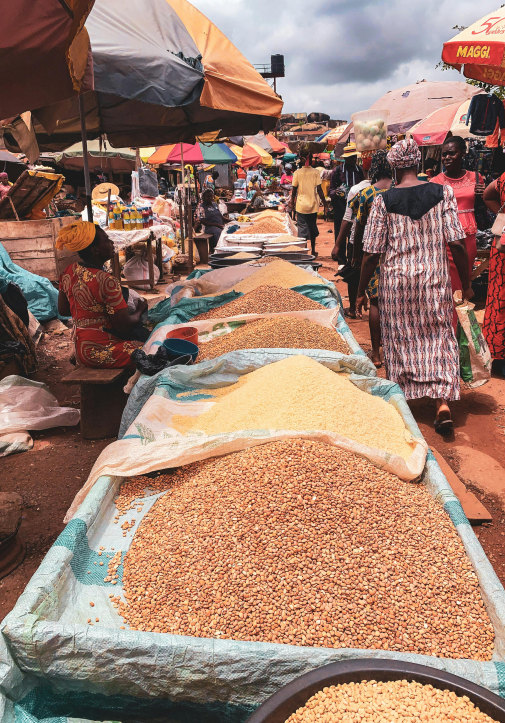
Developing market systems that enable equitable access to resources, inputs, services, finance, and fair trade opportunities for disadvantaged producers and enterprises, particularly women and marginalised groups. It involves removing social and economic barriers to participation and building supportive value chains.
Why It Matters:
The concept of Inclusive and Sustainable Ecosystems, Agriculture and Markets integrates environmental stewardship with social justice and economic development in agriculture and related markets, ensuring that ecosystems remain healthy, agricultural production is sustainable, and economic opportunities are accessible and fair for all—especially marginalised populations. Inclusive and Sustainable Ecosystems, Agriculture and Markets:
- Supports resilient livelihoods by improving the income and well-being of smallholder farmers and rural communities.
- Tackles gender and social inequalities in agriculture and market participation.
- Enhances food security and nutrition with sustainable land use.
- Contributes to climate change adaptation and mitigation through conservation and sustainable farming.
At Includovate, we examine how structural inequalities shape access to land, water, crops, digital tools, markets, and green opportunities. Our research prioritises dignity, resilience, and locally driven innovation. Equity, participation, and sustainability are central to how ecosystems, agriculture, and markets should function in today’s world.
Agriculture and Water: Core to Resilience
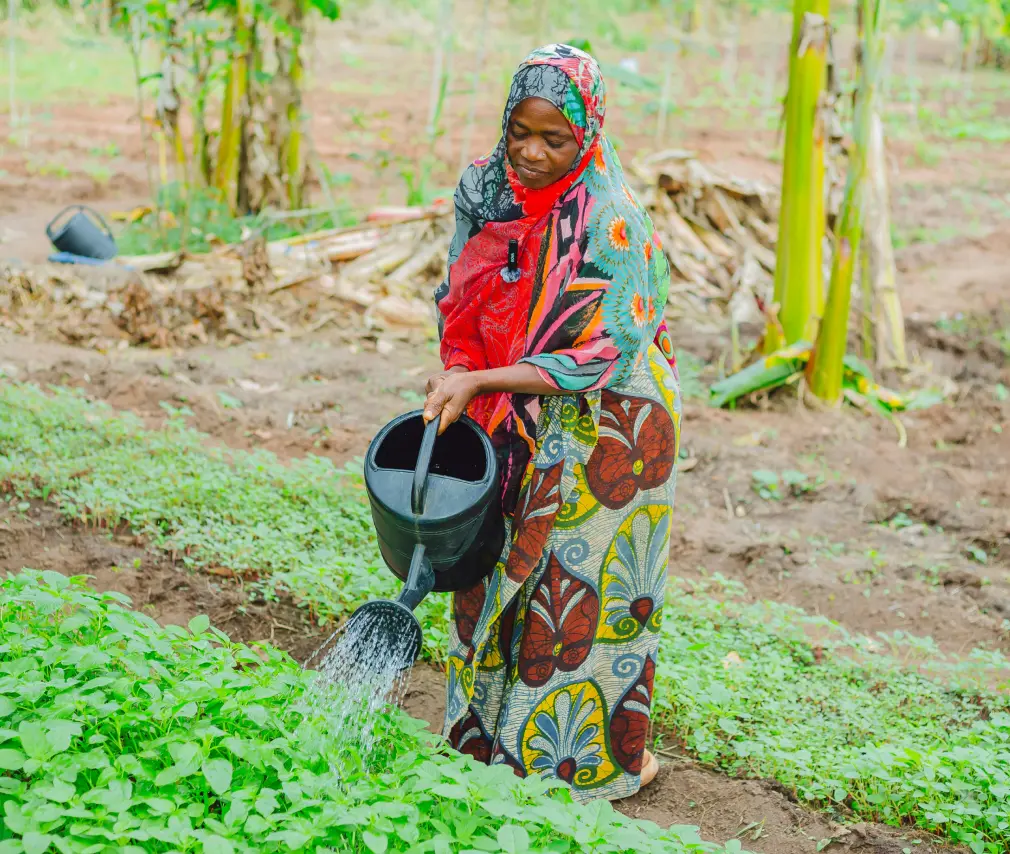
Agriculture and water are fundamental to food security and climate resilience — yet remain among the most exclusionary sectors.
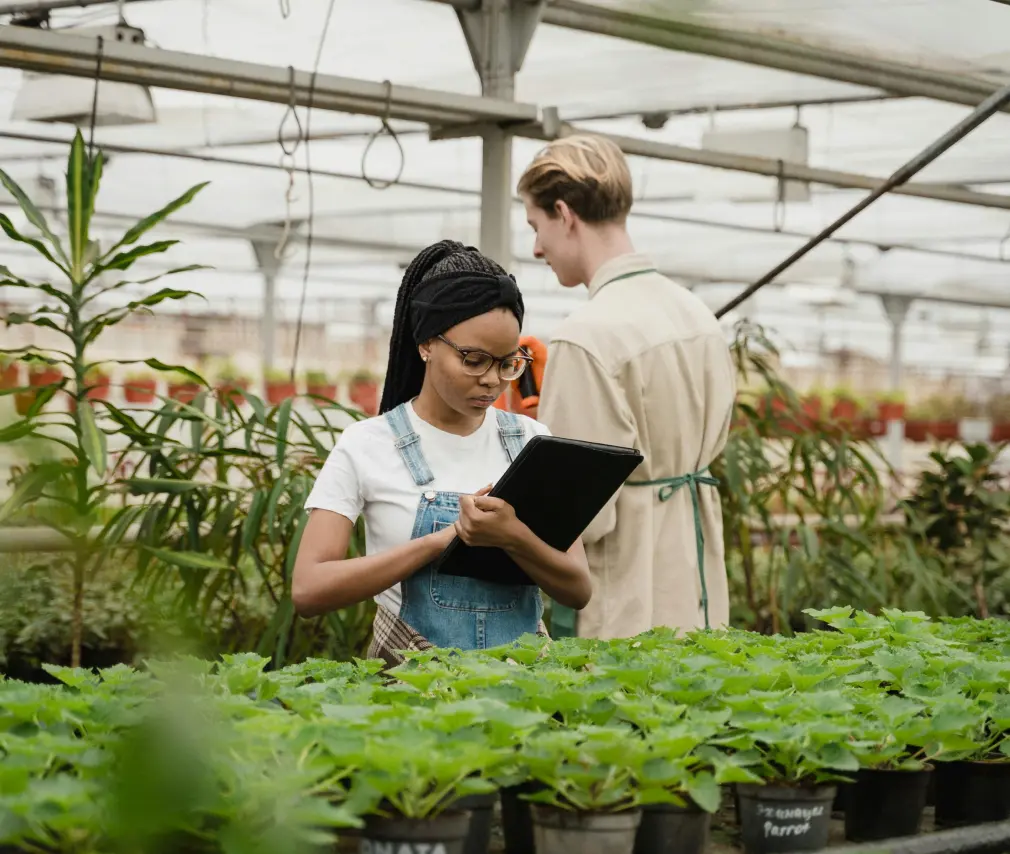
Inclusive agriculture means ensuring that smallholder farmers, especially women and young people, have access to markets, technologies, and decision-making processes. It also requires moving beyond productivity to focus on equity, ecosystem health, and food sovereignty.
In water systems, inclusion demands universal access to clean water and sanitation, alongside transparent and participatory governance. Historically marginalised groups must have a voice in decisions that affect their lives and environments.
Inclusive Digital Economy
An inclusive digital economy requires investments in infrastructure, affordability, and connectivity in underserved areas. However, access alone is not enough. For digital inclusion to lead to meaningful empowerment, it must also involve:
- Digital literacy and skills development, particularly for women, youth, and marginalised groups
- Support for inclusive digital entrepreneurship
- Policies and platforms that reduce digital inequalities and foster safe online participation
This approach transforms access into agency, enabling diverse communities to thrive in the digital age.
Inclusive Green Economy
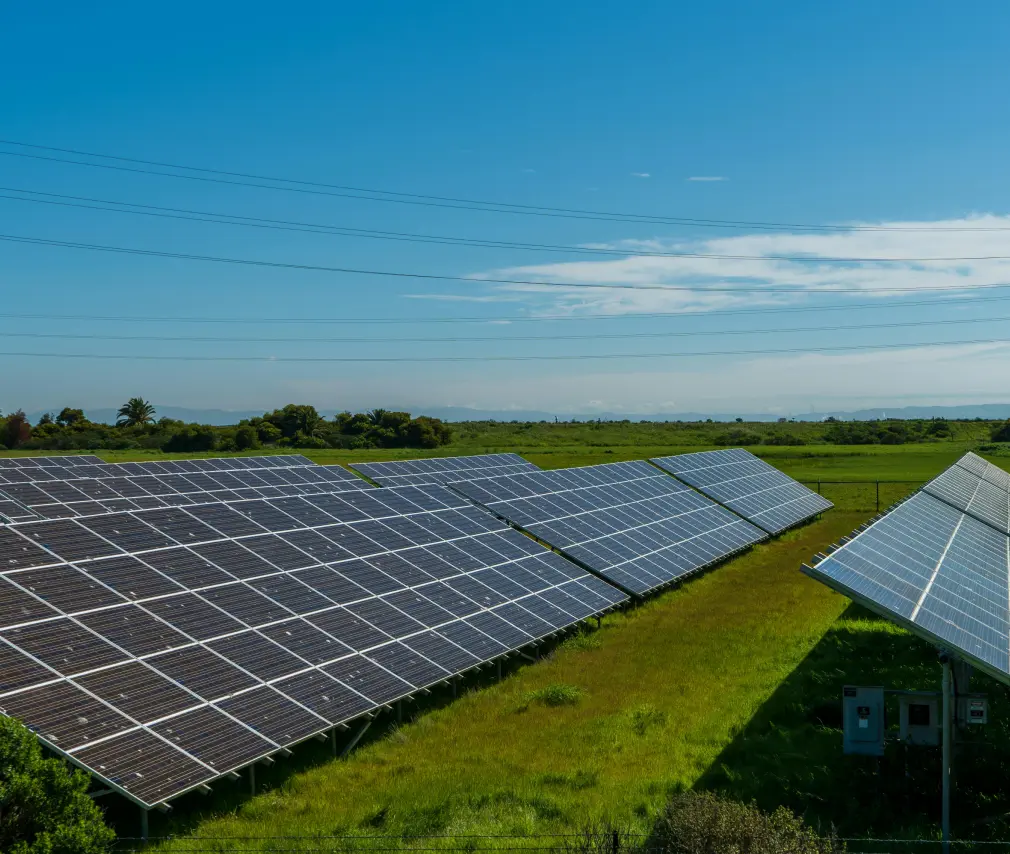
The shift to a green economy must be equitable. This includes recognising the vital role underrepresented groups play in climate adaptation, conservation, and sustainable livelihoods. Green transitions that do not centre on social inclusion risk deepening inequality, even as they aim to solve environmental crises.
Inclusive Circular Economy
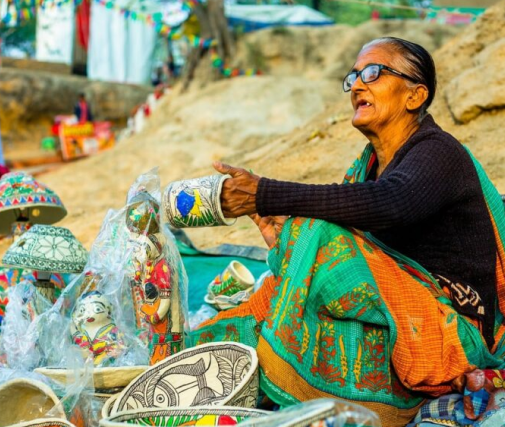
Circular economies thrive when built on diverse knowledge systems. Women and young people are often leaders in waste reduction and reuse, yet their contributions are frequently undervalued. Supporting inclusive participation in circular value chains enhances both environmental outcomes and community well-being
Includovate’s Approach
System change begins with those most affected. At Includovate, we use participatory and context-specific methods to understand barriers, generate evidence, and co-design solutions.
Our approach is:
Participatory:
Centring local voices, especially from marginalised groups
Evidence-based:
Informed by rigorous research and lived realities
Context-driven:
Reflecting the cultural, political, and environmental landscape
Transformative:
Aiming for lasting impact rooted in justice and inclusion
Includovate envisions ecosystems where sustainability and equity go hand in hand — and where no one is left behind.