Kristie Drucza and Alemi Desta
Addressing gender-based violence within technical agricultural training presented both challenges and opportunities. In this post, we reflect on what we learned from bringing discussions of violence, power, and gender inclusion into a fish feed training programme in Kenya, Zambia, and Nigeria.
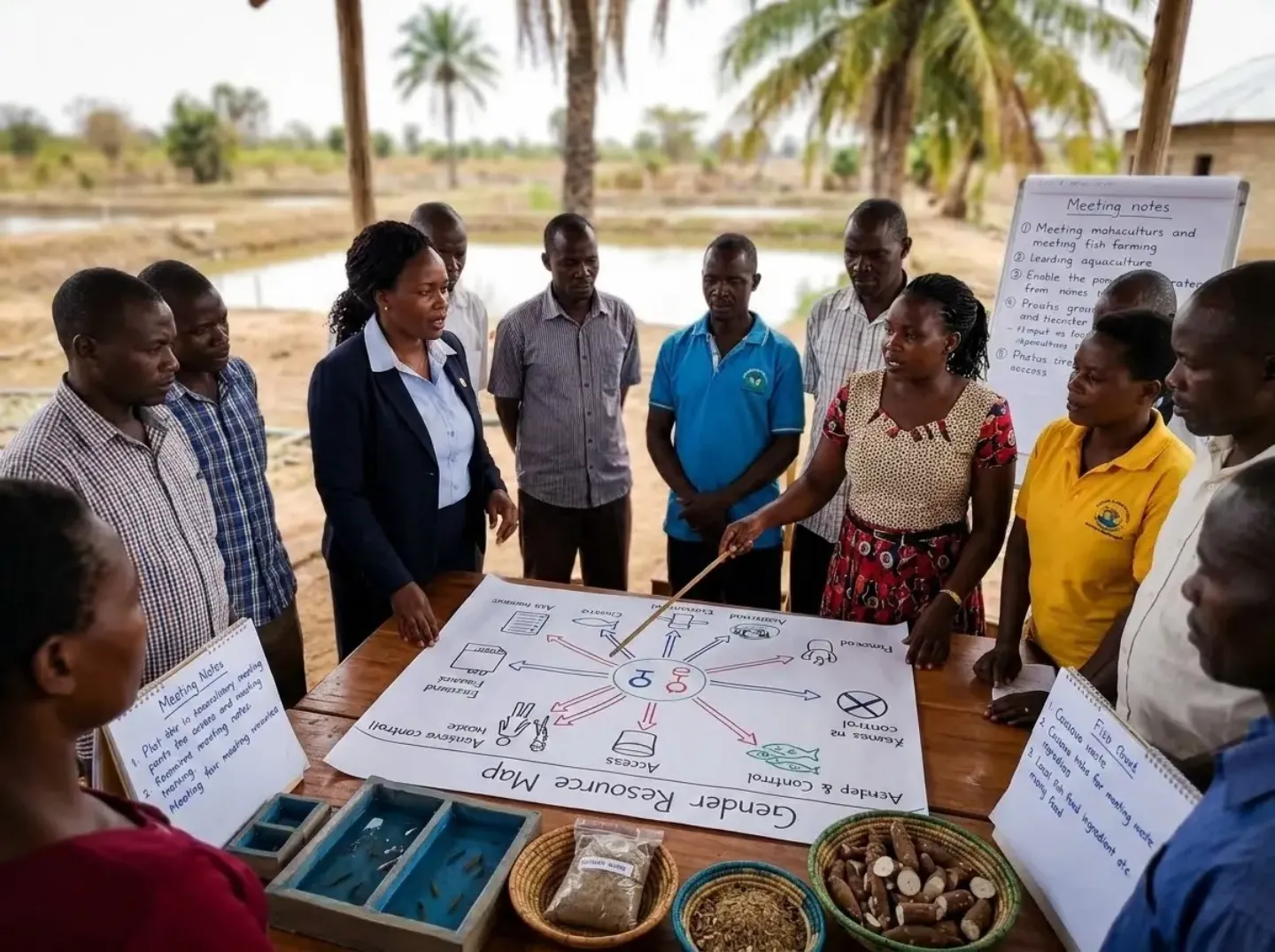
Between October 2025 and June 2026, we ran a Training of Trainers programme called Inclusive and Productive Aquaculture Ecosystems in the three countries. The programme formed part of FASA, a WorldFish-led project on sustainable fish feed. We deliberately left the word “gender” out of the training title. This was an intentional design choice. We wanted participants to enter the training through familiar concerns such as feed costs, household roles, resource use, and productivity, then explore how gender and power shape each issue in practice.
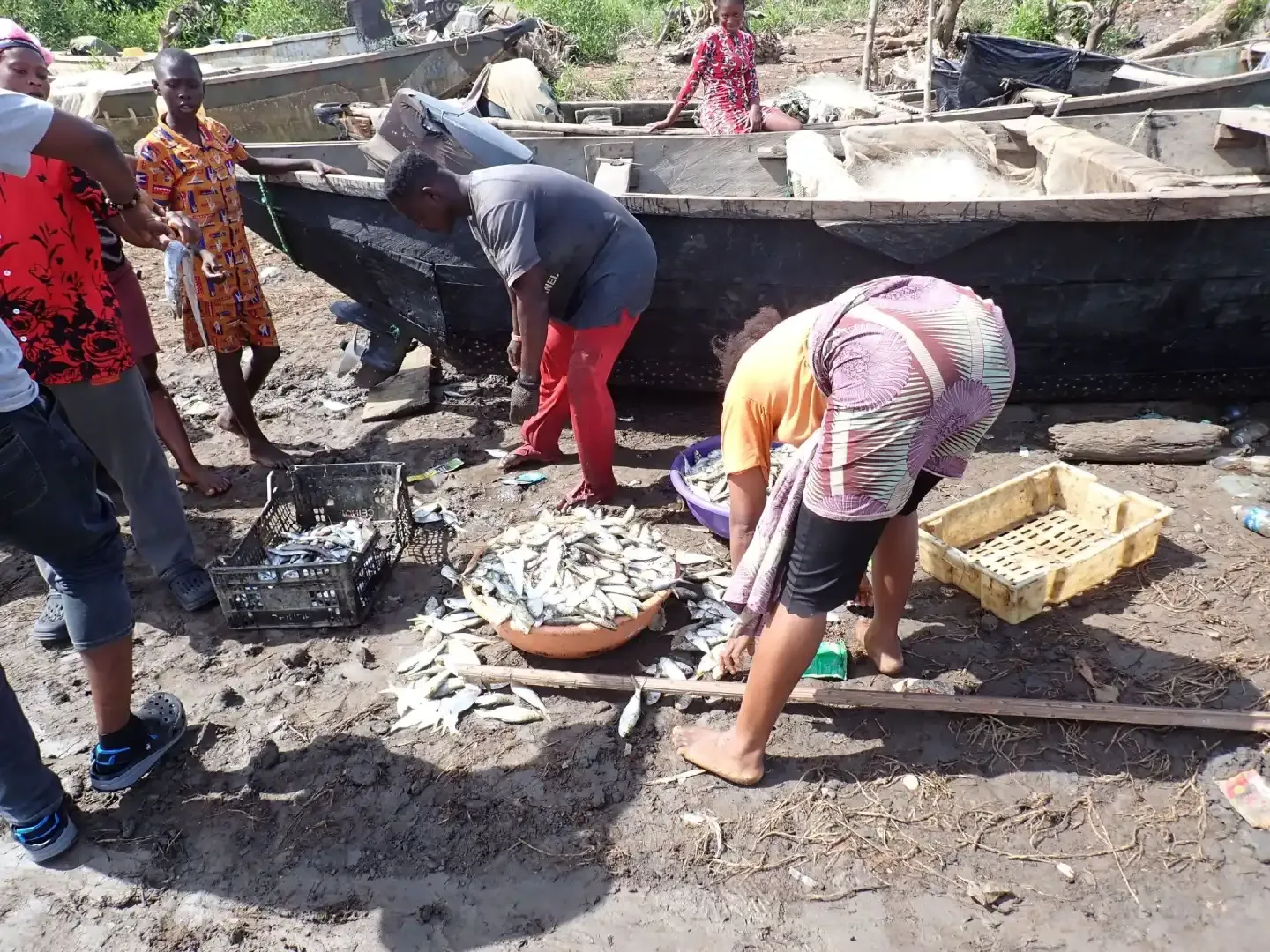
Participants included researchers, extension officers, cooperative members, feed millers and farmers. Over two days, we covered:
- The difference between gender and sex.
- Who controlled locally available feed ingredients.
- How excluding women, young people and new members from decisions weakened innovation.
- Men’s roles as allies.
- Joint household planning.
- How to facilitate inclusive discussions.
Participants were then expected to train others in their communities and organisations. Across the three countries, the stories and character names were adapted to reflect local contexts, while keeping the same core learning objectives around power, resource control, household decision-making, violence, male allyship and inclusive facilitation
The story
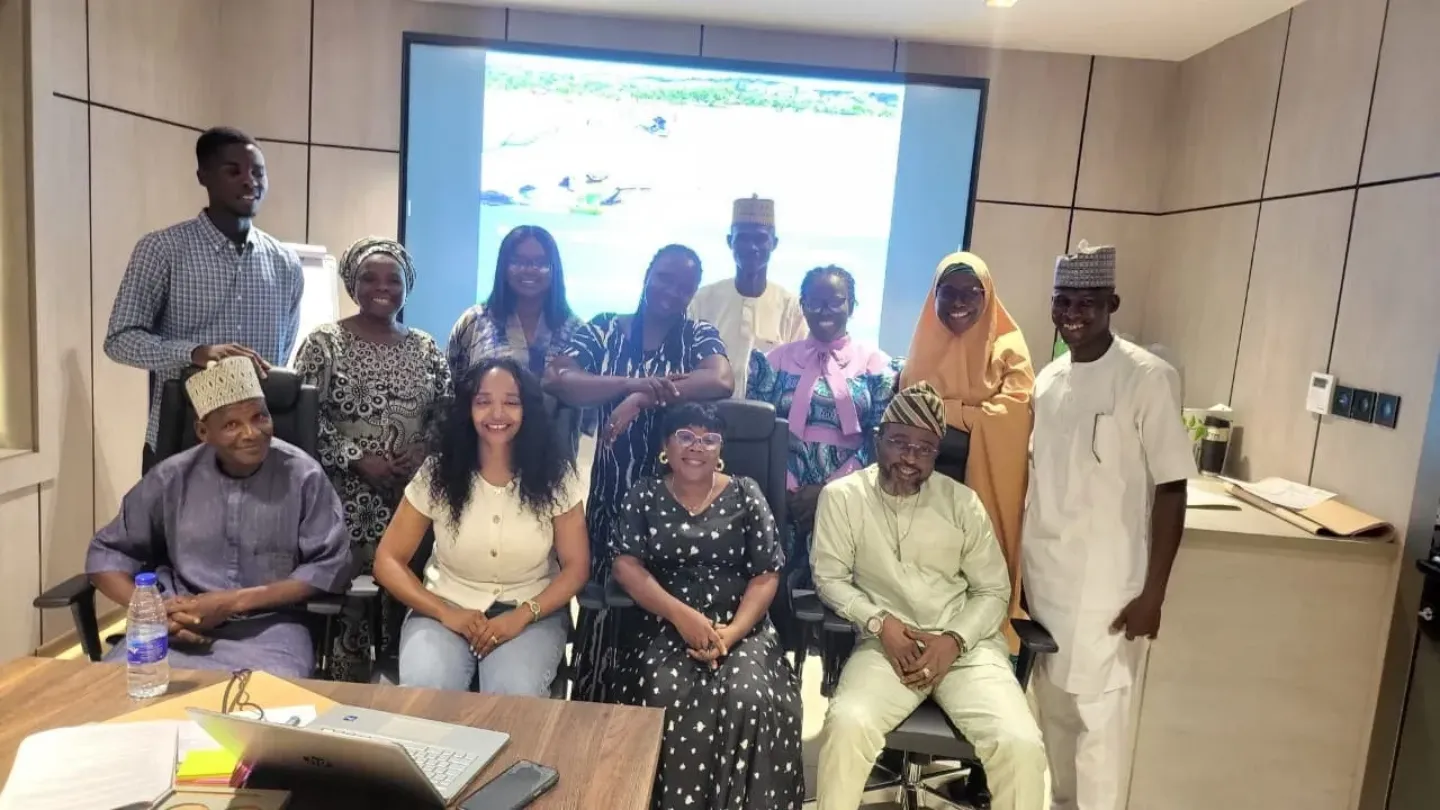
One session used two contrasting households to explore how cooperation, conflict and competition could help or hinder production.
In the first household, John and Favour shared domestic and farm work. Their cooperation let Favour attend training, test new feed ideas, and share what she learned. The household was peaceful, and the business grew.
In the second household, Amina tried to improve her fish feed using cassava waste. Her husband, Yusuf, and his brother wanted the waste for brewing and livestock, leaving her with scraps. When Amina proposed a different arrangement, Yusuf dismissed her and used violence against her. Hurt and frightened, she worked less and withdrew from the cooperative. The farm suffered.
After participants discussed the guiding questions, the facilitator drew out six messages:
- Shared responsibilities strengthened households and businesses.
- Competition over resources and male control could block women’s innovation.
- Gender-based violence had economic and emotional costs.
- Dismissive communication silenced women and could form part of escalating abuse.
- Communities needed safe spaces and trusted networks through which women could seek help.
- Respect and equity helped couples build stronger enterprises.
Why violence belonged in a feed training
Changing feed ingredients changed how households used resources. When control over those resources shifted, conflict could follow. Leaving violence out of a training about power over ingredients would have ignored one of the clearest ways that power was exercised. In the training, this connection was made through everyday questions: who controls locally available feed ingredients, who decides how they are used, who attends training, who keeps records, and whose knowledge is recognised as valid. These questions helped participants see that feed innovation is not only technical; it is also shaped by household relationships, gender norms and decision-making power.
The same thinking shaped the wider programme. In many rural communities where the trainers worked, explicit discussion of gender equality could end a conversation before it began. We therefore focused on inclusion and productivity rather than leading with the word “gender”.
The story followed the same approach. It began with familiar farm and household relationships and showed how violence harmed Amina, her household and the business. These connections gave participants a reason to keep talking. The story also asked them to consider whom someone like Amina could turn to for support, extending the discussion beyond the household to community responsibility.
From the facilitator’s perspective, using a fictional story also created a safer entry point into a sensitive conversation. Participants were able to discuss the characters, the choices made, the risks involved and the support systems needed, without being asked to disclose personal experiences
What the surveys and participants told us
Before and after the training, participants rated their agreement with statements on a five-point scale. Two statements concerned violence: “I understand how gender-based violence can impact aquaculture productivity” and “I understand how gender-based violence can harm women’s wellbeing.”
Agreement with the productivity statement rose in all three countries. Agreement with the wellbeing statement rose less, as it was already high before the training. This pattern suggested that participants already recognised the harm violence caused women. The story appeared to strengthen their understanding of its effects on the farm and the business.
One Nigerian participant named “gender equality and the household conflict” among the most useful topics. Nothing in the feedback indicated harm, although that absence did not establish that no one had experienced distress or faced risks after the session.
How our thinking on safeguarding changed
We had previously thought about safeguarding mainly in terms of staff behaviour, including codes of conduct, consent and confidentiality. Those remained important. Delivering the session also showed that safeguarding had to be understood as part of facilitation design. It was not only about staff conduct or consent procedures, but also about anticipating what a story might trigger in the room, how facilitators should respond, and what support participants might need after the session.
We considered the purpose of the story sound, but our reflection identified several risks in the conditions under which it could be delivered:
- Survivors could have been in the room. A story about a woman being hit could bring up a participant’s own experiences. The person who had used violence against them could also have been present. At farmer-level sessions, couples could have attended together.
- The guidance did not cover disclosure. The story asked participants to consider support for survivors, but it did not tell facilitators how to respond if someone disclosed violence during the session.
- The communication message could be misread. Respectful communication was a useful message, but careless delivery could imply that better communication would have prevented the violence. This risked leaving women feeling responsible for avoiding abuse.
- Wording mattered. We needed to remove any phrasing that presented violence as a mutual quarrel.
- Passing the training on widened the risk. Newly trained facilitators were expected to deliver the session with less preparation than we had received. Some worked in places without support services.
These concerns led us to recognise that the training needed stronger safeguards.
Keeping the conversation safe
Dropping the topic would have been the easiest option for trainers, but it would not have addressed the risks facing the women the training was intended to support. Our aim was to retain Amina’s story without increasing the risks participants already faced.
The changes we identified
We identified five changes needed before further delivery:
- Retain the story and its six messages, while making clear in the debrief that responsibility for violence rested with the person who used it.
- Begin with a content note, ask participants to discuss Amina and Yusuf rather than their own lives, and explain that they could remain silent or step out.
- Provide facilitators with a locally verified referral sheet and prepare them to respond to disclosures. This preparation should cover listening, believing the person, avoiding pressure for details, sharing options privately, and not attempting to mediate between partners.
- Avoid follow-up tasks that asked women to raise these issues with their partners at home.
- Require community trainers to complete specific preparation before delivering the session, or to deliver it alongside local services that responded to violence.
Conclusion
Our experience highlighted the need to balance meaningful discussion with participant safety when addressing gender-based violence in agricultural extension work. Grounding the discussion in everyday farm relationships appeared to help participants connect violence with aquaculture productivity. That connection alone, however, was not enough.
We recognised that the training also needed clearer messages about responsibility for violence, preparation for handling disclosures and safeguards that remained in place as the training passed from one facilitator to another. Keeping the conversation mattered, but so did the conditions under which it took place.