
Dr Kristie Drucza
We often do not think about role models in international development work. Role models are often treated as soft extras, something nice to have alongside the “real” work of services, incentives, infrastructure or policy. The evidence suggests otherwise. Exposure to people who embody a different future can shift aspirations, educational effort, gender norms and life choices, especially when those role models are seen as credible, proximate and relevant (Beaman et al., 2012; Riley, 2024; Jensen and Oster, 2009).
This matters because many development problems are not only about resources or rules. They are also about what people believe is possible for someone like them. When girls, parents, or communities repeatedly see leadership, success, or autonomy coded as male, elite, or urban, expectations narrow. When policy, media, or deliberate public action make different possibilities visible, behaviour can also change (Beaman et al., 2012; Jensen and Oster, 2009).
What the evidence shows
One of the clearest examples comes from India. Beaman et al. studied the 1993 constitutional amendment that randomly reserved one-third of village council leader positions for women in randomly selected councils, creating a natural experiment in exposure to female political leaders (Beaman et al., 2012). After two election cycles with a female leader, the gender gap in parents’ aspirations for their adolescent children closed by 20 per cent, the gap in adolescents’ own aspirations closed by 32 per cent, the gender gap in adolescent educational attainment disappeared, and girls spent less time on household chores (Beaman et al., 2012). The authors found no evidence of changes in local labour market opportunities, suggesting that the effects operated through a role-model channel rather than through changes in labour market returns (Beaman et al., 2012).
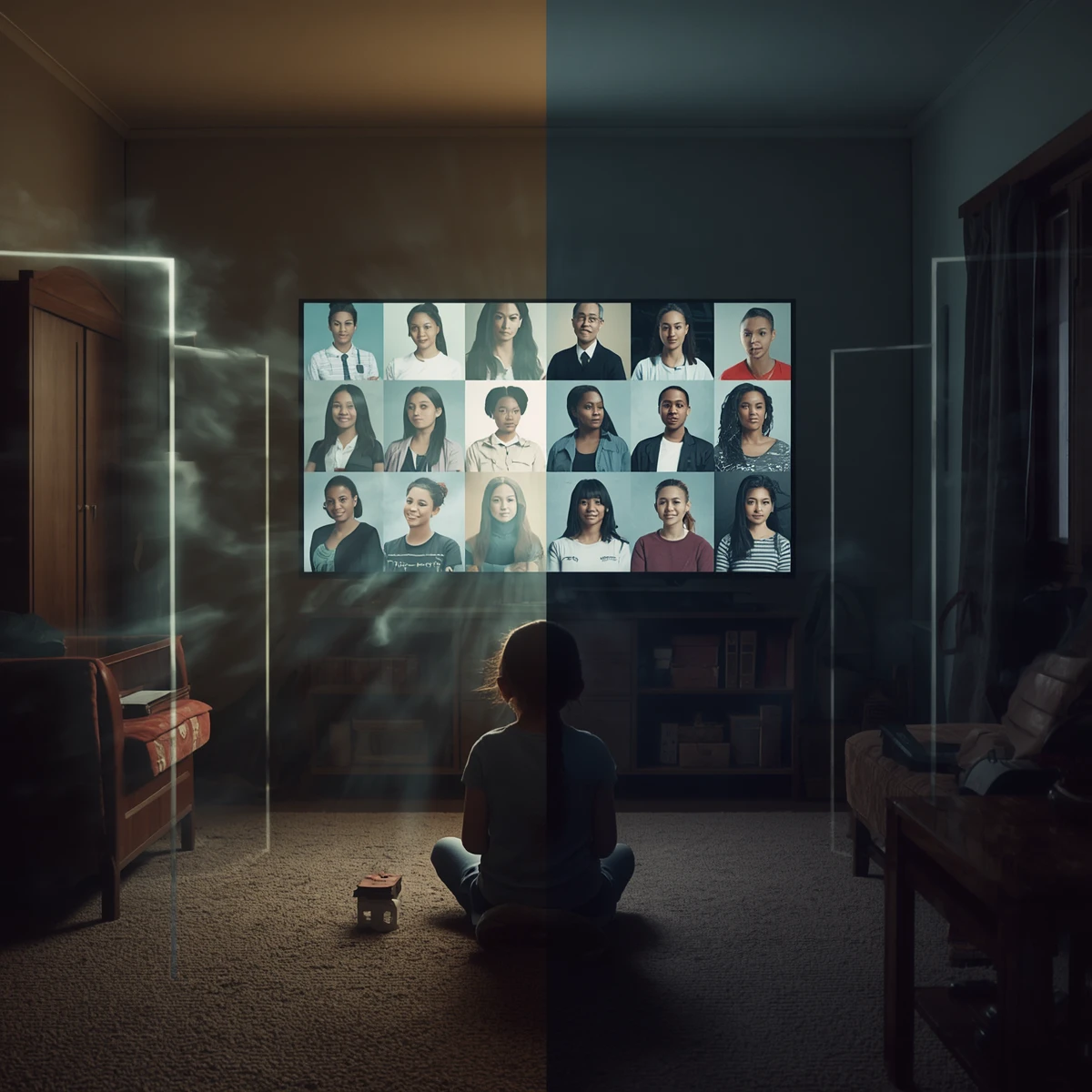
A newer study from Uganda shows that the same mechanism can be activated through the media. Riley randomised secondary school students to watch either Queen of Katwe, a film about a Ugandan girl from a poor background who becomes a chess champion, or a placebo film just before national exams (Riley, 2024). Lower secondary students who watched the role-model film were less likely to fail maths; upper secondary students performed better overall; and girls were more likely to remain in education in later years, closing the gender gap with boys (Riley, 2024).
An older but still influential paper by Jensen and Oster reaches a similar conclusion through a different route. Exploiting the staggered rollout of cable television in rural India, they found that exposure to outside media reduced the reported acceptability of domestic violence and son preference, increased women’s autonomy and reduced fertility (Jensen and Oster, 2009). The changes were large and fast, suggesting that media can shift norms by widening the set of lives people see as normal or desirable (Jensen and Oster, 2009).
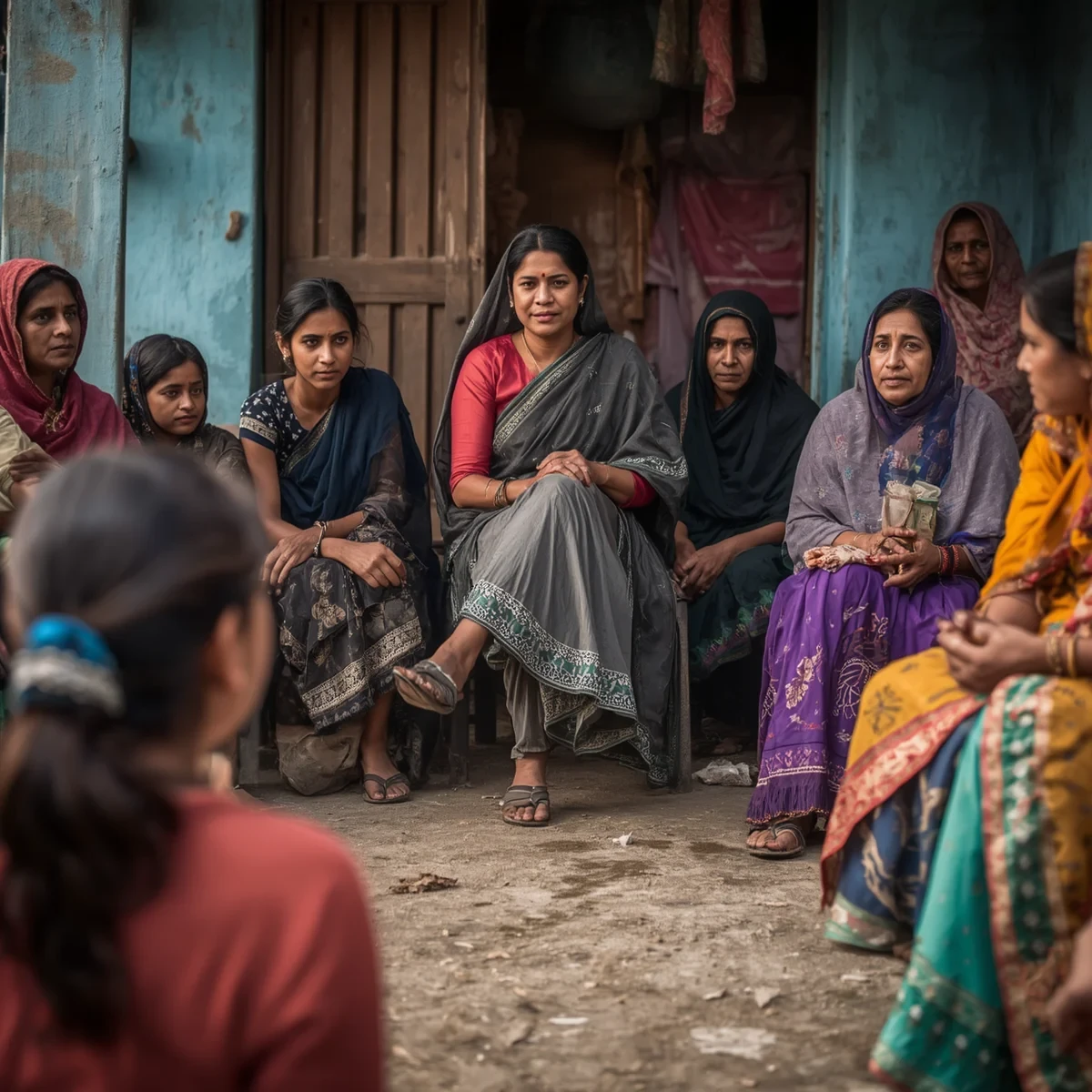
In qualitative work I have been part of in Oromia, Ethiopia, we saw similar patterns from a very different angle. Women often described their own shifts in agency beginning not with a workshop or a new policy, but with watching a neighbour quietly do something that had felt off limits, such as speaking up in a meeting, going to market alone, or insisting a daughter stay in school (Drucza et al., 2021). Those local examples did not look like glossy “success stories”, but they created space in people’s minds for different choices and slowly loosened what was seen as acceptable in their communities.
Why this works
The common thread across these studies is not inspiration in the vague motivational sense. It is a social possibility. Female leaders in local government, a Ugandan girl succeeding on screen, or television showing different household dynamics can all make previously unthinkable futures easier to imagine and therefore easier to pursue (Beaman et al., 2012; Riley, 2024; Jensen and Oster, 2009).
This helps explain why role model effects often appear even when material conditions have not yet changed. In the Beaman et al. study, local labour market opportunities for young women did not improve, yet girls’ aspirations and educational attainment still rose (Beaman et al., 2012). That is important because it shows that expectations are not simply passive reflections of current opportunities. Expectations can move first, and behaviour can follow (Beaman et al., 2012; Riley, 2024).
Role models also work best when they are legible to the audience. The women leaders in India were not distant celebrities. The protagonist of Queen of Katwe was a Ugandan girl from a poor background. Cable television in rural India exposed viewers to lifestyles and gender relations that felt socially nearer than abstract advocacy messages often do (Beaman et al., 2012; Riley, 2024; Jensen and Oster, 2009). People do not only need success stories. They need believable pathways.
What this means for development practice
The policy lesson is straightforward. Role models are not a side issue. They can be built into development strategy through affirmative action, deliberate promotion, leadership visibility and advocacy campaigns (Beaman et al., 2012; Riley, 2024; Jensen and Oster, 2009). Quotas can matter not only because they change who holds power, but also because they change who is seen as capable of holding power (Beaman et al., 2012). Media and storytelling can matter not only because they spread information, but because they reshape norms and aspirations (Riley, 2024; Jensen and Oster, 2009).
This does not mean representation alone is enough. Material barriers still matter, and role model effects are not a substitute for decent services, safety, income or institutional reform (Jensen and Oster, 2009). But the evidence suggests they are far more than symbolic. They can change educational choices, household expectations and gender norms in ways that formal programmes often struggle to achieve (Beaman et al., 2012; Riley, 2024; Jensen and Oster, 2009).
For practitioners, the implication is to take visibility seriously. Who gets platformed, who is seen leading, whose story is told, and whose success is framed as ordinary rather than exceptional are all design questions, not communications afterthoughts (Beaman et al., 2012; Riley, 2024). If development is about expanding what people can do and be, then part of the job is expanding what people can imagine for themselves and for others (Beaman et al., 2012; Jensen and Oster, 2009).
What about the creamy layer?
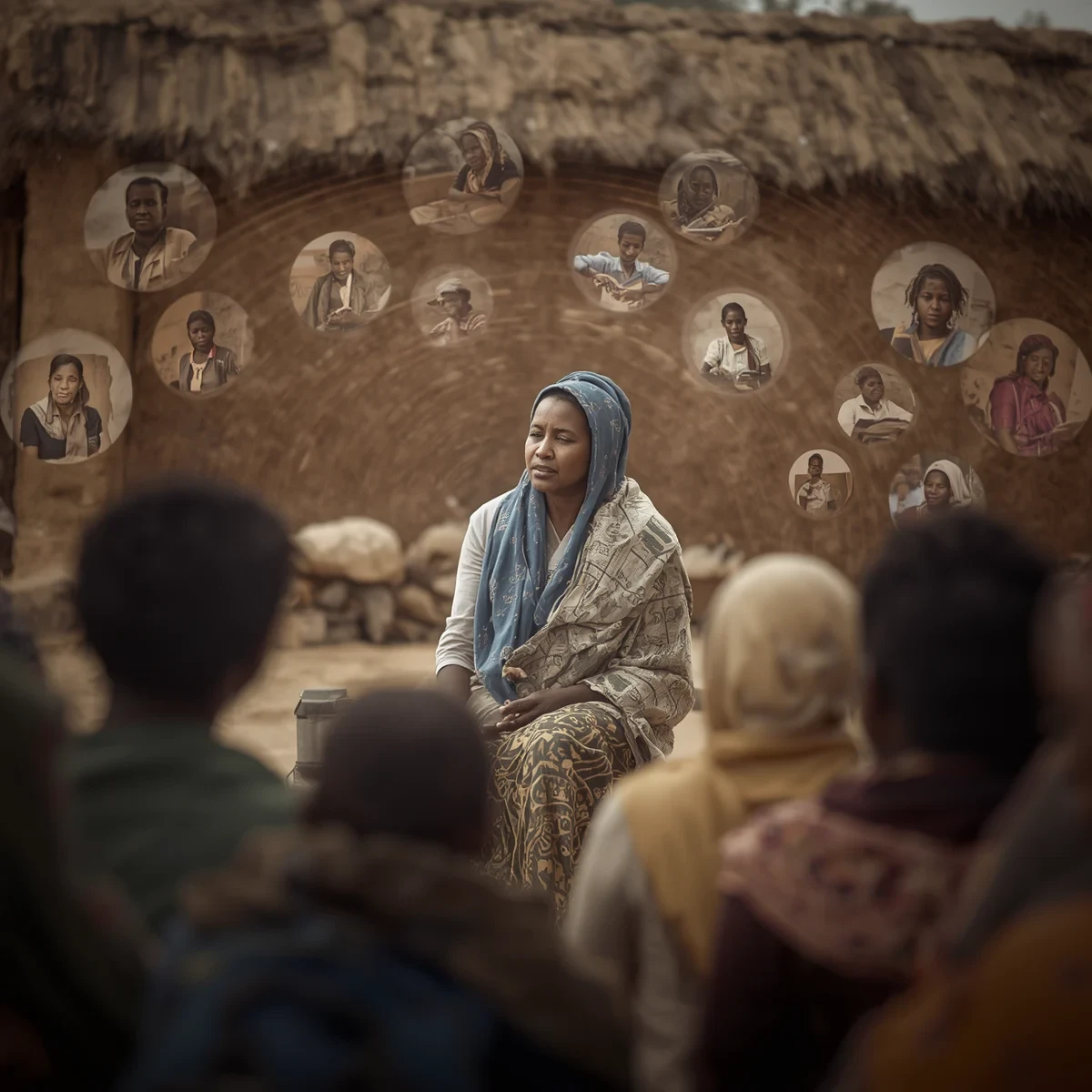
In my own research on affirmative action in Nepal, I have seen how debates about the so-called “creamy layer” can be used to attack quotas or to misunderstand what success looks like (Drucza, 2016). Critics worry that affirmative action mainly benefits the better off within excluded groups, and that this proves the policy has failed. Yet the presence of a small, more educated “creamy layer” can also indicate that doors are finally starting to open and that some people from historically excluded communities are gaining experience, visibility, and credibility within the state. The real problem is not that a creamy layer exists, but that programmes often stop there, instead of combining quotas with longer-term investment in education, mentoring and workplace change so that more people can follow.
The broader point
Across affirmative action, film and television, the pattern is strikingly consistent. Role models can shift aspirations, close gender gaps, and loosen restrictive social norms (Beaman et al., 2012; Riley, 2024; Jensen and Oster, 2009). That does not happen by magic. It happens because public visibility changes the boundaries of the possible. It changes what is normal.
That is why role models, whether advanced through quotas, deliberate promotion or advocacy campaigns, deserve to be taken seriously as part of how change happens. They do not replace structural reform. They help make reform socially imaginable, politically acceptable and personally actionable (Beaman et al., 2012; Riley, 2024; Jensen and Oster, 2009).
References
Beaman, L., Duflo, E., Pande, R. and Topalova, P. (2012) ‘Female leadership raises aspirations and educational attainment for girls: A policy experiment in India’, Science, 335(6068), pp. 582-586. Available at: https://www.science.org/doi/10.1126/science.1212382 (Accessed: 31 May 2026).
Drucza, K. (2016) ‘Talking about inclusion: Attitudes and affirmative action in Nepal’, Development Policy Review, 34(6), pp. 747–770
Drucza, K., Aregu, L. and Tsegaye, M. (2021) ‘Agency, gender and development in Oromia, Ethiopia’, Cadernos de Estudos Africanos, 41, pp. 15–75
Jensen, R. and Oster, E. (2009) ‘The power of TV: Cable television and women’s status in India’, The Quarterly Journal of Economics, 124(3), pp. 1057-1094. Available at: https://academic.oup.com/qje/article/124/3/1057/1905111 (Accessed: 31 May 2026).Riley, E. (2024) ‘Role models in movies: The impact of Queen of Katwe on students’ educational attainment’, The Review of Economics and Statistics, 106(2), pp. 334-351. Available at: https://direct.mit.edu/rest/article/106/2/334/109267/Role-Models-in-Movies-The-Impact-of-Queen-of-Katwe (Accessed: 31 May 2026).