
Education as a Buffer—but for Whom?
Using nationally representative data, I studied how an additional year of education affected people’s wages before and during the pandemic. I used two methods:
-Basic comparison – the straightforward link between schooling and income.
-Controlled analysis – filtering out other factors such as family background.
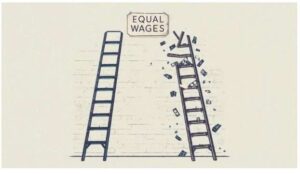
The results were clear: each extra year of schooling consistently raised wages. What’s more, the returns to education nearly tripled during the pandemic—rising from around 7% in 2019 to nearly 20% in 2021. In practice, this meant that workers with higher levels of education fared significantly better. When factories closed and service jobs evaporated, less-educated workers were hardest hit. By contrast, those with university degrees often pivoted to online teaching, remote office work, or digital services. Education acted like a shield. It did not stop the storm, but it gave people a stronger boat to ride out the storm.
The Gender Gap in Returns to Education
Education’s protective power was not shared equally. The divide between men and women was striking.
-Men: consistently gained higher wage returns from each additional year of schooling.
-Women: saw weaker and often statistically insignificant returns—except in 2021, when their payoff finally became meaningful.
 Why? Cambodian women remain concentrated in lower-paying, less secure sectors, such as garment work, retail, and care, industries that lockdowns have hit the hardest. Men, meanwhile, dominate higher-paying sectors such as construction, technology, and public administration.
Social norms, unequal professional networks, and caregiving duties further limited women’s ability to translate education into income. Education helped, but alone it was not enough to overcome entrenched inequality.
Implications for Inclusive Development
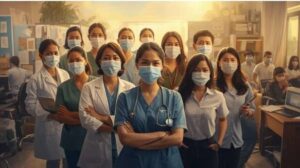 Education alone cannot erase structural barriers. Cambodia has made significant progress in school enrollment; however, persistent inequalities continue to hinder women from leveraging their education to achieve economic empowerment.
What needs to change?
Government: enforce equal pay laws, integrate digital literacy and gender-sensitive curricula, and expand childcare and family leave.
Intersectionality: Understand which types of women are struggling the most to turn education into economic benefits.
Employers: build job-skills programmes for the most excluded women, create flexible work arrangements, and ensure fair promotion practices.
Communities: support girls to stay in school and pursue careers that align with their passions, even in fields dominated by men.
NGOs & Development Partners: tailor programmes to rural realities, provide childcare, mentorship, and digital training.
Crisis Recovery: ensure post-COVID recovery is gender-responsive and measures success by women’s labour outcomes.
Final Thoughts: Education as Shared Resilience
At Includovate, research must centre on the most excluded. My findings underscore a harsh reality: education remains a powerful force for resilience, but only if society enables it to benefit everyone. The pandemic magnified Cambodia’s inequalities. As we move forward, we must ask:
1.Who does our education system truly serve?
2.Who is left behind, even after “doing everything right”?
3.What must change so that education liberates not just men, but all Cambodians?
Only by addressing these questions through inclusive, evidence-based action can Cambodia build a recovery that is fair, resilient, and sustainable.