
What is Photovoice? More Than Just Pictures
At its core, Photovoice is a community-based participatory research (CBPR) method that equips individuals with cameras to capture images reflecting their daily lives. Yet, it is far more than just taking photos. Rather, it is about combining photography with storytelling, encouraging participants to discuss and analyse their images, and ultimately to advocate for change.

As described by Castleden et al. (2008), CBPR aims to “develop culturally relevant research models that address issues of injustice, inequality, and exploitation.” In other words, this method fundamentally shifts power dynamics, allowing participants to “co-create new knowledge alongside researchers,” thereby ensuring their voices are central to understanding and addressing their unique challenges.
Understanding the foundations of Photovoice leads us naturally to explore how these principles are translated into practice through the research journey.
The Photovoice Research Journey
The research journey looks slightly different in all studies, but in general, it involves several key steps:
Recruitment: In a photovoice study, the participants are the photographers – and the analysts. Specific measures should be taken to recruit the young photographers, and this often requires informed consent from their parents if they are under 18 years of age.
Training and Orientation: Participants receive hands-on training in mobile phone photography and, crucially, in ethical documentation practices, including informed consent and confidentiality. At the same time, they actively shape the research, deciding on research areas, photo frequency, and study duration.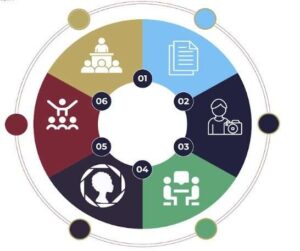
Photo Collection: Over a period ranging from one day to four weeks, participants use their mobile phones to capture images reflecting barriers (e.g., to education, employment, menstrual health, clean water), community strengths, and personal aspirations. To maintain engagement, dedicated WhatsApp groups facilitate ongoing communication, logistical support, and weekly check-ins with facilitators.
Midpoint Reflection Sessions: Facilitated group discussions allow participants to reflect on their photos, share insights, and collaboratively analyse emerging patterns. Consequently, this leads to the co-refinement of research questions, ensuring they are deeply rooted in their lived experiences.
Final Selection and Presentation: Participants select their most representative photos, crafting narratives and captions to accompany them. In this way, these images and stories become the core of the findings, directly reflecting the youth’s perspectives.
Data Analysis and Exhibition: The photographs, captions, and group discussions are rigorously analysed to identify recurring themes, with a strong focus on gender-specific challenges, social and structural barriers, and opportunities for community improvement. Finally, an exhibition showcases these powerful stories to stakeholders and policymakers for wider dissemination.
From these steps, we see how Photovoice not only empowers participants but also reveals subtle realities. The outcomes of the research demonstrate just how effective this approach can be in uncovering lived experiences.
Novel Findings from Photovoice: Unveiling Nuance and Overcoming Challenges
The Photovoice methodology proved incredibly effective in revealing nuanced insights that might otherwise be overlooked. Specifically, here are some of the novel and compelling findings from our research:
Invisible Barriers for Students with Disabilities: The photos uniquely capture the profound challenges faced by students with physical disabilities. For example, they reveal inaccessible infrastructure in Jordanian schools—such as the lack of ramps, unsuitable desks, and unclean restrooms—as well as the emotional toll of bullying, which actively discourages these students from continuing their education.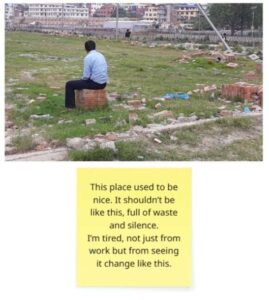
The Gendered Nature of “Protection”: The research offers a compelling look at how societal “protective instincts” disproportionately restrict girls. Although these measures are aimed at safety, they often translate into confinement to domestic spaces, limiting educational and developmental opportunities. In contrast, boys are perceived as self-reliant and independent, highlighting a stark double standard.
Menstrual Health Fear: The photos portray the fear adolescent girls feel about staining school seats when menstruating. This fear, steeped in intense stigma and gossip associated with visible menstrual blood, shapes daily experiences, leading to discomfort, shame, and social exclusion.
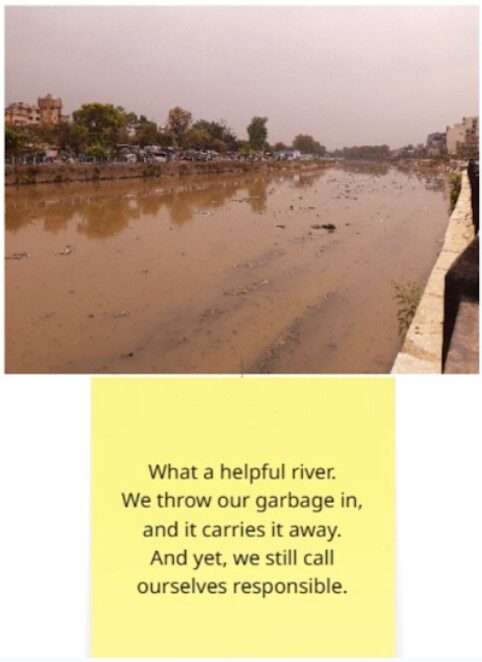
Disappointment and Future Concern: Participants expressed guilt, helplessness, concern, and fear of disease, demonstrating personal ties to the river’s degradation. Moreover, they voiced a strong sense of letdown concerning the lack of responsibility and care that has led to such deterioration since their grandparents’ generation. Looking ahead, there was particular concern for the future.
These findings have important implications for how we address gaps in understanding and support for marginalised youth. As we consider the impact of these insights, it becomes evident that Photovoice offers more than just data—it inspires action and change.
 Conclusion
By putting cameras into the hands of youth, Photovoice not only documents their challenges but also amplifies their agency. Ultimately, the rich, qualitative data—grounded in their personal experiences—provide invaluable insights for policymakers, educators, and NGOs striving to create more inclusive and equitable futures for marginalised youth. Therefore, their photographs and narratives are not just data; they are powerful calls to action, urging us to capture moments, shape futures, and challenge norms.
To learn more about Includovate’s use of the photovoice method, watch [ here.]