
In today’s world, fostering safe spaces for meaningful interaction and collaboration is more important than ever. Psychological safety has become a buzzword and a demand. A safe space provides an environment where individuals can express themselves freely without fear of judgment, criticism, or discrimination. A safe space is more than just a location; it’s a feeling. It is particularly vital for those who have experienced discrimination, harassment, or abuse, as speaking out can be incredibly daunting. At Includovate, we design inclusive research that fosters genuine mutual learning. But if we don’t make the right effort, then excluded groups may not speak, even if they show up. A Safe Space suggests an environment that is fully secure and free from harm, judgment, or exclusion—an ideal or goal where participants can feel completely accepted and protected. But is that really possible?
What we want by establishing a safe space is to encourage self-reflection and active listening. We want participants to understand how their beliefs and positions of power can influence others, and to create a space where people who are different to them, and hold different views, can also speak and be heard. Using the term Safer Space seems more accurate.
Calling it a safer space acknowledges that absolute safety might not always be possible or realistic (people will always disagree), but ongoing efforts are made to make the space as safe and inclusive as possible. This terminology can reduce pressure on facilitators and participants and foster openness to feedback and growth. It highlights a process of continual reflection, learning, and improvement rather than a fixed state.
Using “safer space” can be more inclusive and humble, recognising that challenges and mistakes can occur, but the group is committed to minimising harm and addressing issues as they arise. Meanwhile, a “safe space” serves as a strong aspirational ideal.
Creating Safer Spaces
Some tips on creating safer spaces appear below and equally apply to training programs, workshops, or other events with diverse participants.
1-Power, Privilege, Attitudes, and Beliefs
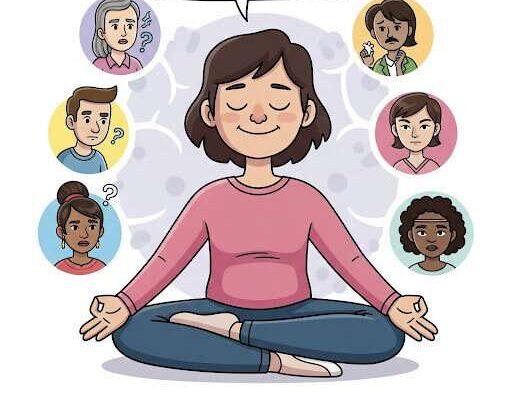
Being aware of your power, privilege, attitudes, and beliefs is crucial. This involves reflecting on what shapes your values and experiences, especially concerning social identities and systems of oppression. It’s important to understand that “the personal is political” and ensure marginalised individuals are not blamed for systemic issues, while also acknowledging your politics and privilege. You should check your judgments, avoid assumptions, and recognise your role in others’ oppression. Check in with yourself before any facilitation to understand how you are feeling. Ground yourself in the present and identify which types of people may find the session you are facilitating the hardest. Be mindful of them and anyone who is quiet. Sit with these people during breaks and give them extra smiles while facilitating.
2.Time and Space
When planning an event, choose safe and welcoming venues, ensuring they are in secure areas with contingency plans. Offer quiet spaces and childcare to boost participation, and prepare accessible emergency plans. Arrange seating to avoid power imbalances, like using circles, and use gender-neutral language while collecting diverse gender information in surveys to ensure inclusivity. Let people leave if they have things they need to complete, even if your session hasn’t finished.
3.Reasonable Accommodation
Understand your duty to ensure access for people with disabilities, and implement systems to know individual support needs. Touch base with anyone with a disability before the event to see if they need any accommodations (your registration sheet should have a question about this). It’s crucial to budget for accessibility, comply with all accessibility standards, and ensure that safety measures do not compromise accessibility.
4.Registration, Confidentiality and Privacy
Actively pursue participants’ consent to participate in the workshop, ideally before the event but also on the day. Remember to include gender, age, place of birth, mother tongue and disability on your participant registration list. To maintain confidentiality, adhere to policies and legal requirements for data protection (e.g. protect and keep safe your participant list). Build trust so people feel safe sharing information, never speak for others without consent, and ensure anyone handling private data understands its importance.
5.Meaningful Dialogue
To promote meaningful dialogue, prioritise empathy, use inclusive language, and be flexible to ensure equal participation. Respect all forms of communication and ensure all working spaces are welcoming and accessible. Actively listen to what participants say by repeating their statements using their words. Ask if there is anything else they want to add. Encourage people in the group to ask each other questions, without always going through the facilitator.
6.Be trauma-informed

Be ready to handle strong emotions during discussions and keep an updated list of local support services, like psycho-social support and medical centres. This is especially important if discussing issues of violence and abuse, but any conversation on exclusion can trigger strong emotional responses.
7.Ensure Safe Feedback Mechanisms

To ensure safe feedback, create trusted and diverse channels (including multiple languages), address safety concerns quickly, and proactively seek input from those who might hesitate to speak. This may mean asking people to write feedback on paper without their name, or sending them an anonymous survey after the event, or including a box on your facilitator table for questions that people do not want to ask publicly.
Conclusion
Creating safe spaces is an ongoing process that requires mindfulness, sensitivity, and a genuine commitment to inclusion. By following these considerations, you can help foster environments where everyone feels respected, valued, and empowered. This will lead to more enjoyable and inclusive workshops, with better outcomes and results.